QURNAWI
— Returning to El-Khokha
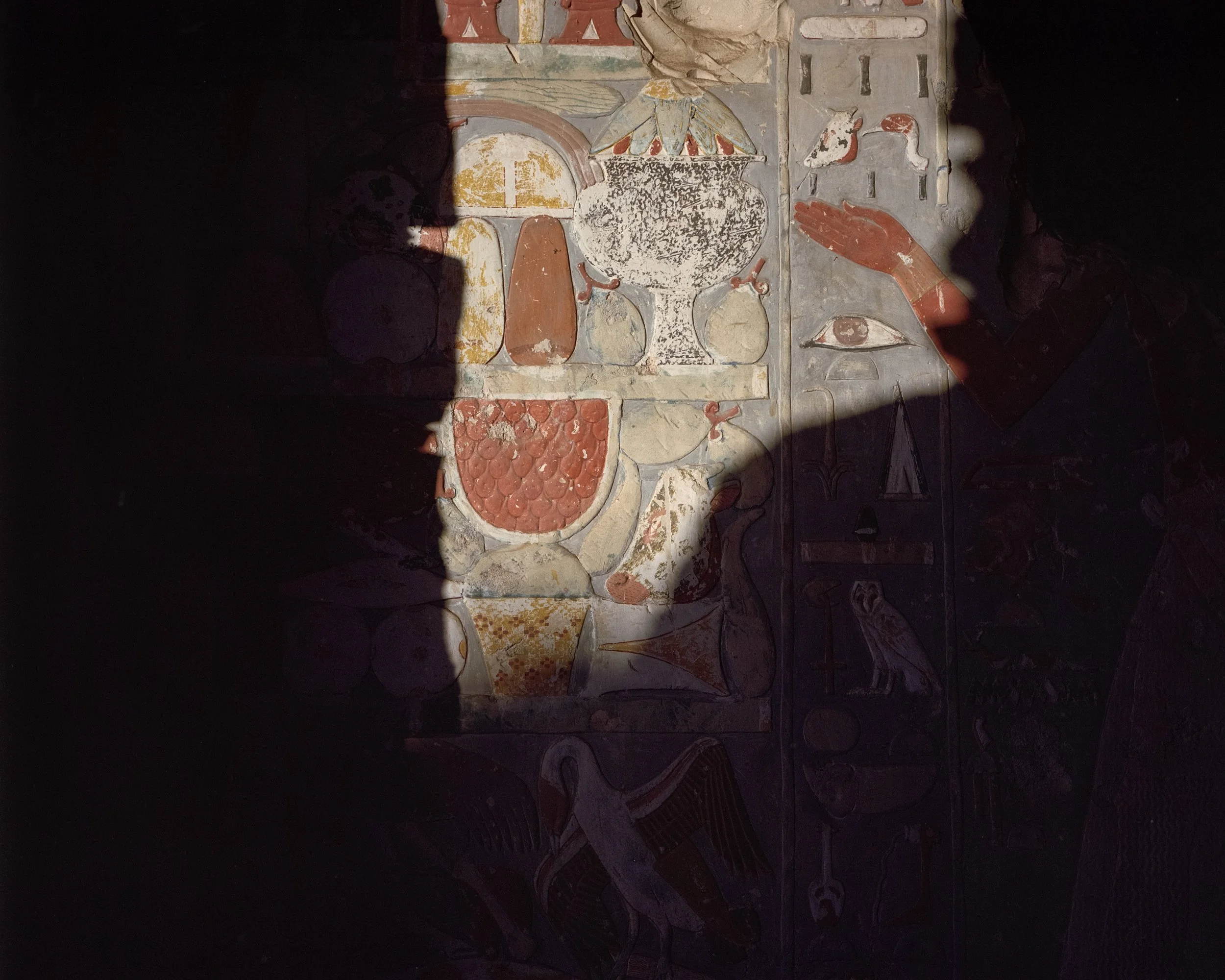
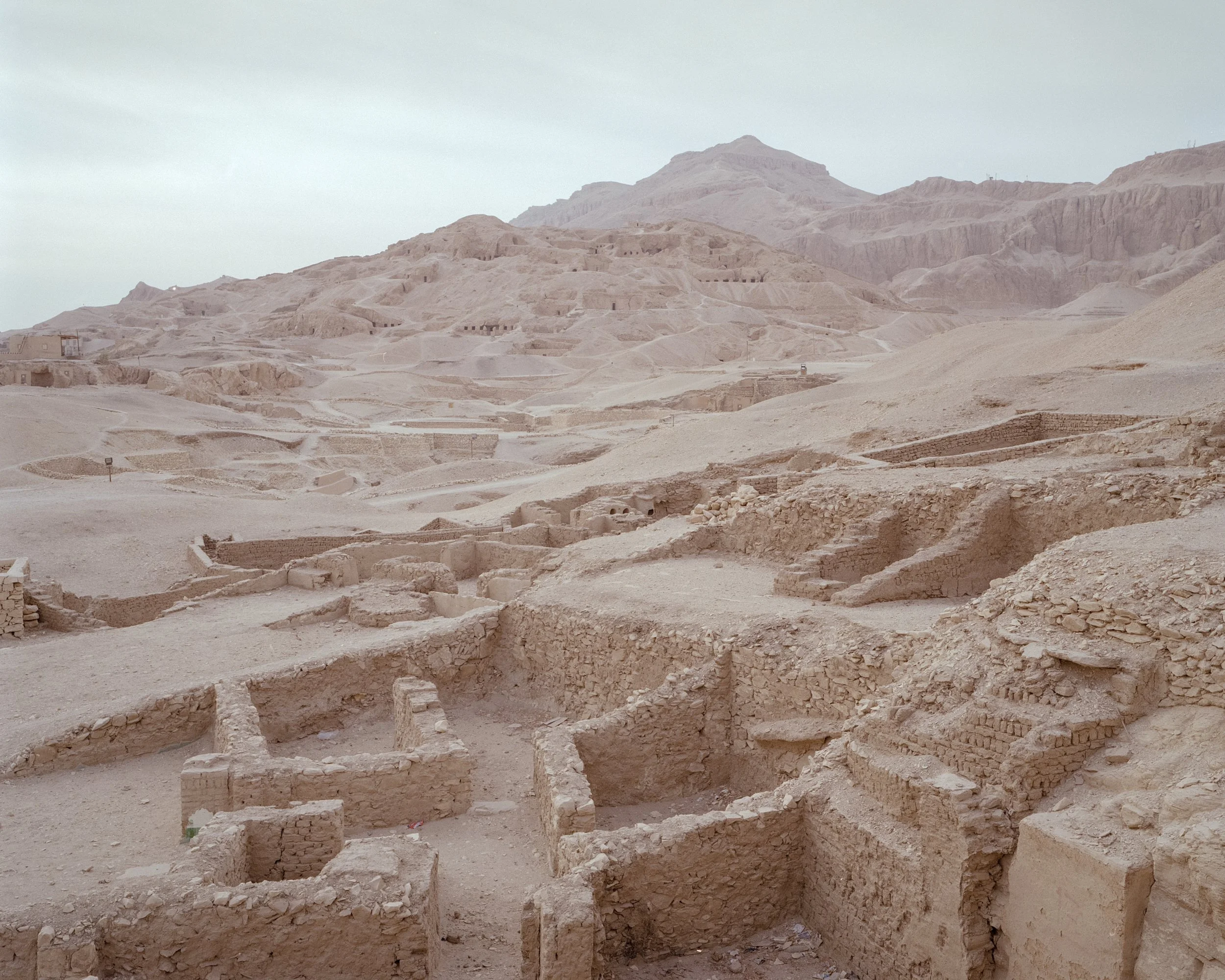
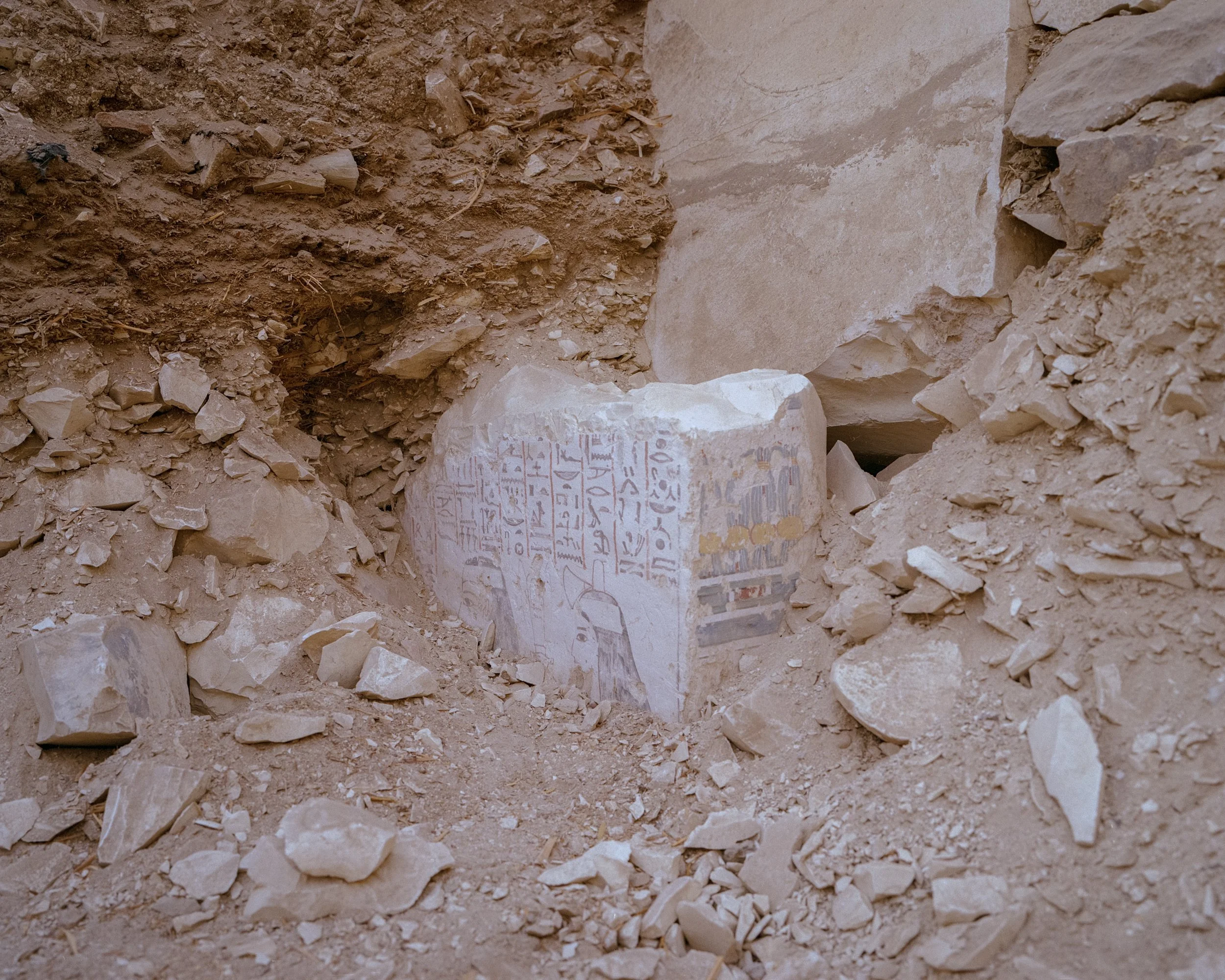
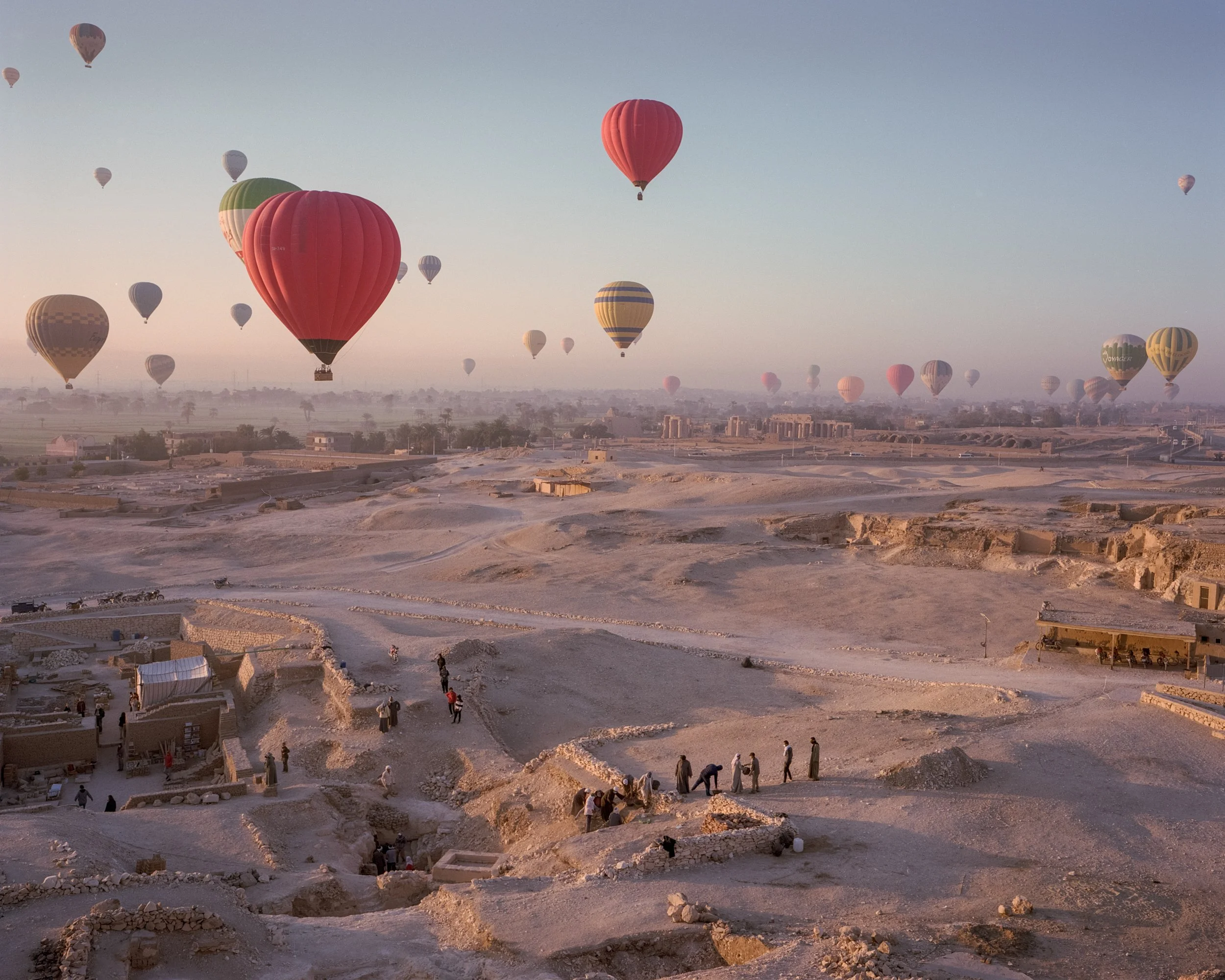
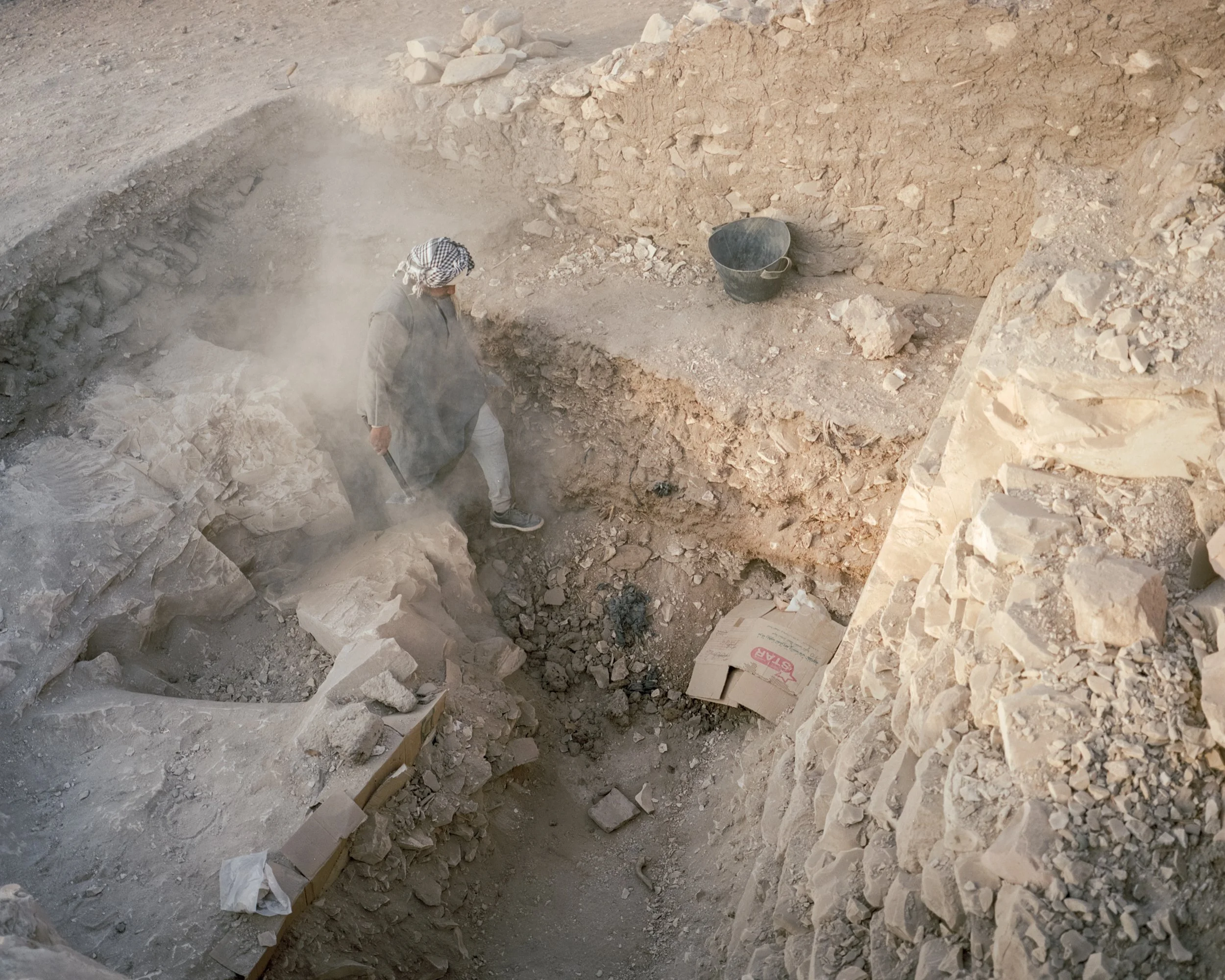
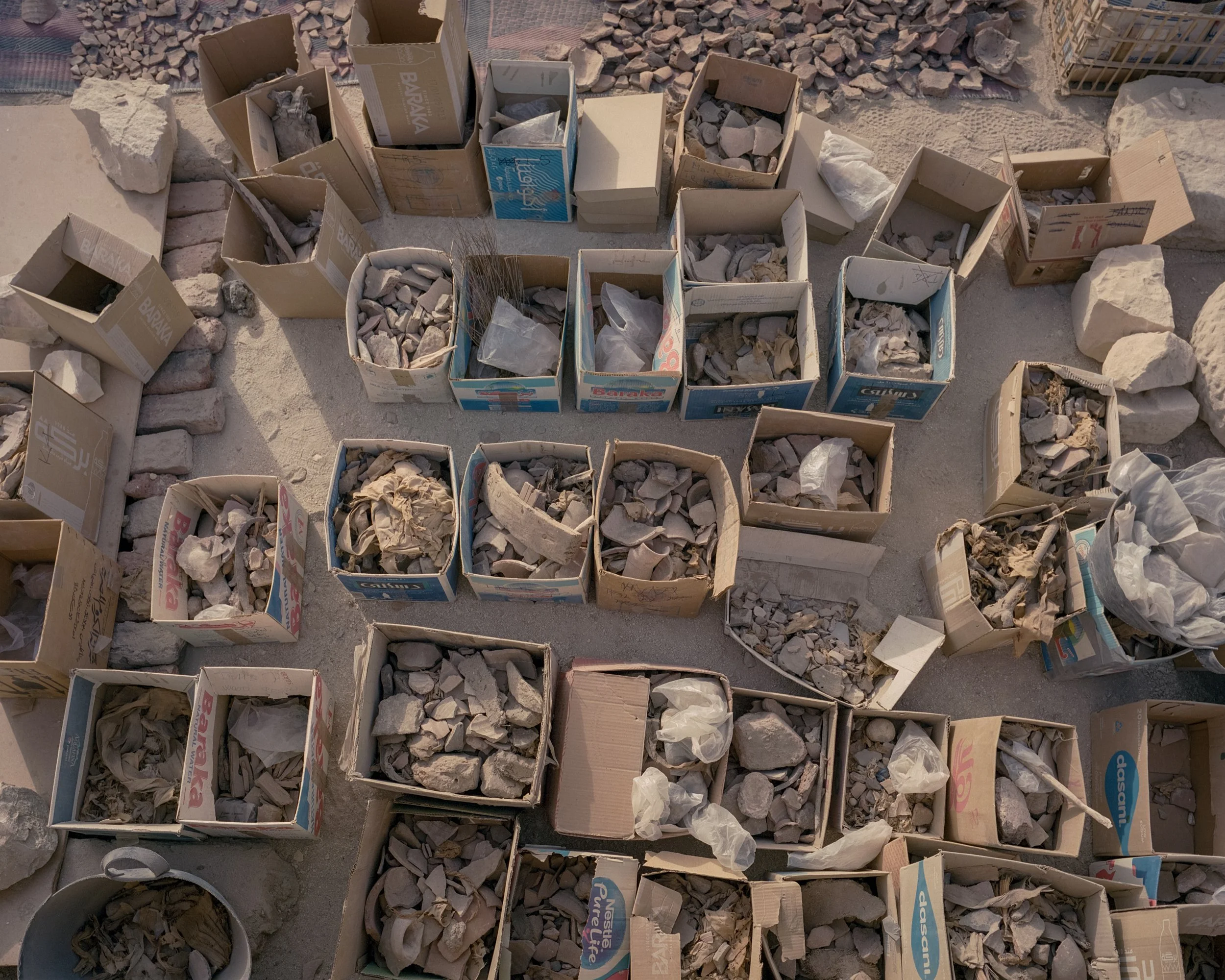
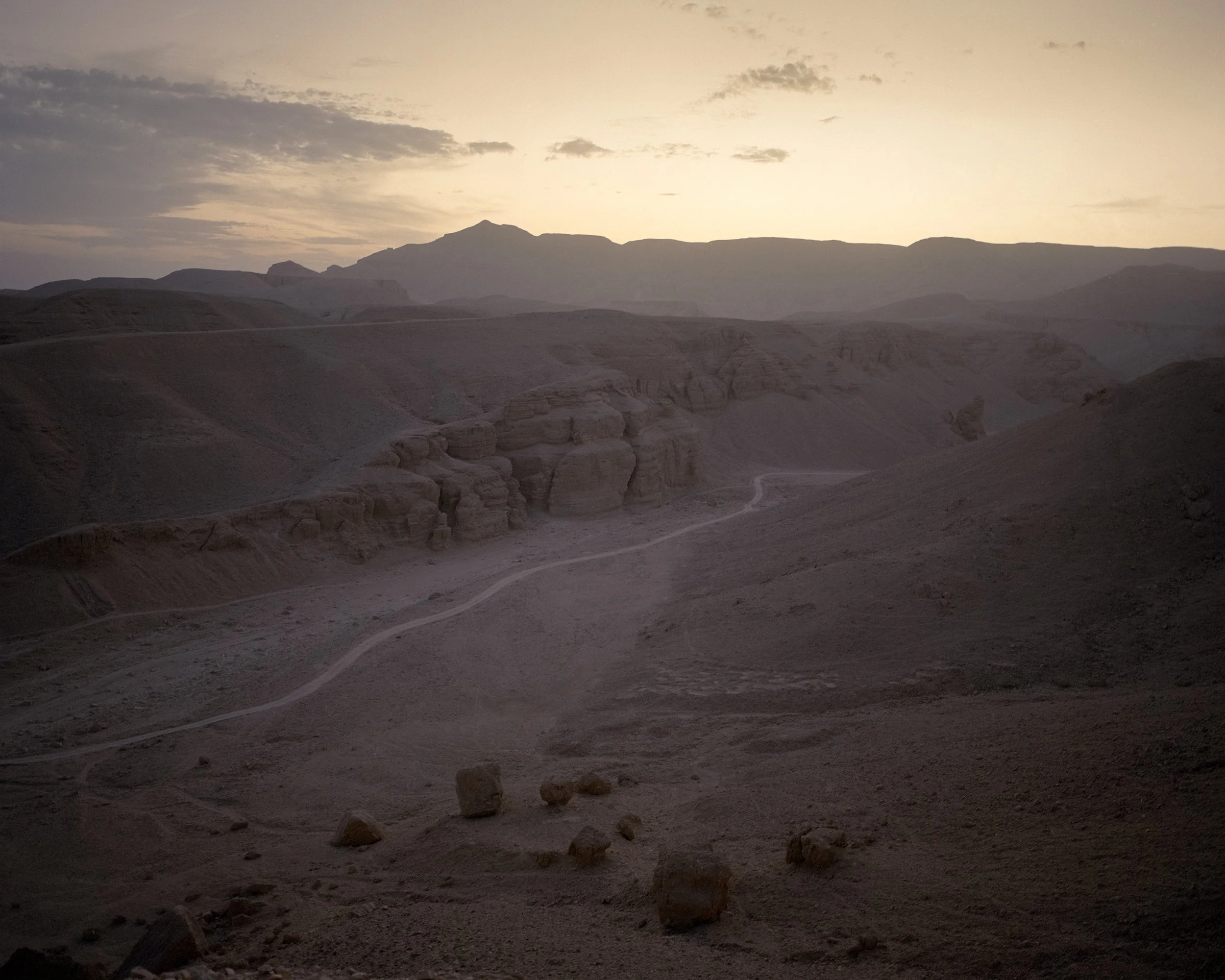
The cliffs of El-Khokha on the West Bank of Luxor form part of the vast Theban Necropolis, where archaeologists have worked for more than a century to uncover the tombs of officials who served Egypt’s pharaohs thousands of years ago. On the southern slope of the hill, the South Khokha Project—part of the Hungarian Archaeological Mission in Thebes, directed by Dr. Zsolt Vasáros—continues research that began in the 1980s. The late Professor László Kákosy’s team first opened Theban Tomb No. 32 (TT 32) more than four decades ago, initiating the systematic exploration of the hillside. Since then, the project has expanded across roughly half a hectare, revealing thousands of burials and the tomb of the nobleman Djehutymes and his wife, among many other discoveries.
Until recently, however, this ancient sacred landscape was also a living village.
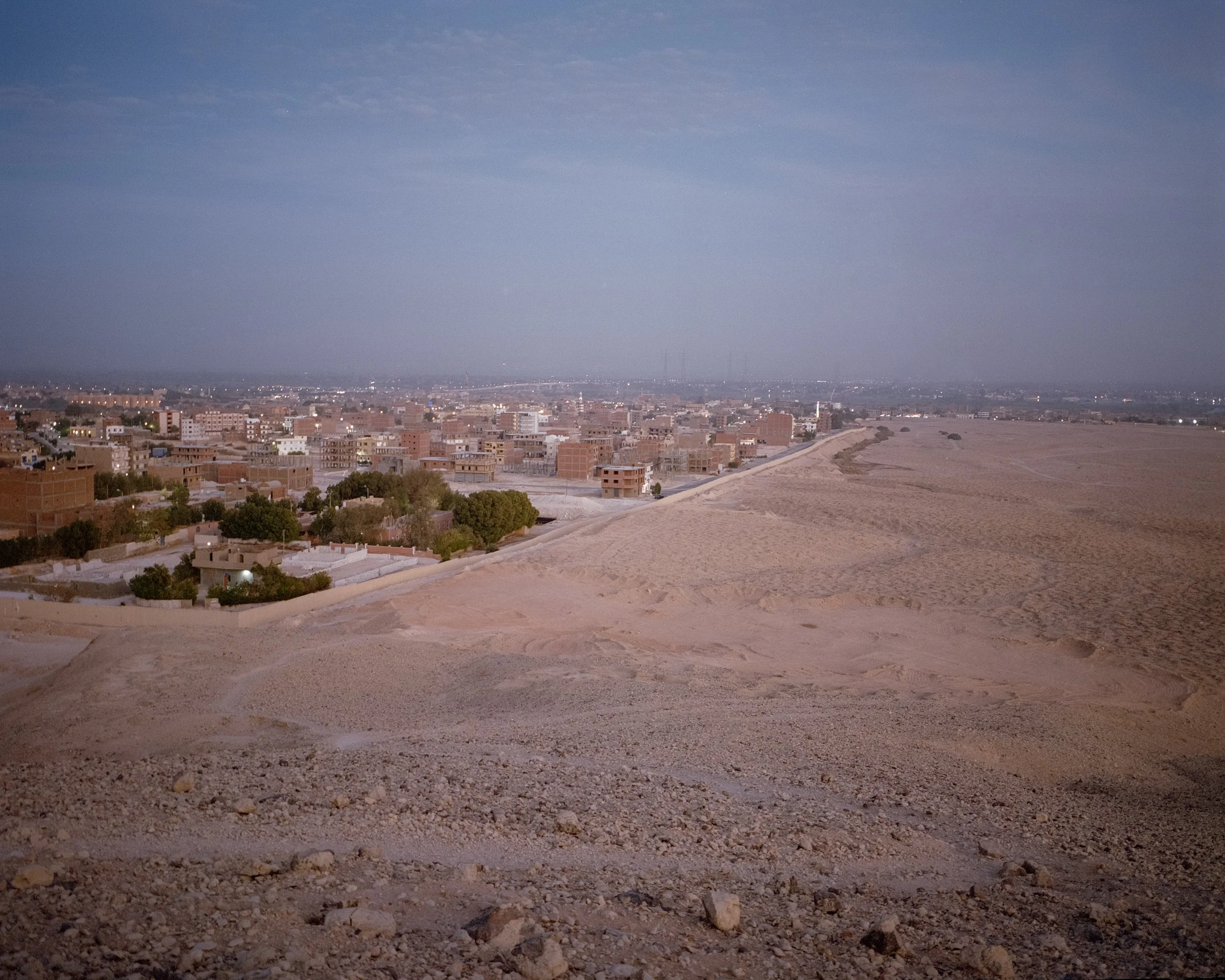
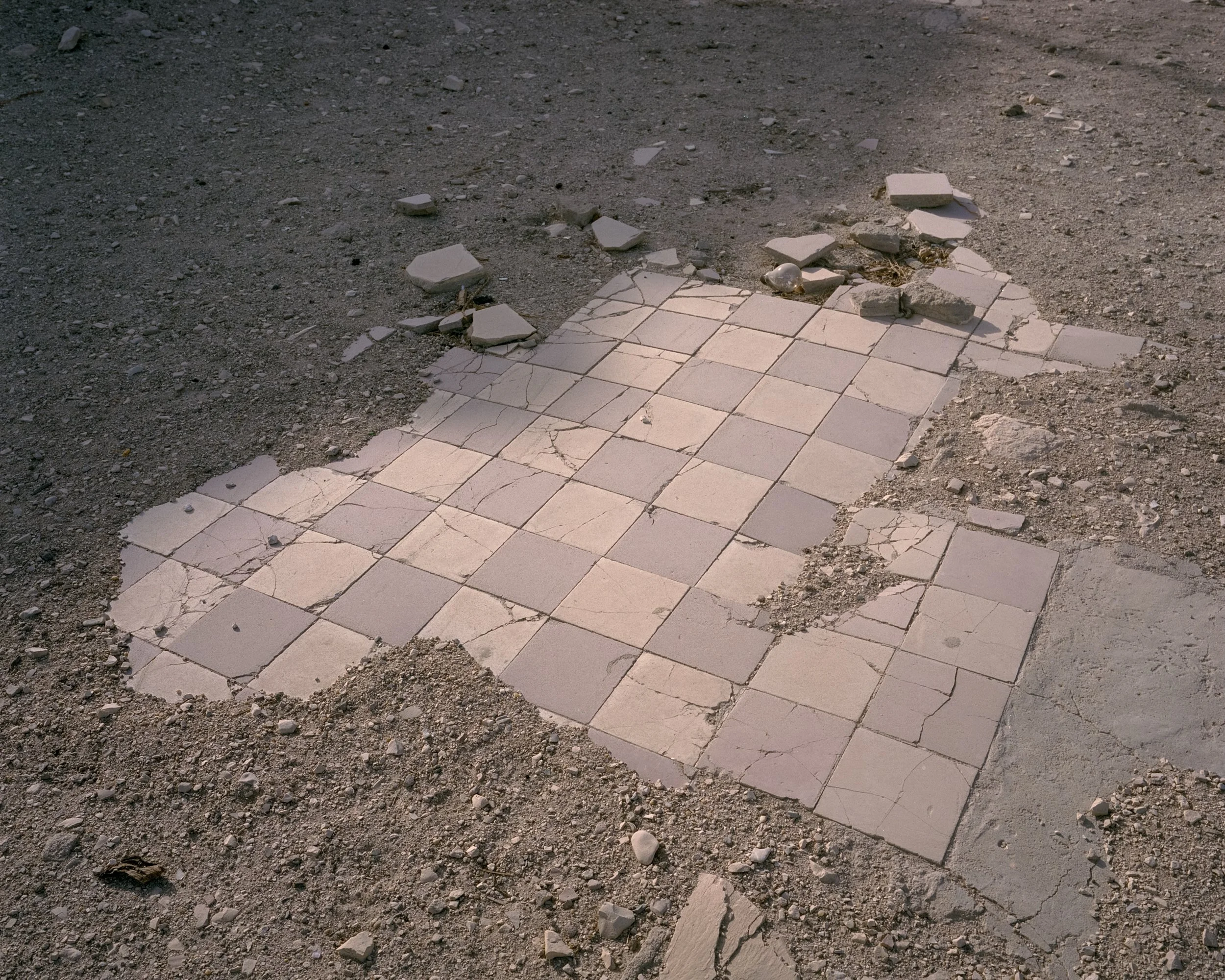
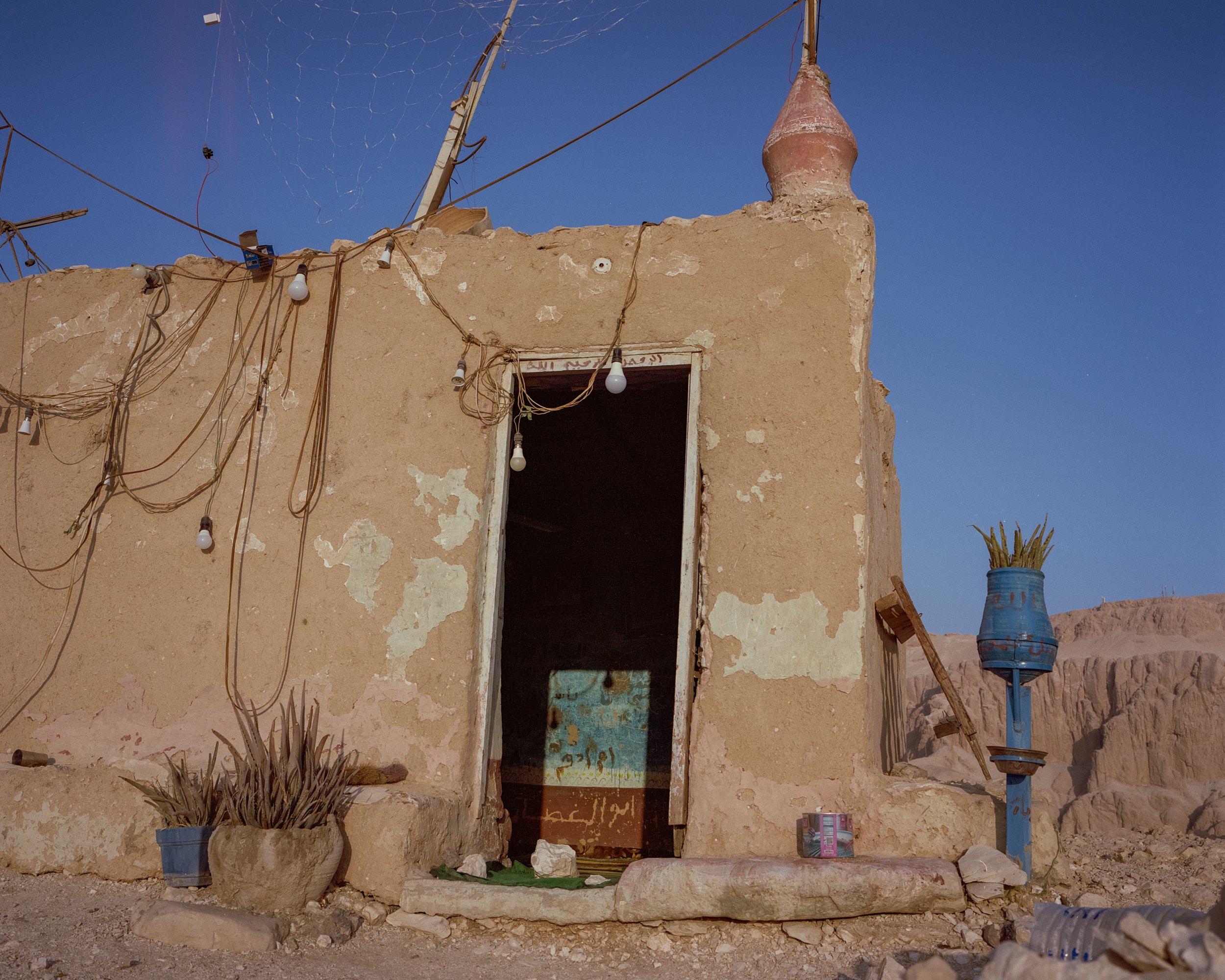
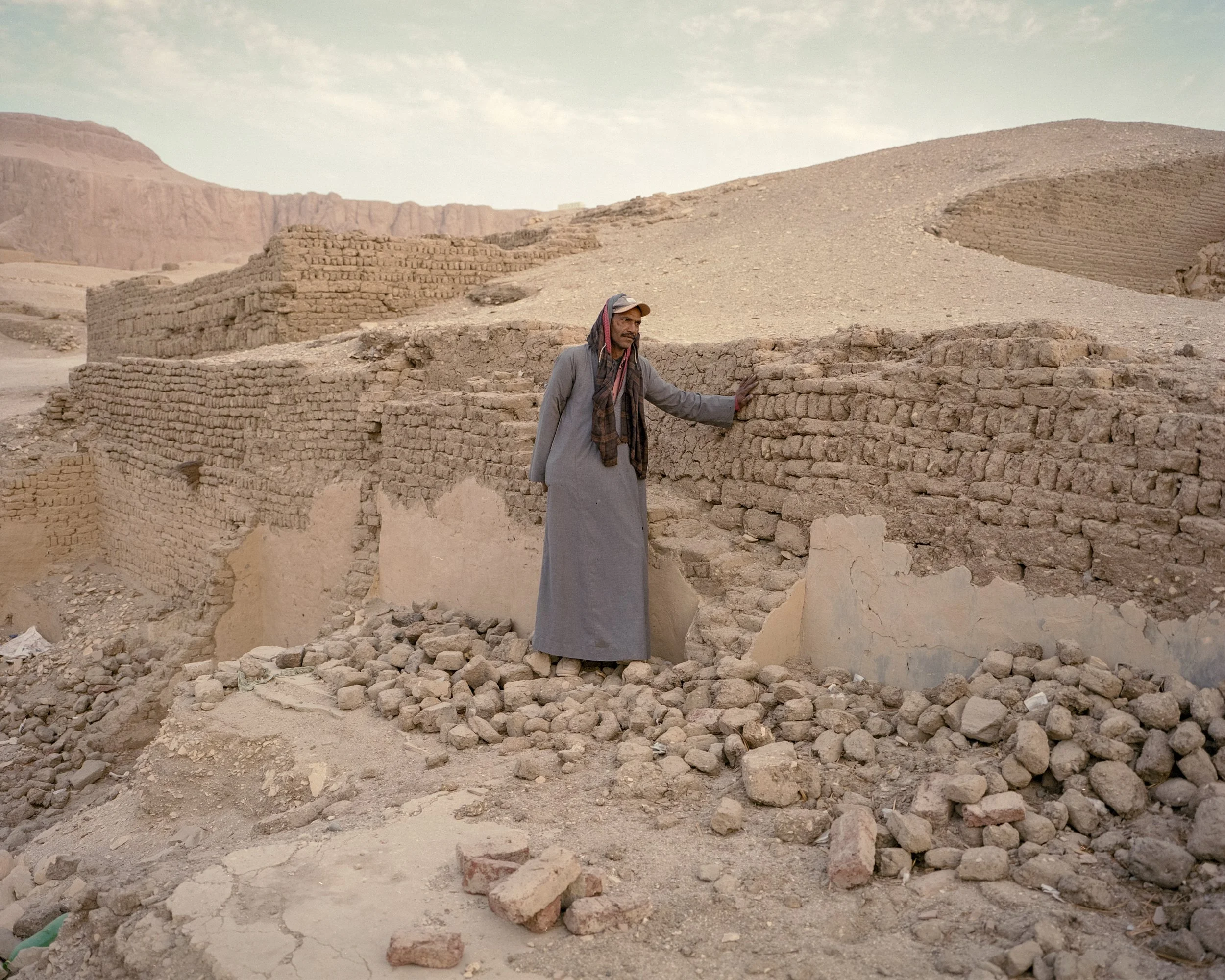
The community of Qurna stood directly atop the necropolis. Families built their homes into the hillside and lived among the entrances of ancient tombs. By the mid-2000s, Egyptian authorities had relocated most residents in an effort to protect the archaeological site and facilitate further excavation.
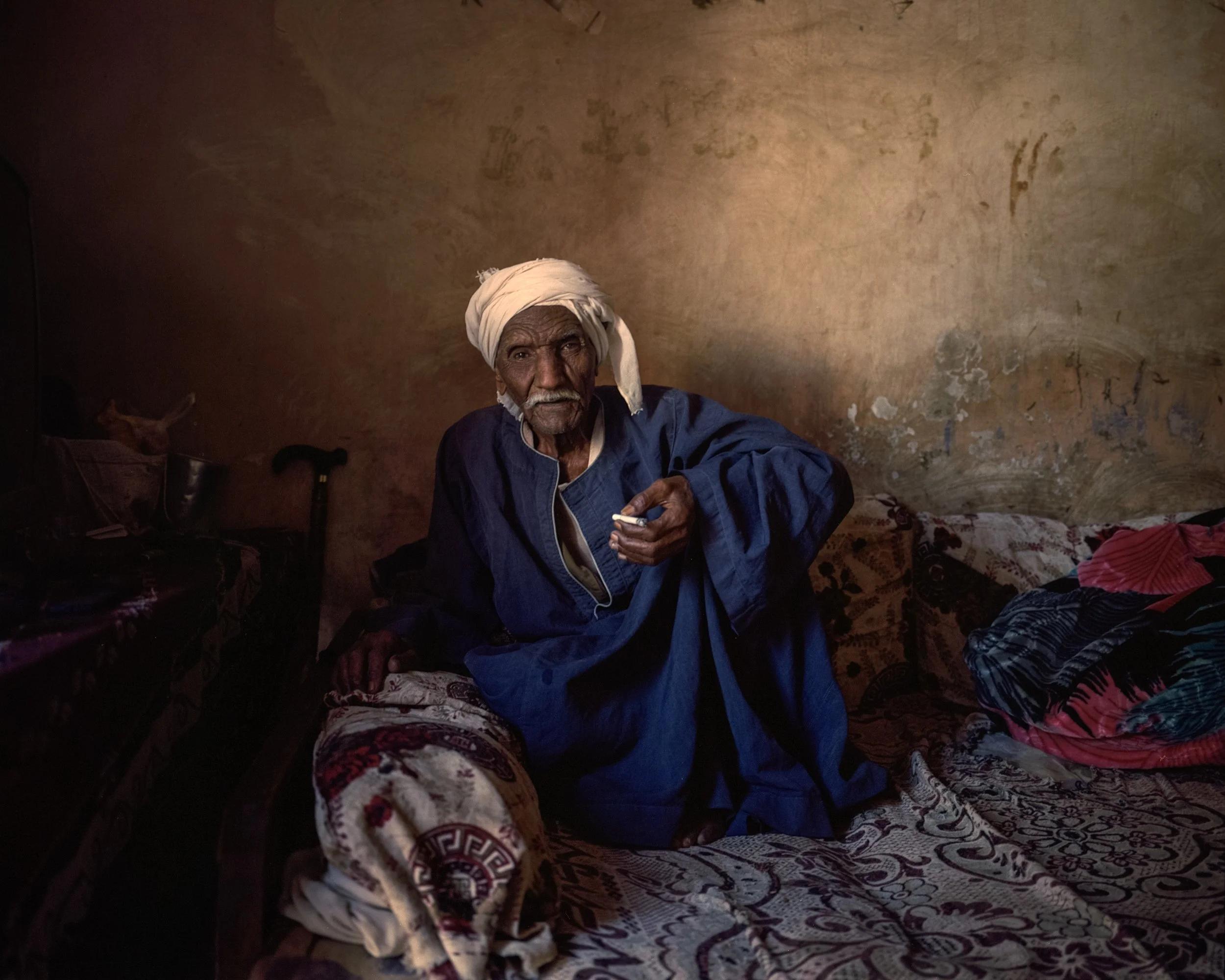
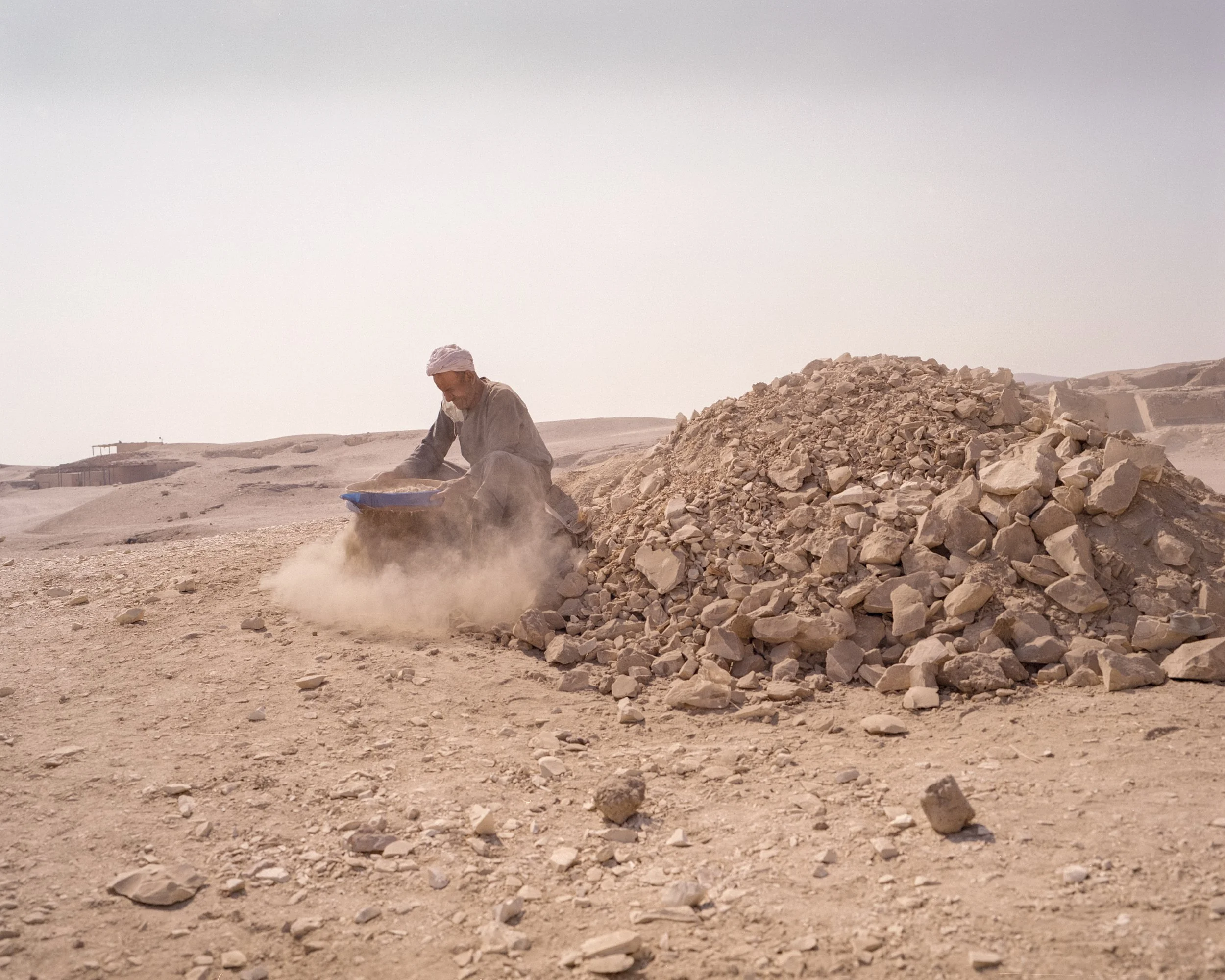
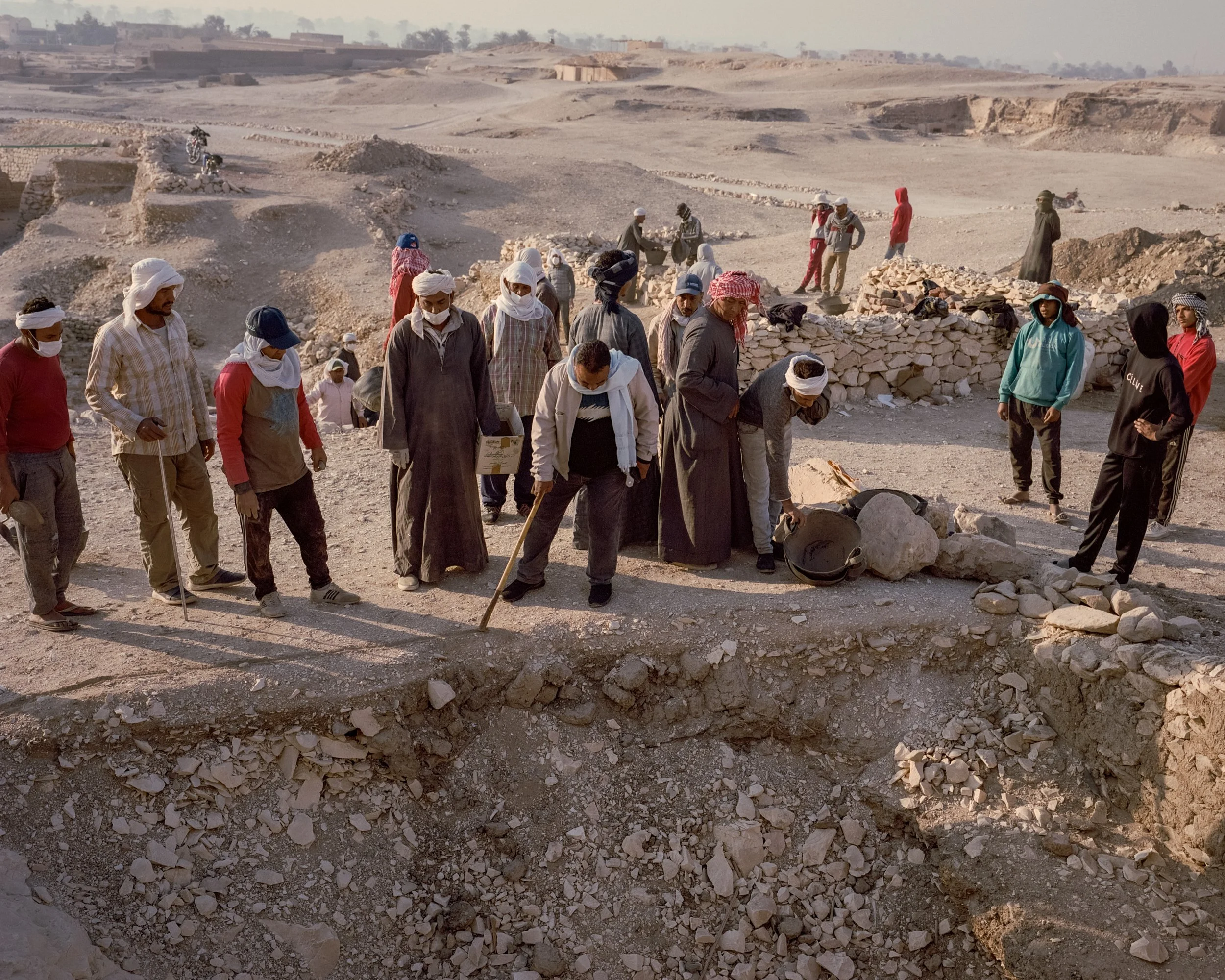
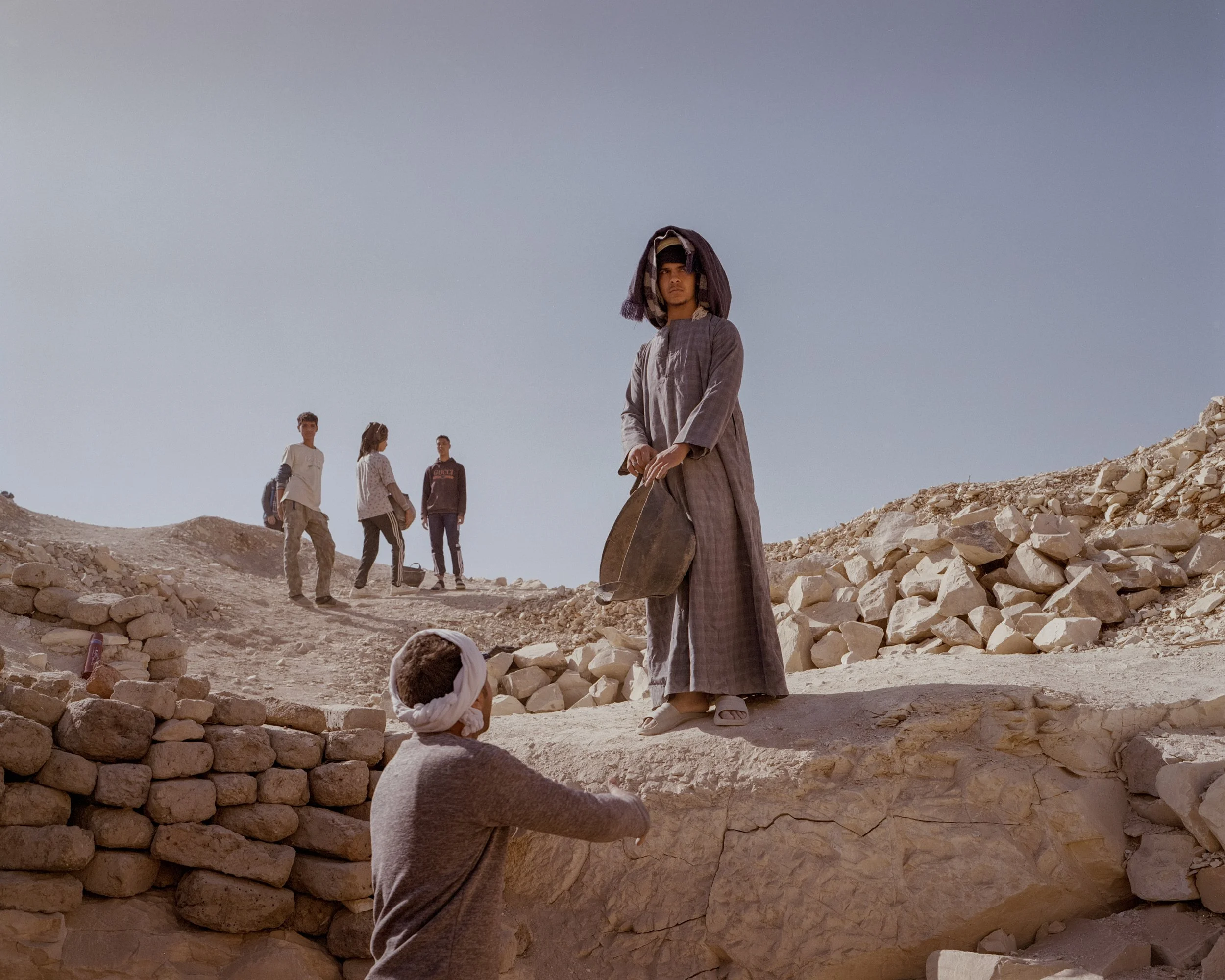
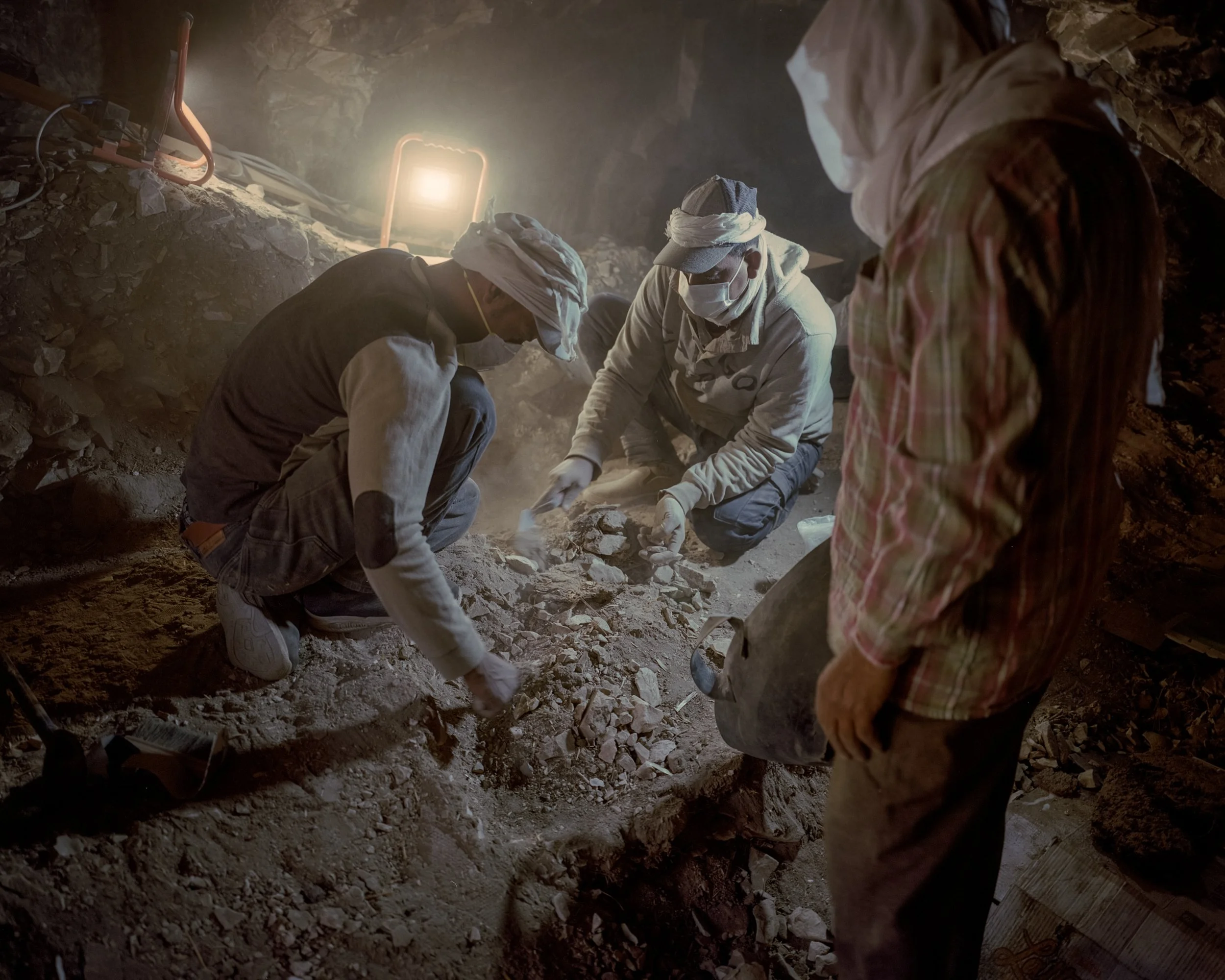
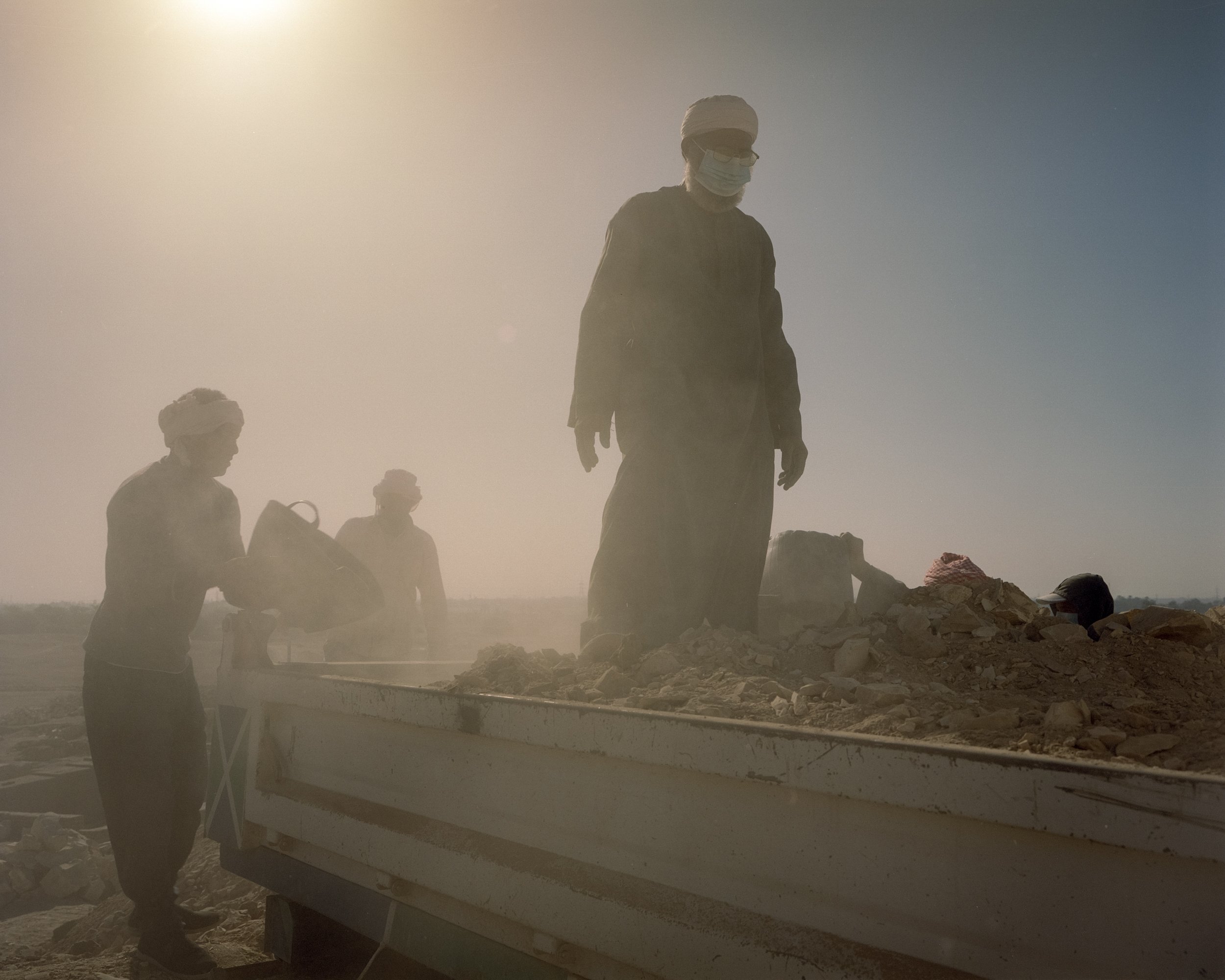
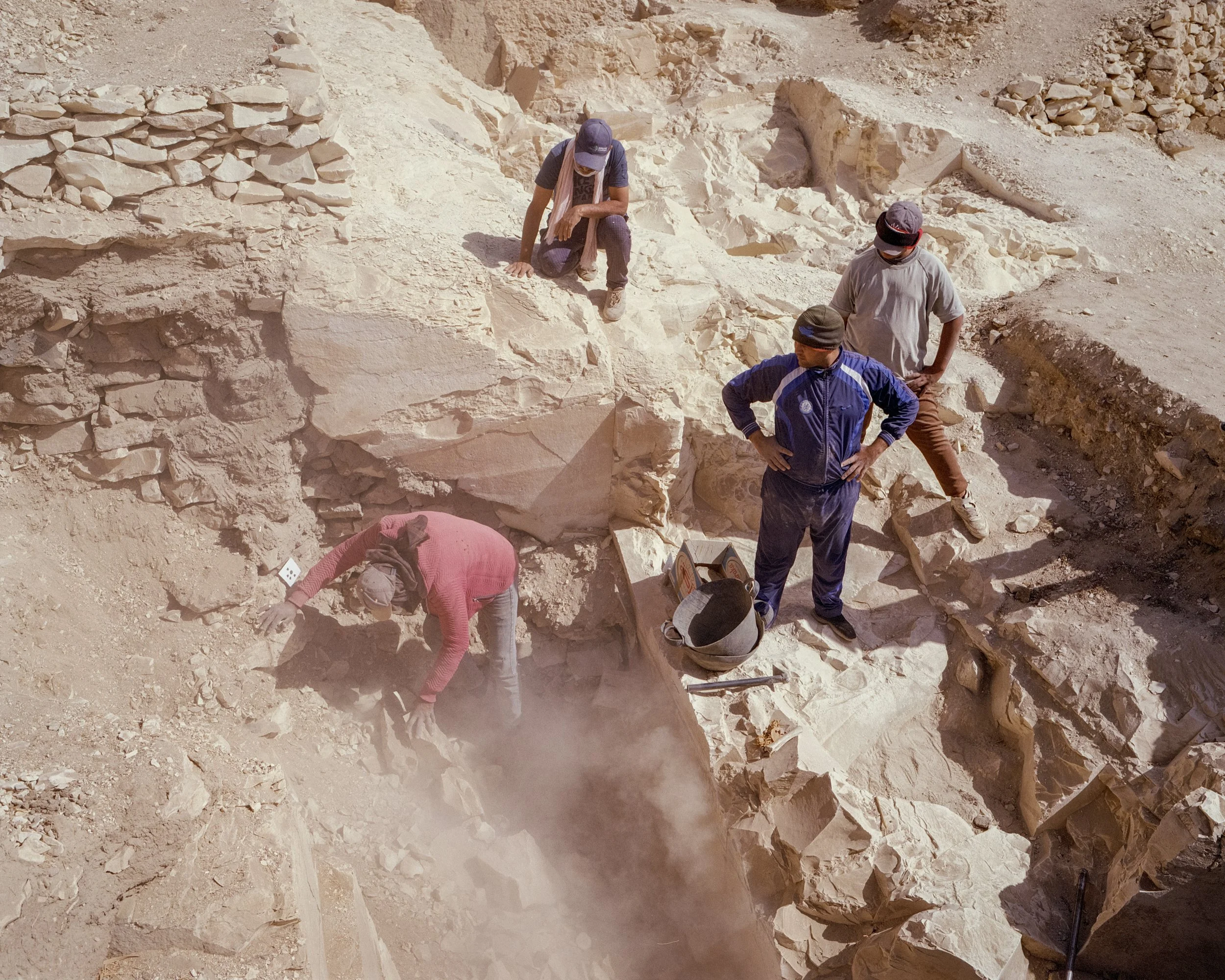
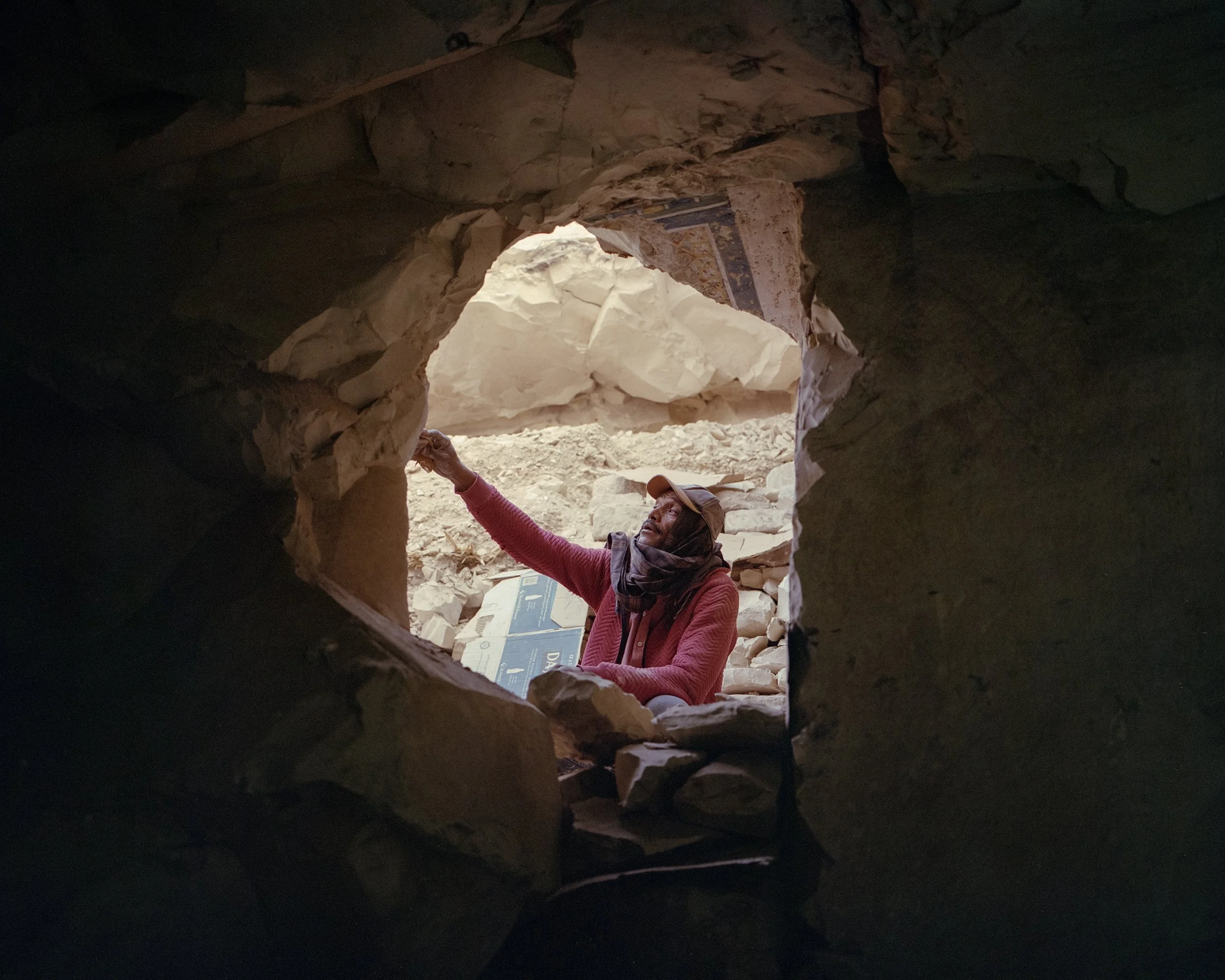
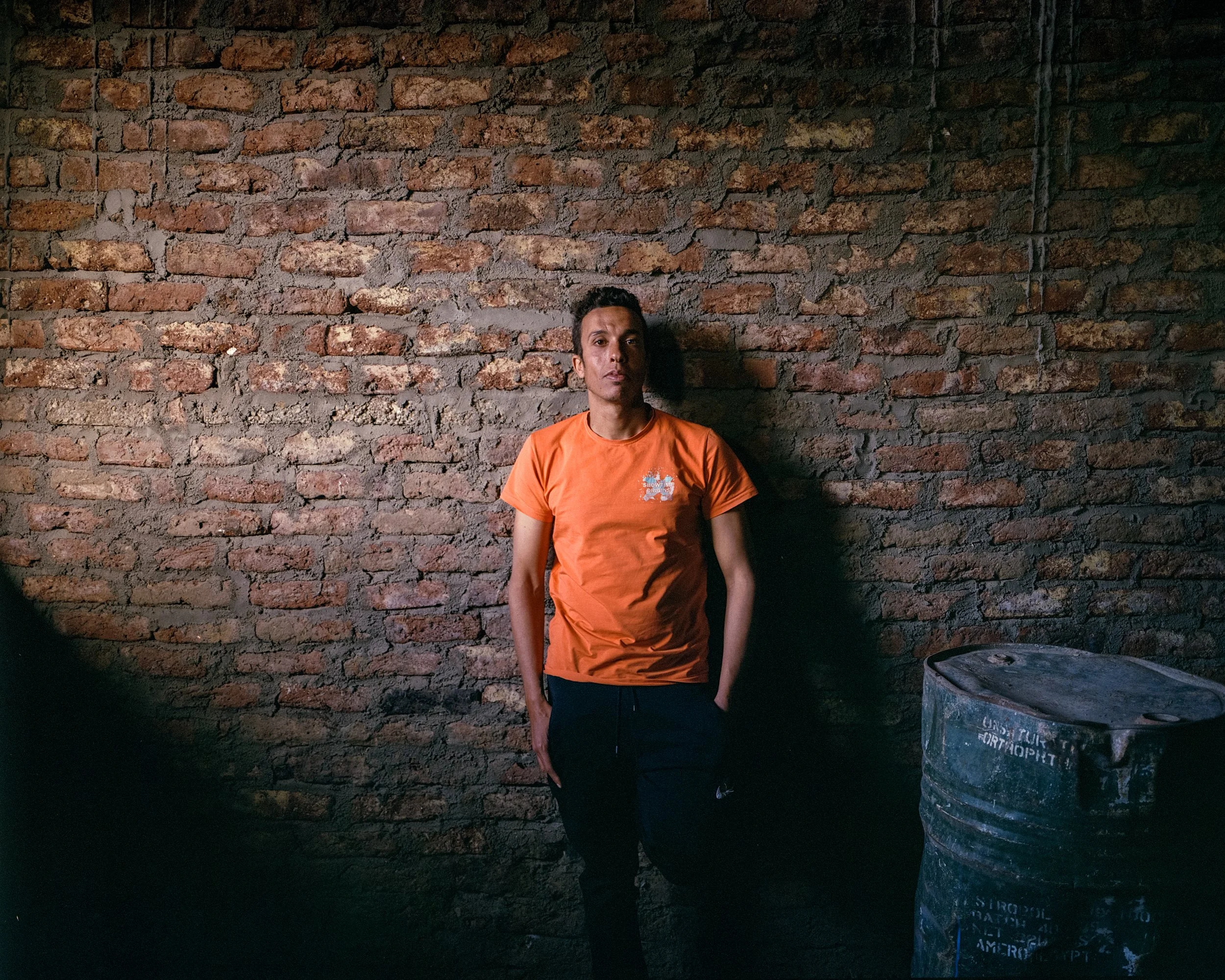
Many former residents did not leave the landscape entirely. Today, several Qurnawi men work as experienced excavators and technicians on archaeological missions, including the Hungarian team at El-Khokha. Their knowledge of the terrain, burial shafts, and the fragile layers of limestone and debris has been passed down through generations.
For decades, the Hungarian mission and the Qurnawi community have worked side by side. Many of the workers began assisting the excavation as children alongside their fathers and grandfathers, gradually becoming foremen, supervisors, and some of the mission’s most trusted collaborators. Archaeological discovery here is not simply the work of visiting researchers, but the result of a long-term partnership built on shared experience, trust, and an intimate knowledge of the landscape.
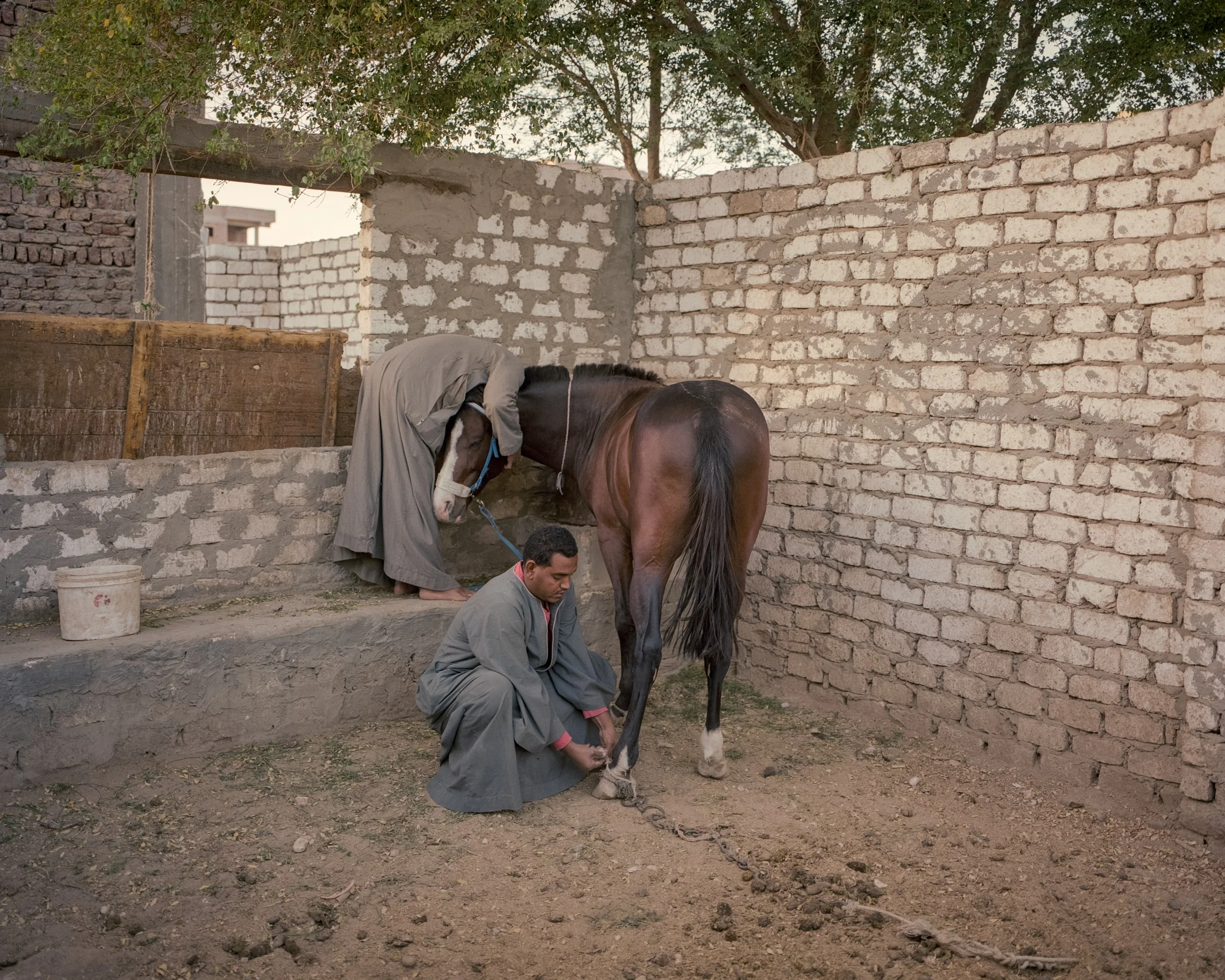
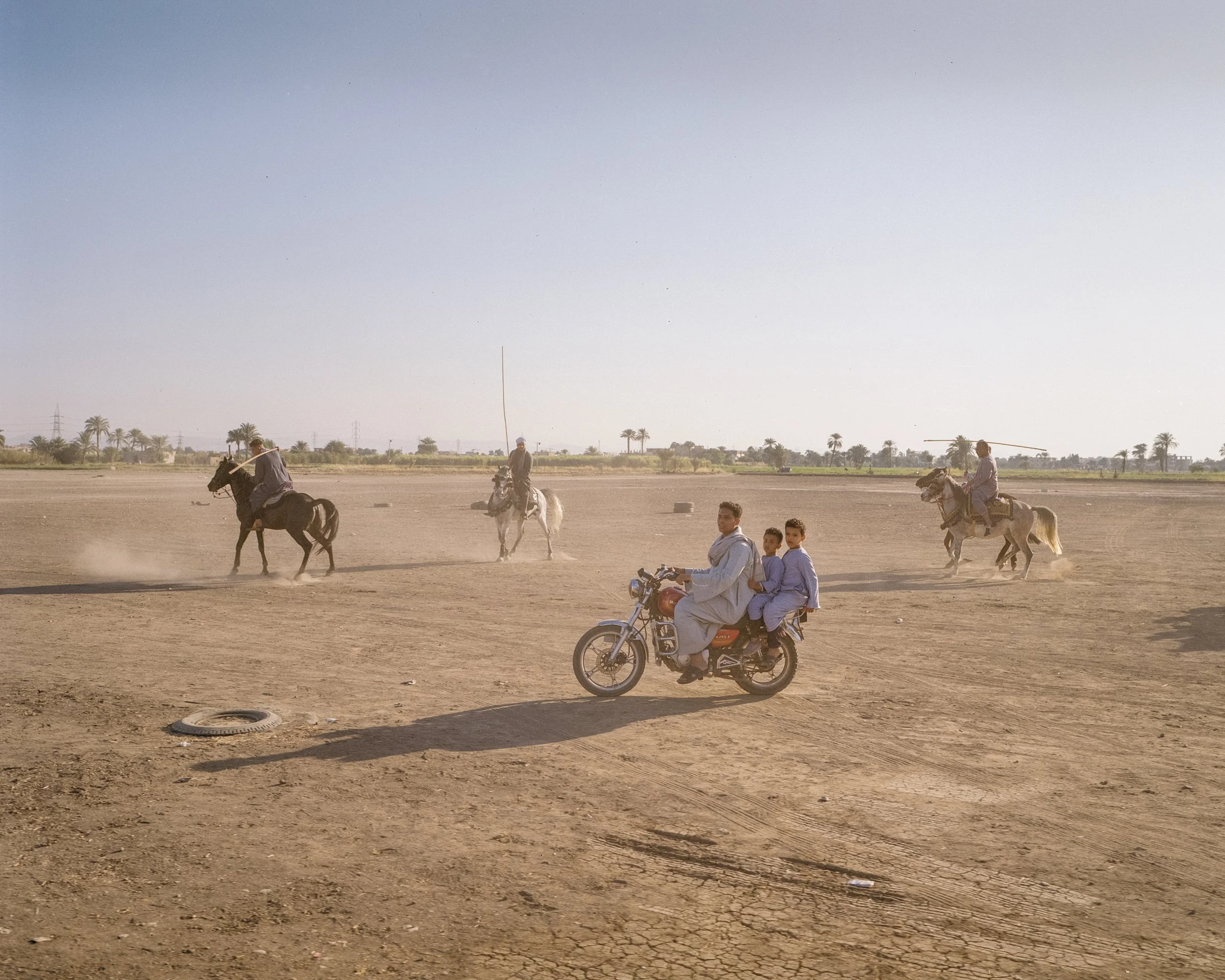
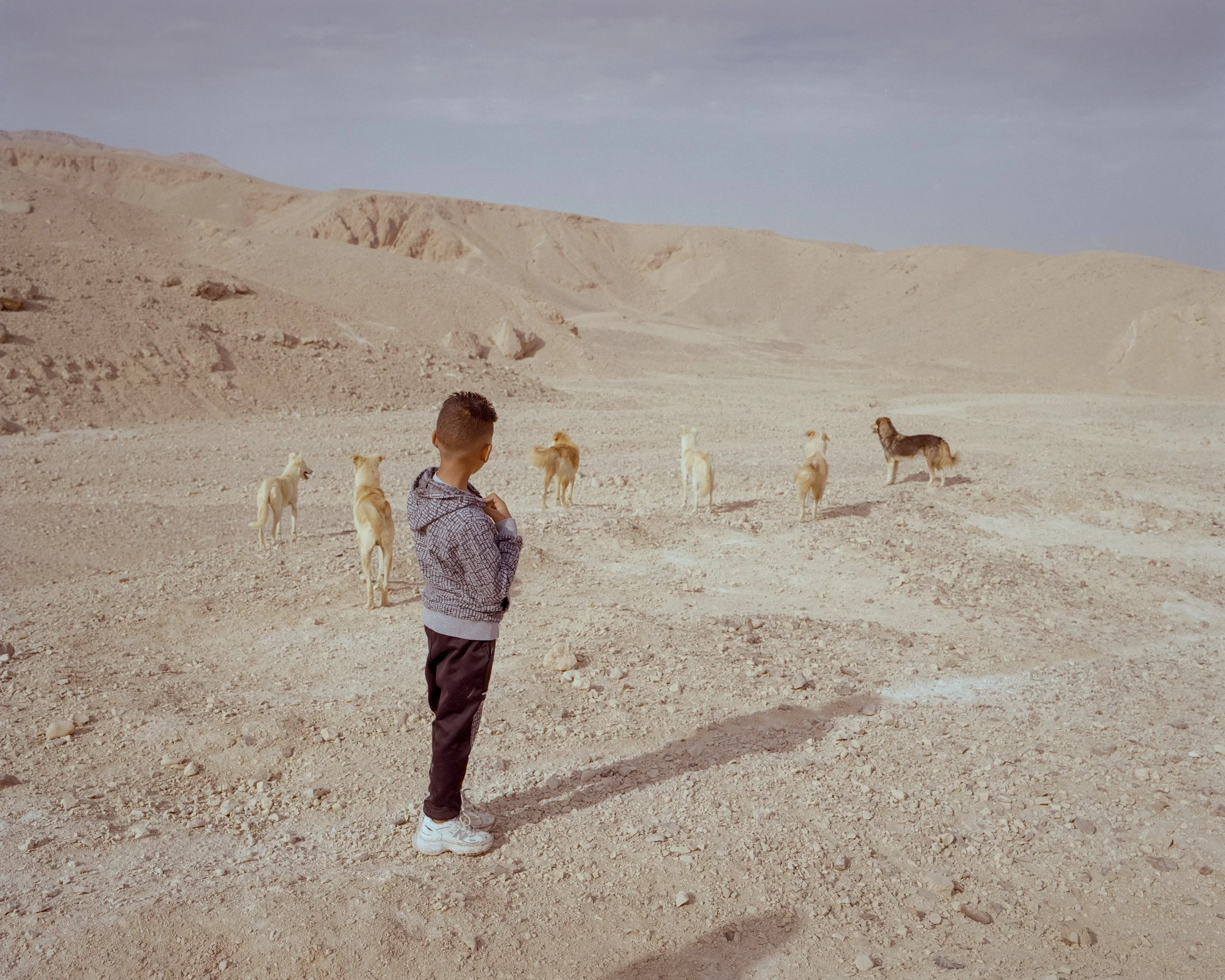
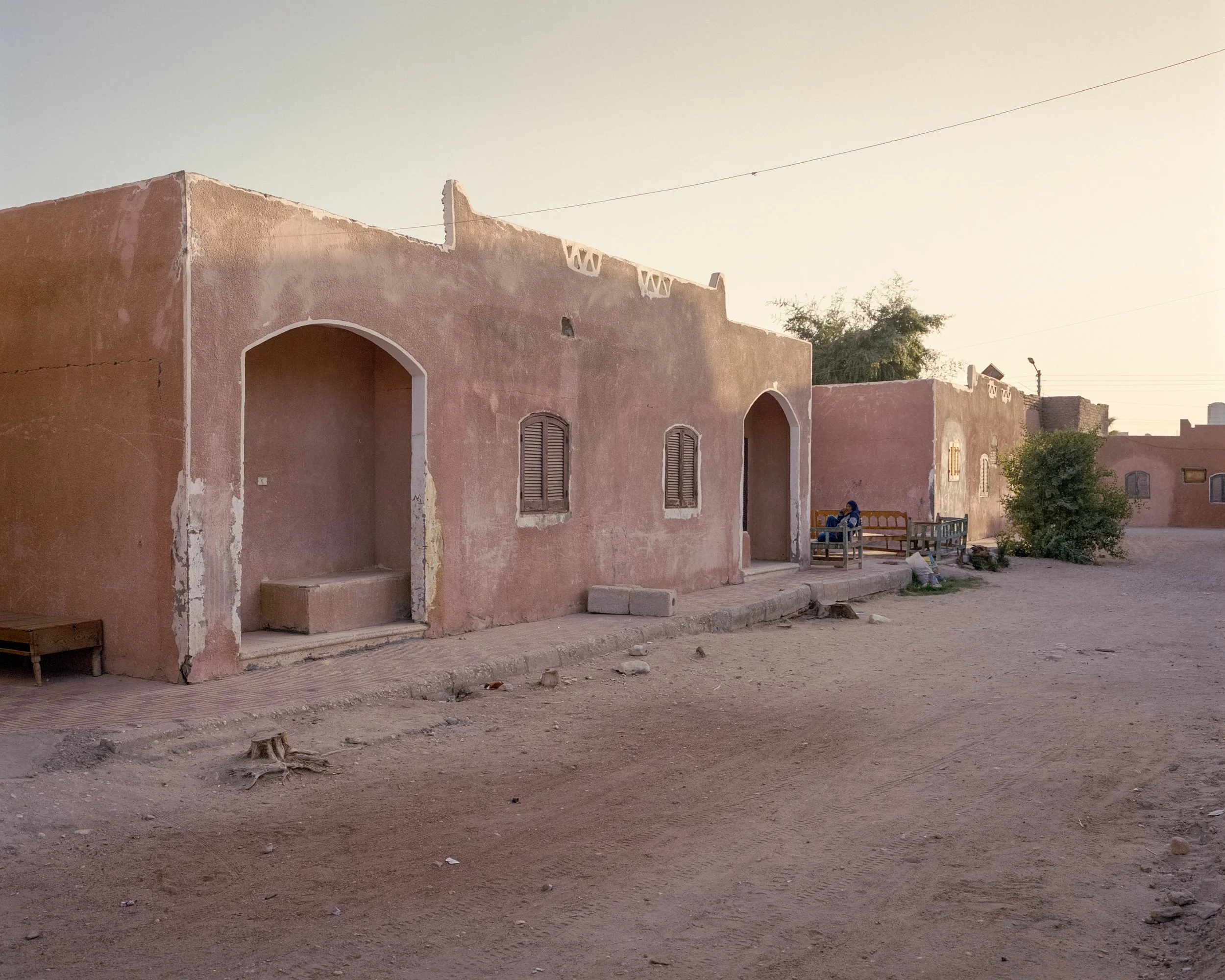
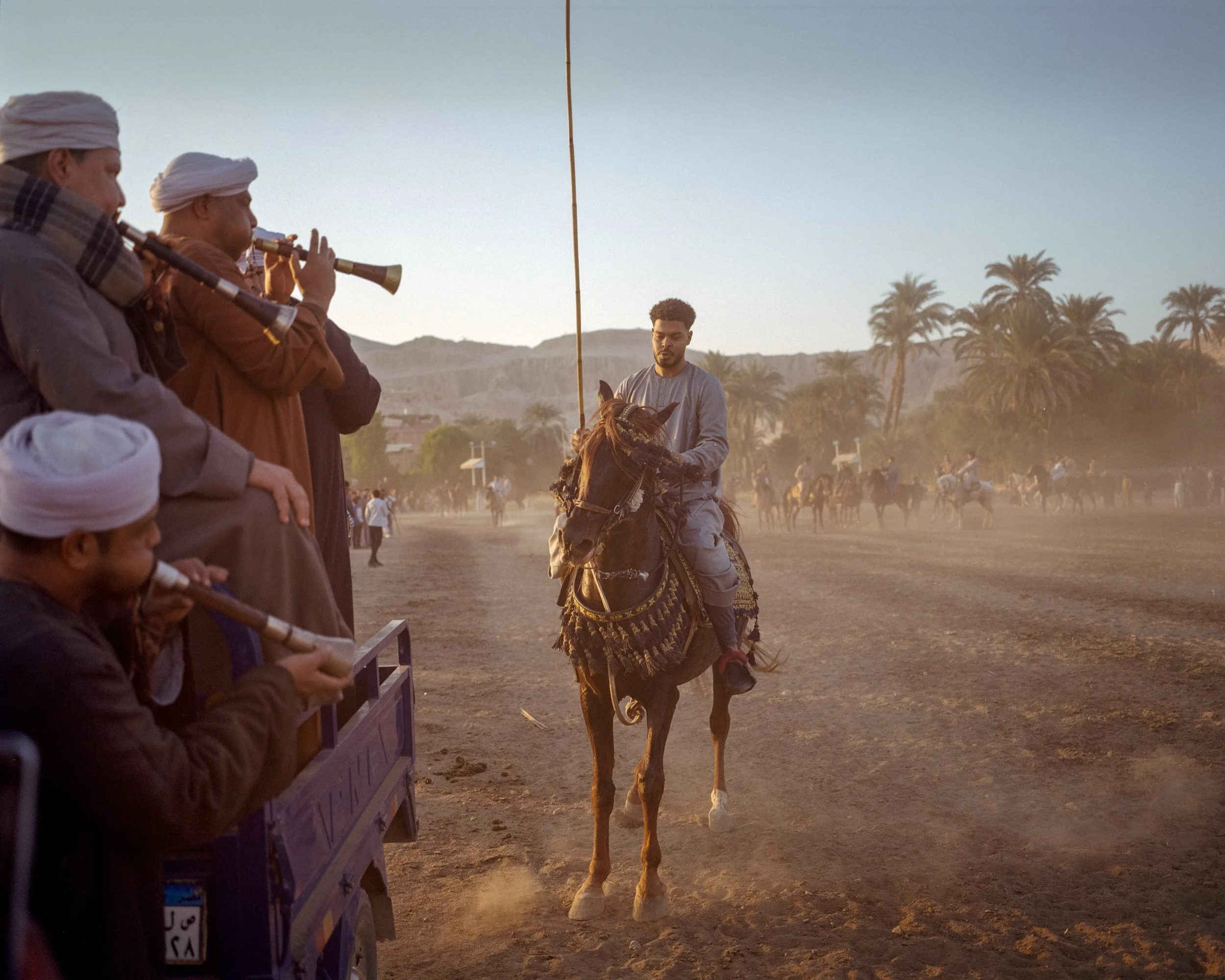
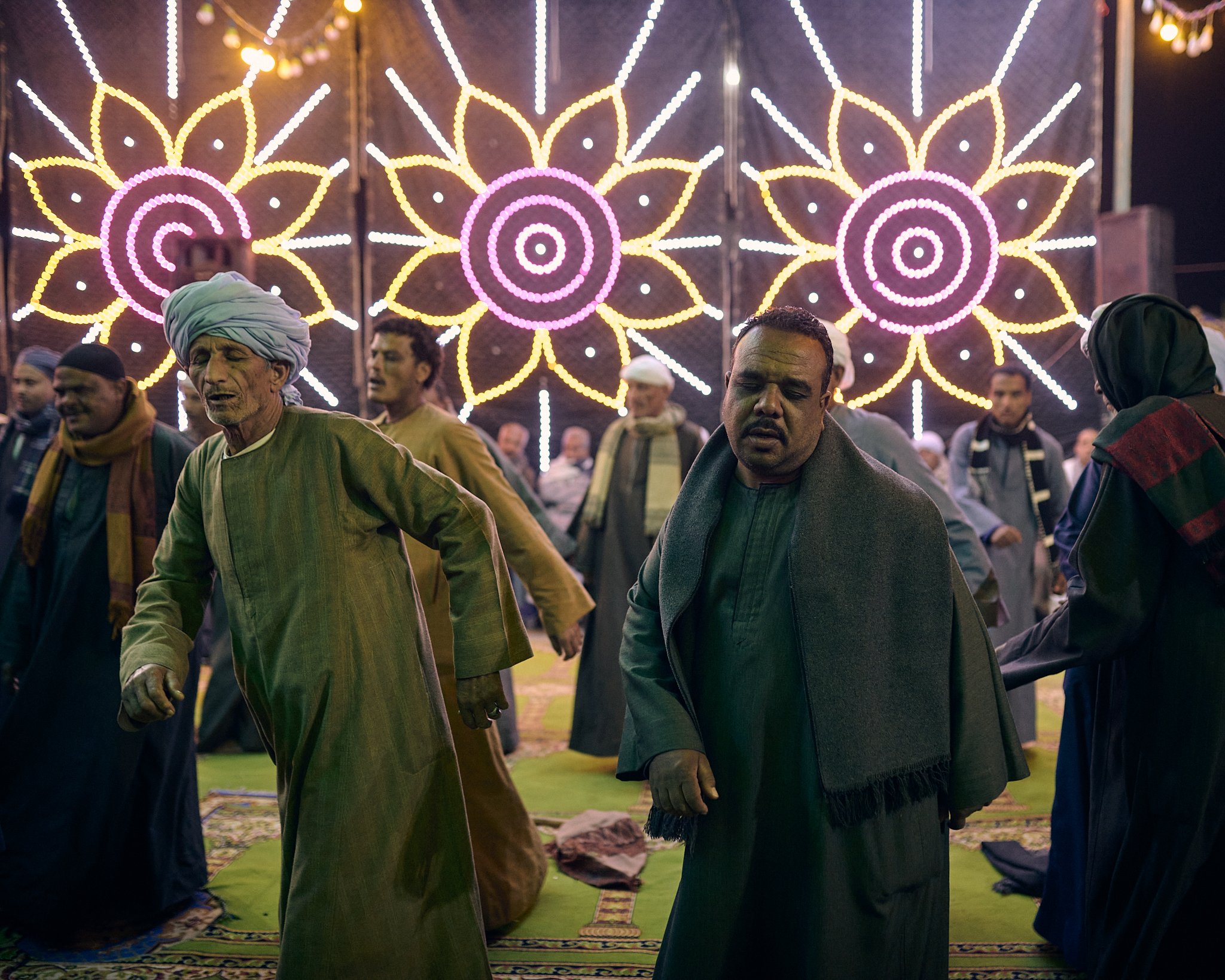
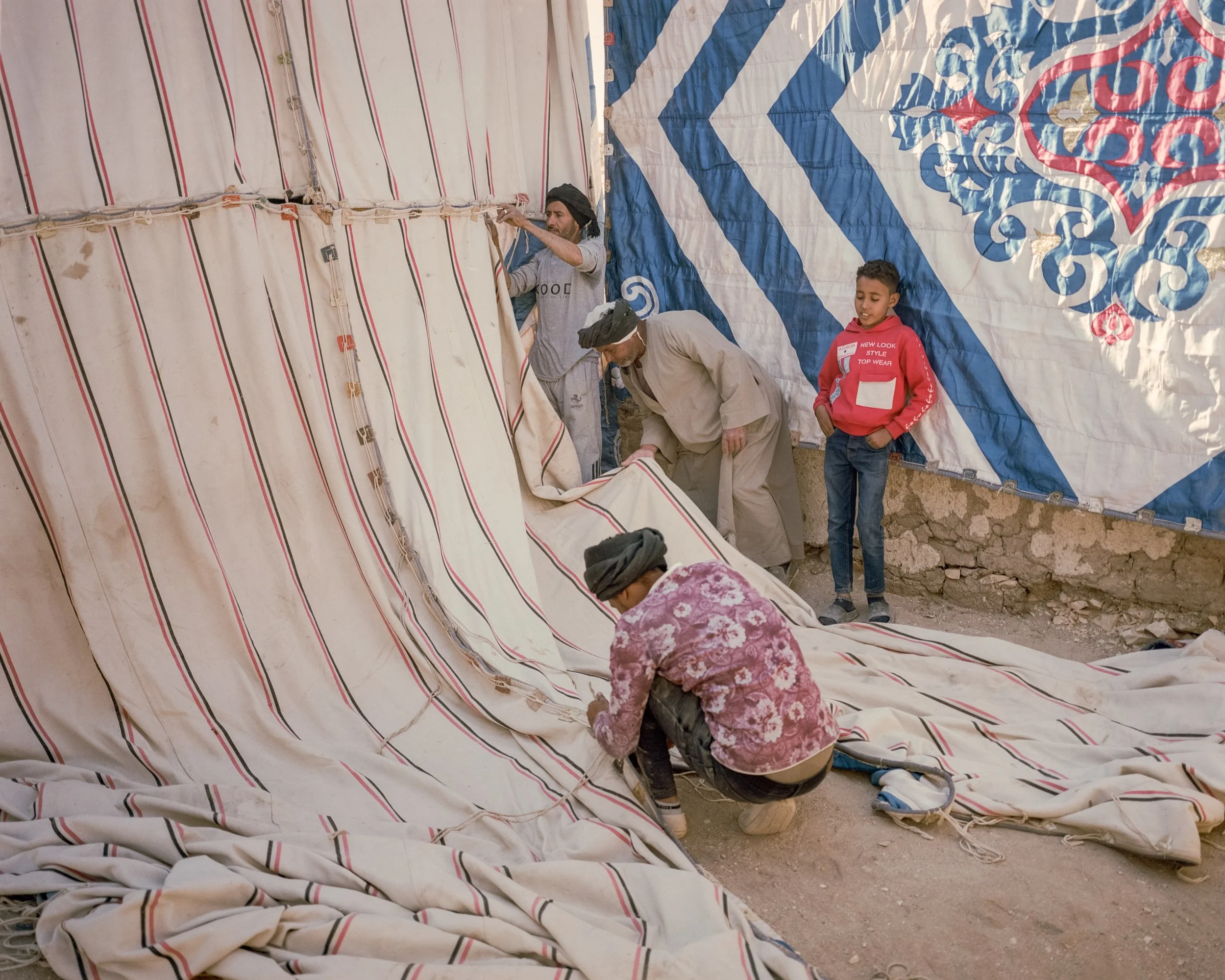
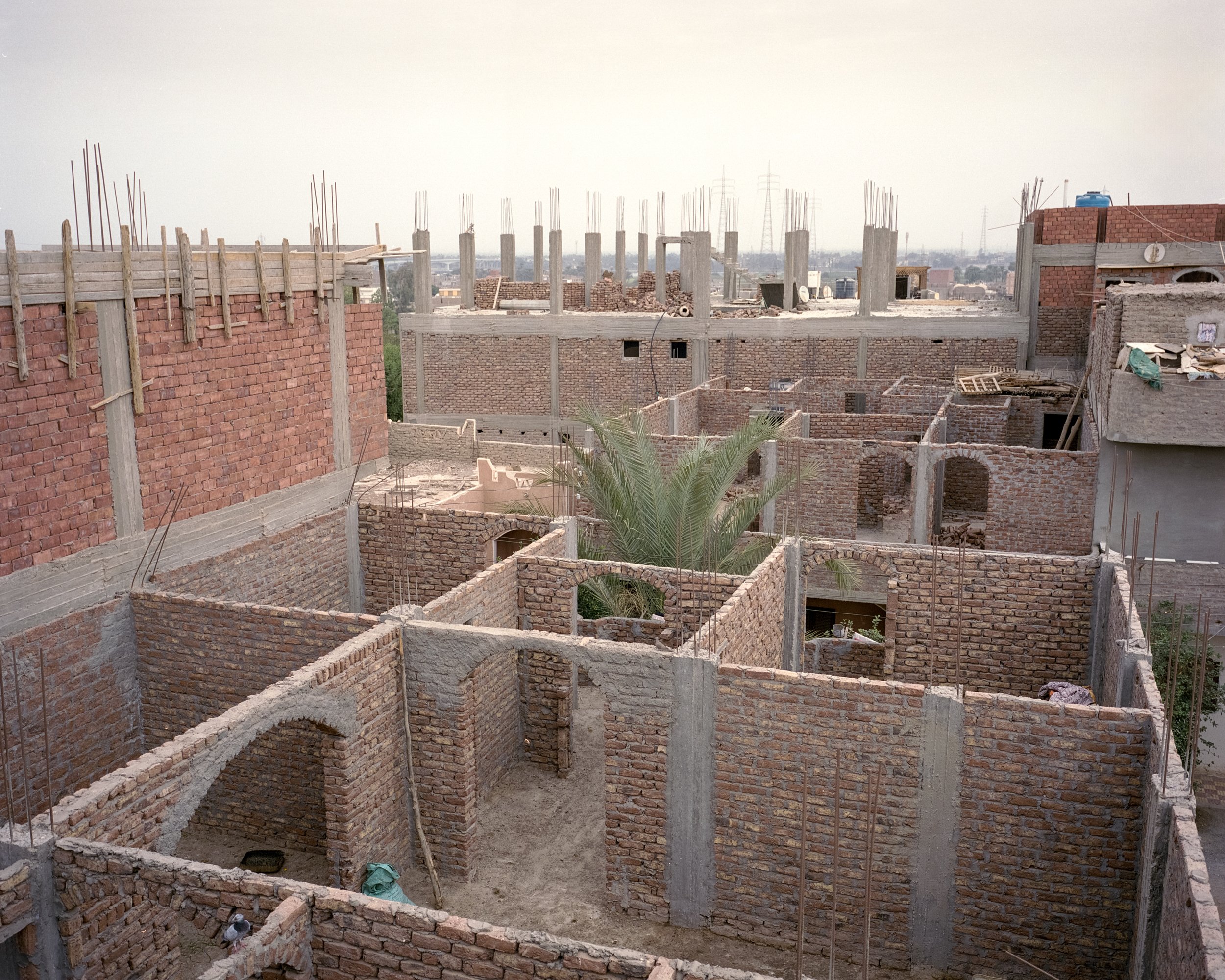
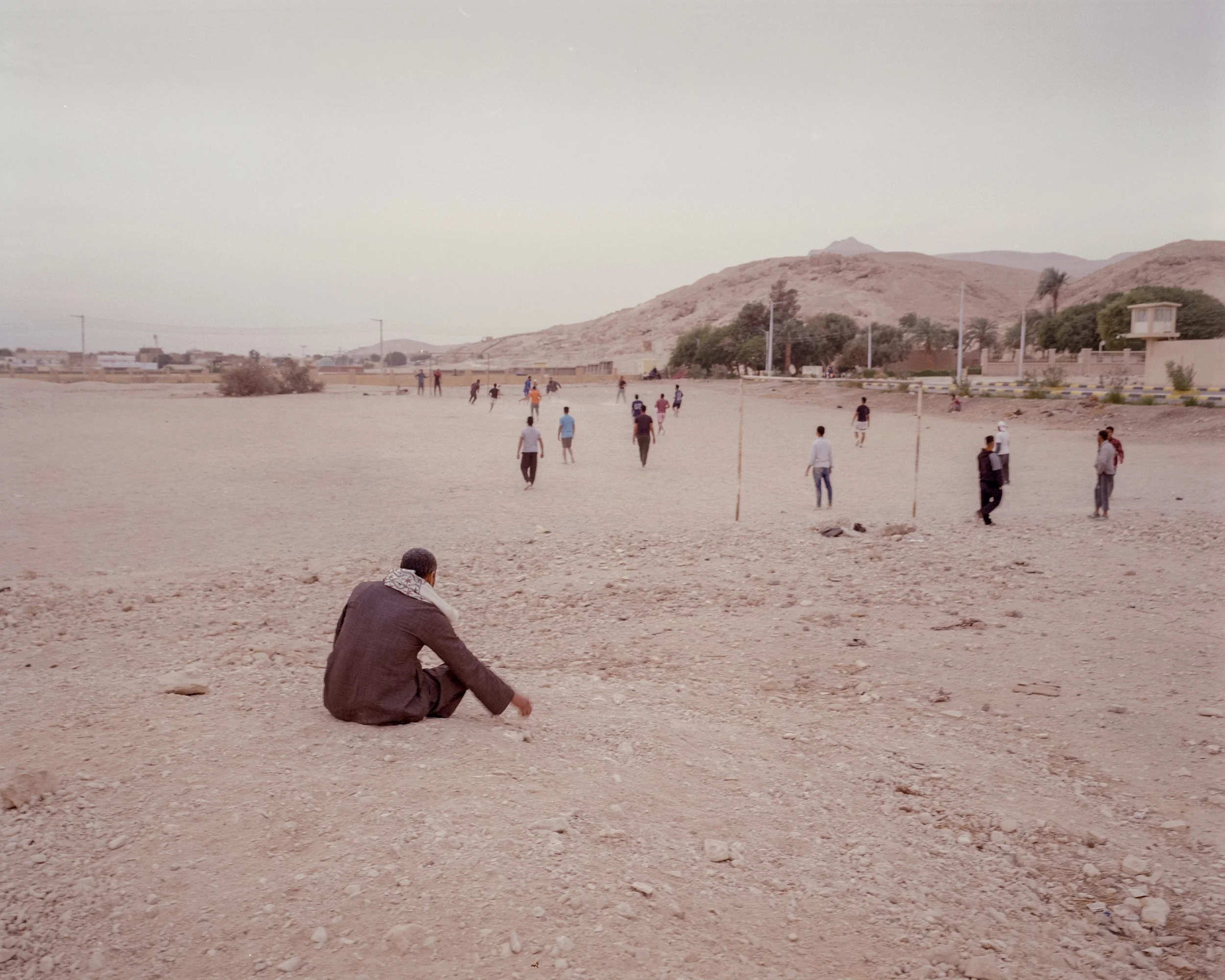
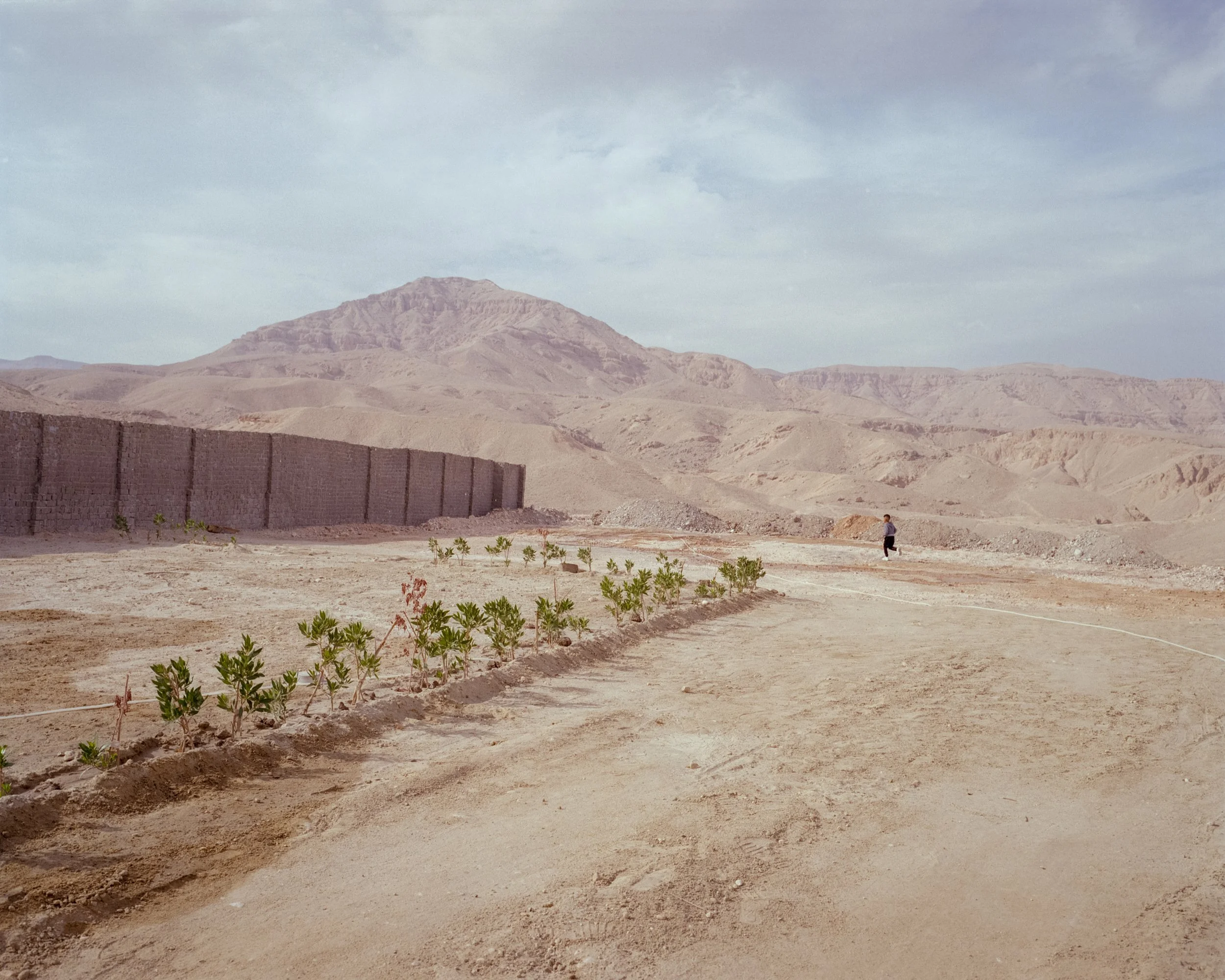
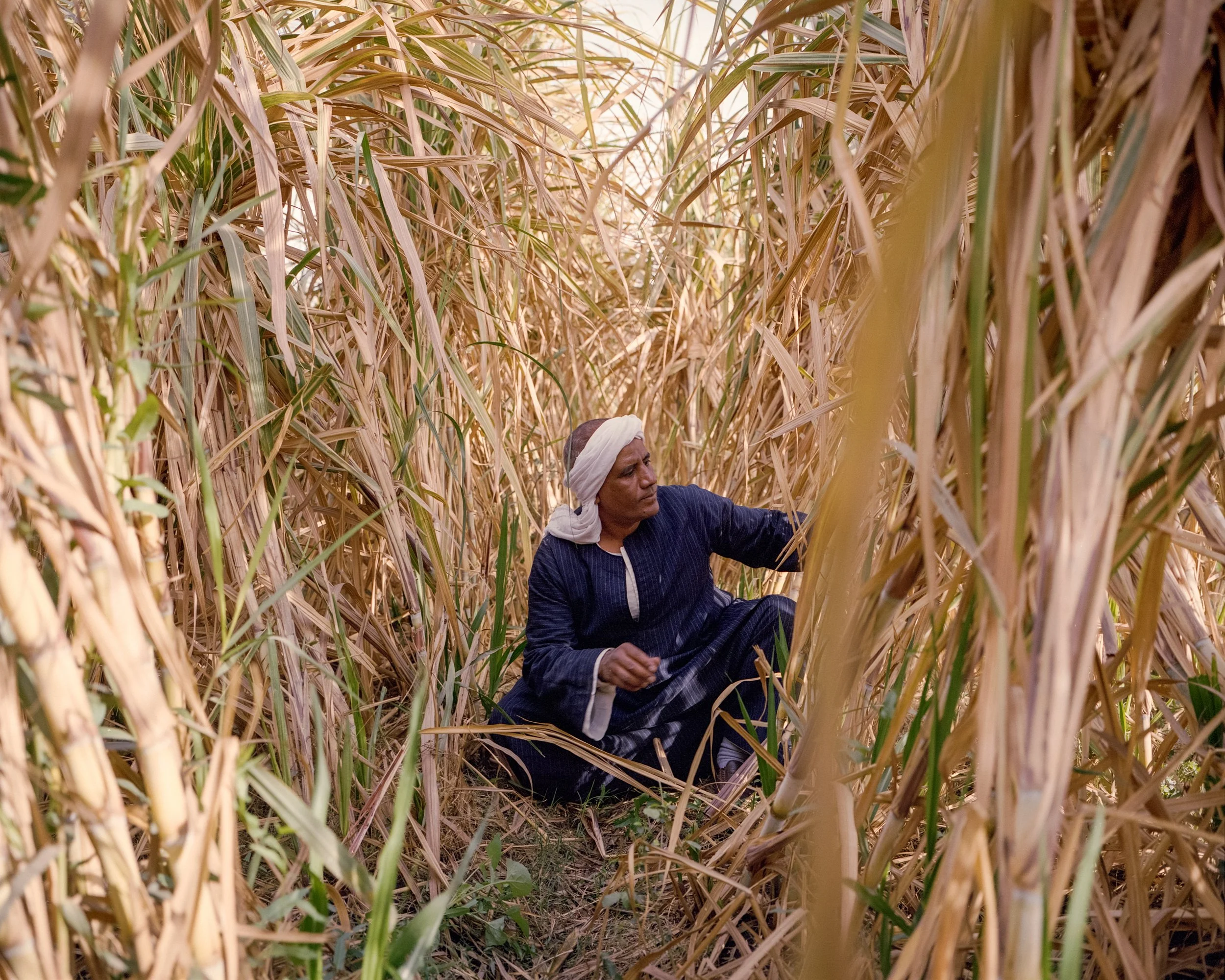
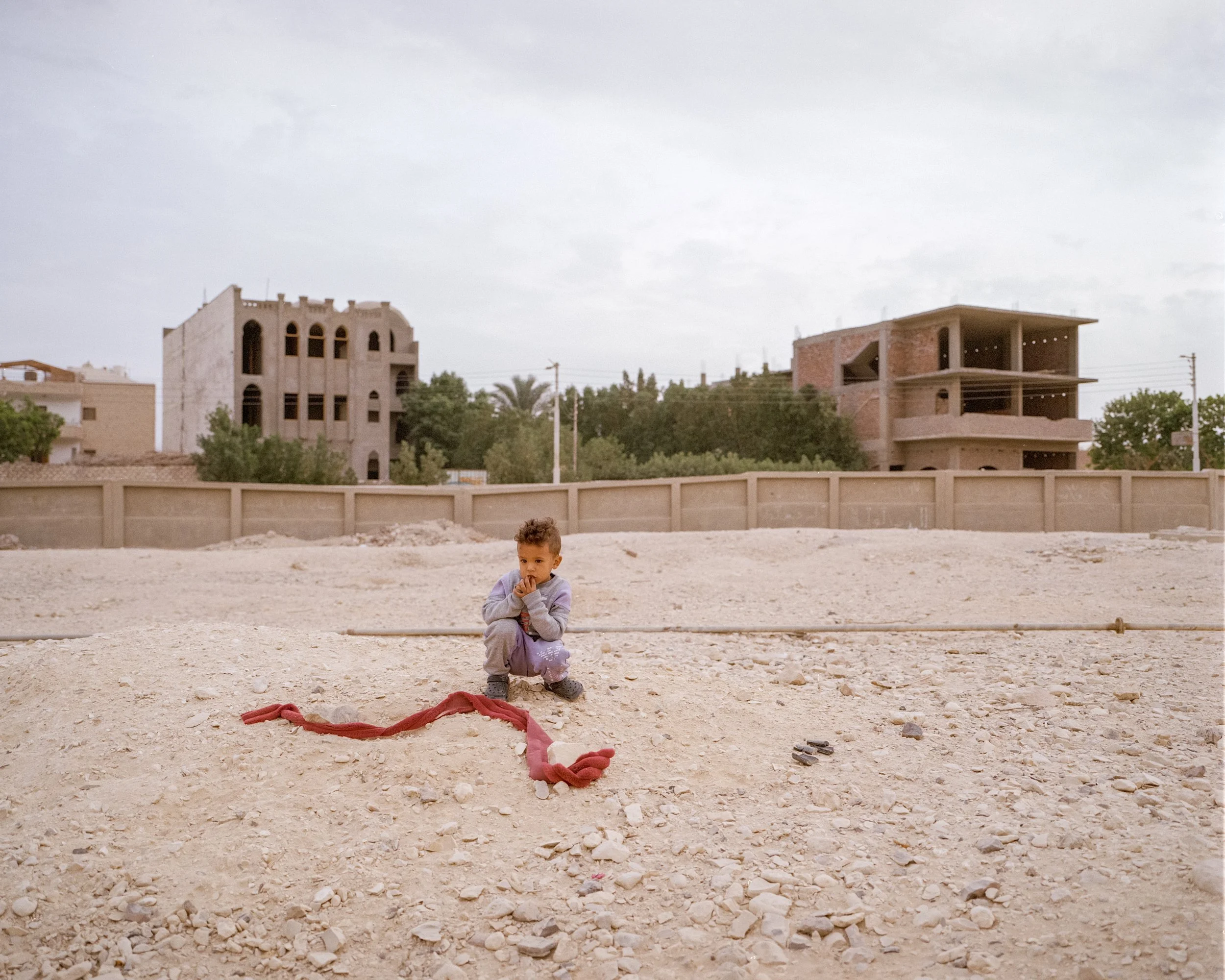
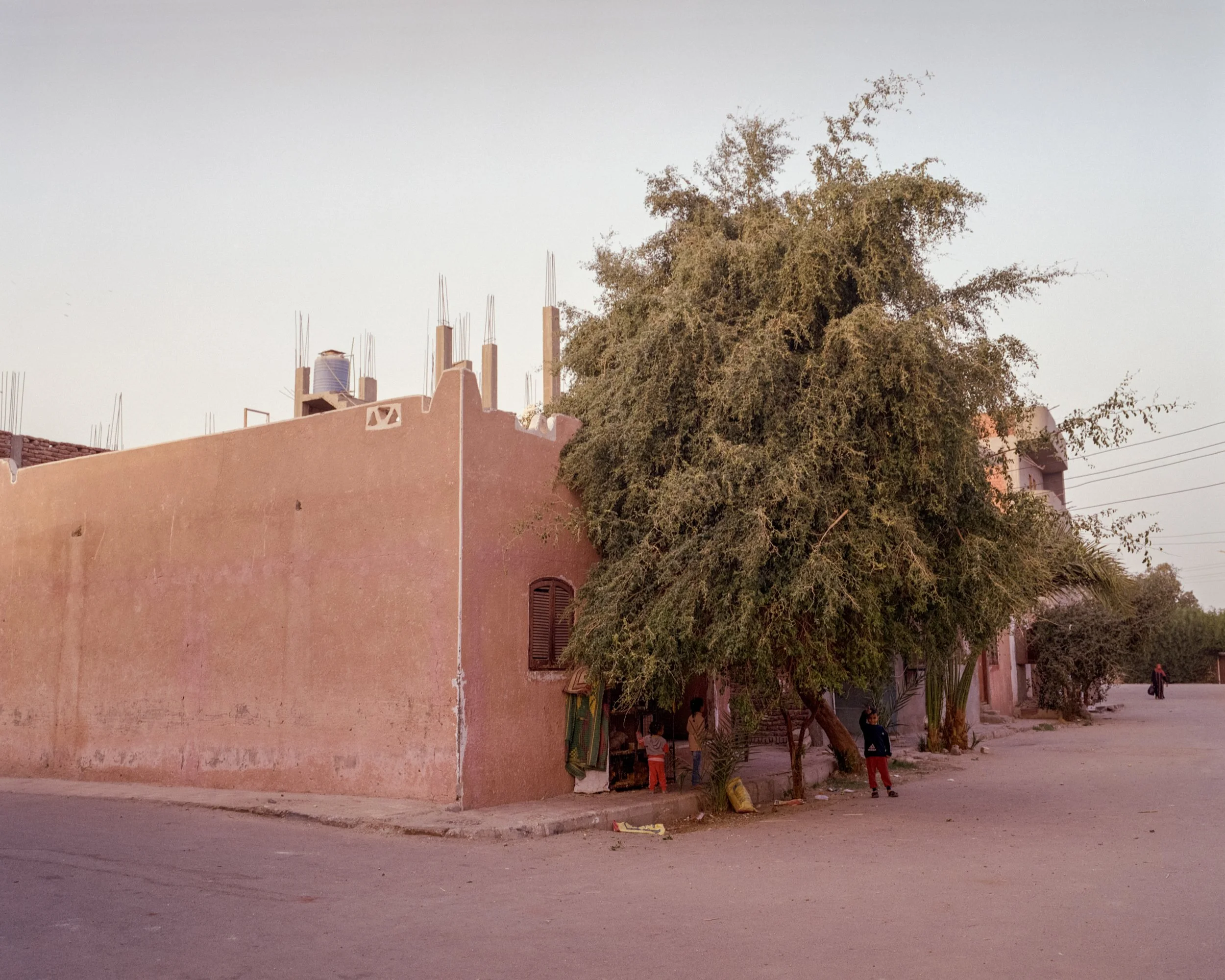
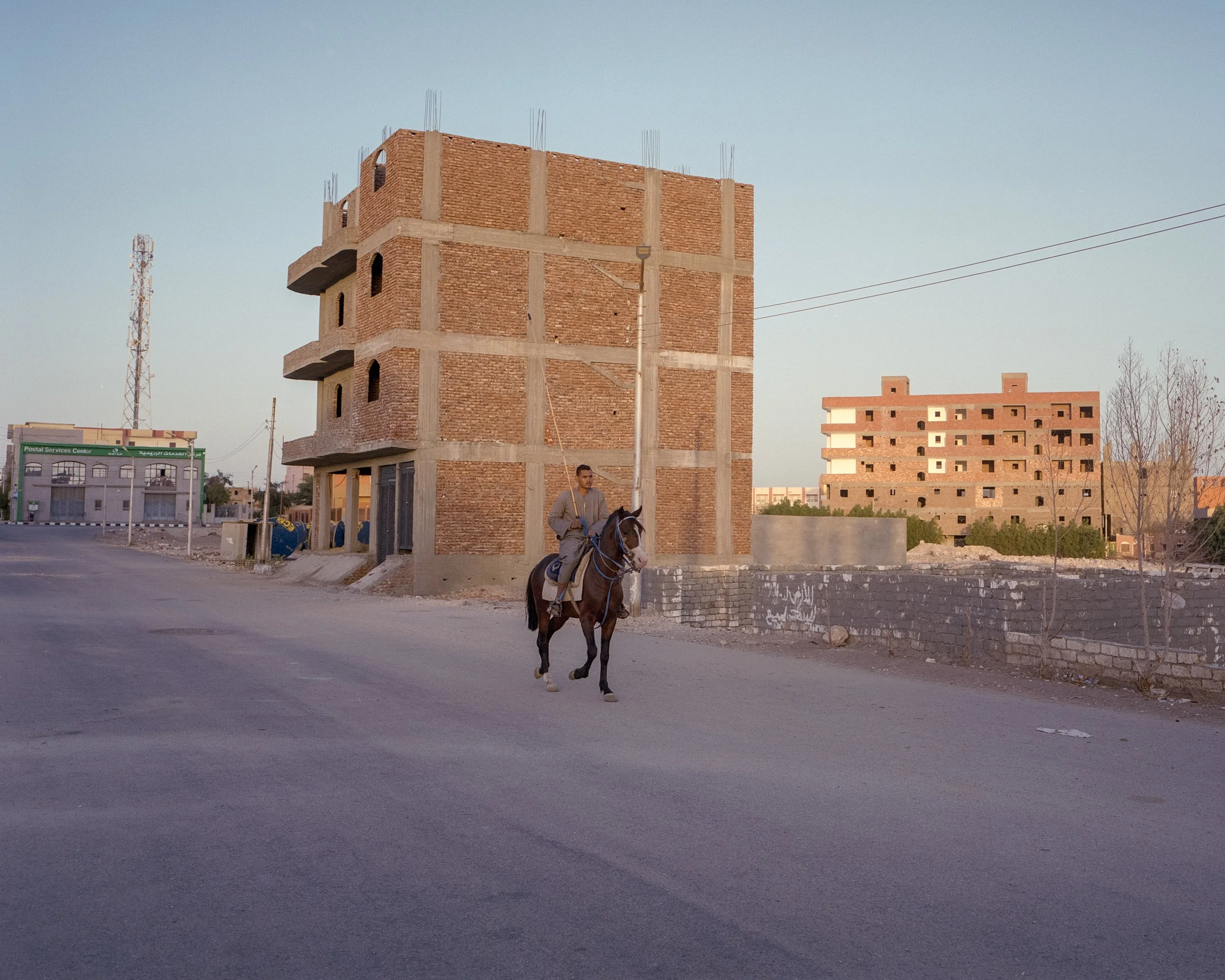
This photographic project follows the Qurnawi community both on the excavation and in New Qurna, the settlement where they were relocated. While their houses now stand on the desert plain, many continue to spend their days on the slopes of El-Khokha, working only meters from the remains of their former homes. In the new village, houses stand in neat rows far from the cliffs where generations once lived.
The project explores the intersection of archaeology, memory, and belonging within a multilayered cultural landscape—a place where a displaced community continues to shape the understanding of a landscape to which it remains deeply connected.
2026 — Luxor, Egypt