Blue Memoir
ISSUE 2 — Relearning to live with water again
2024—2026
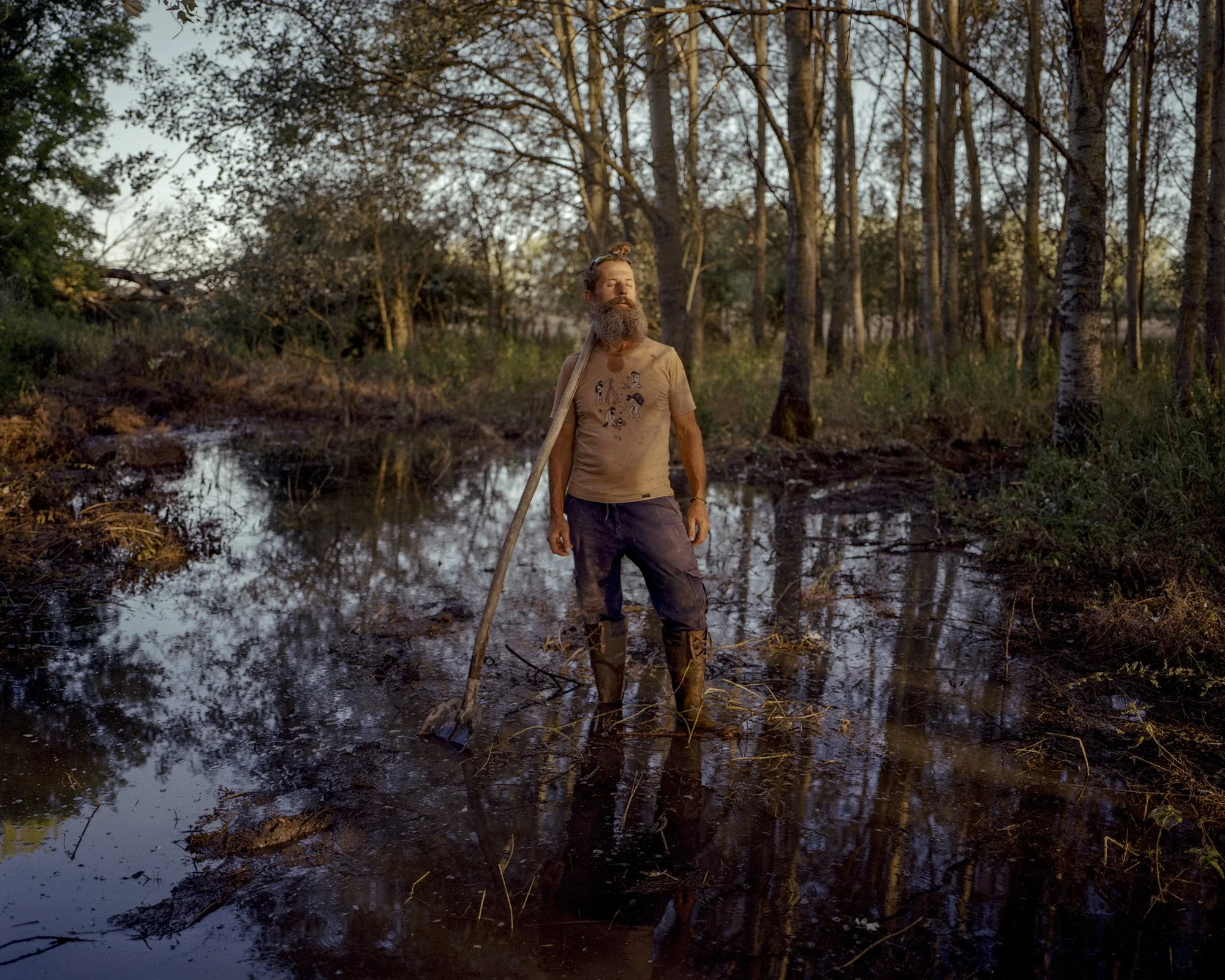
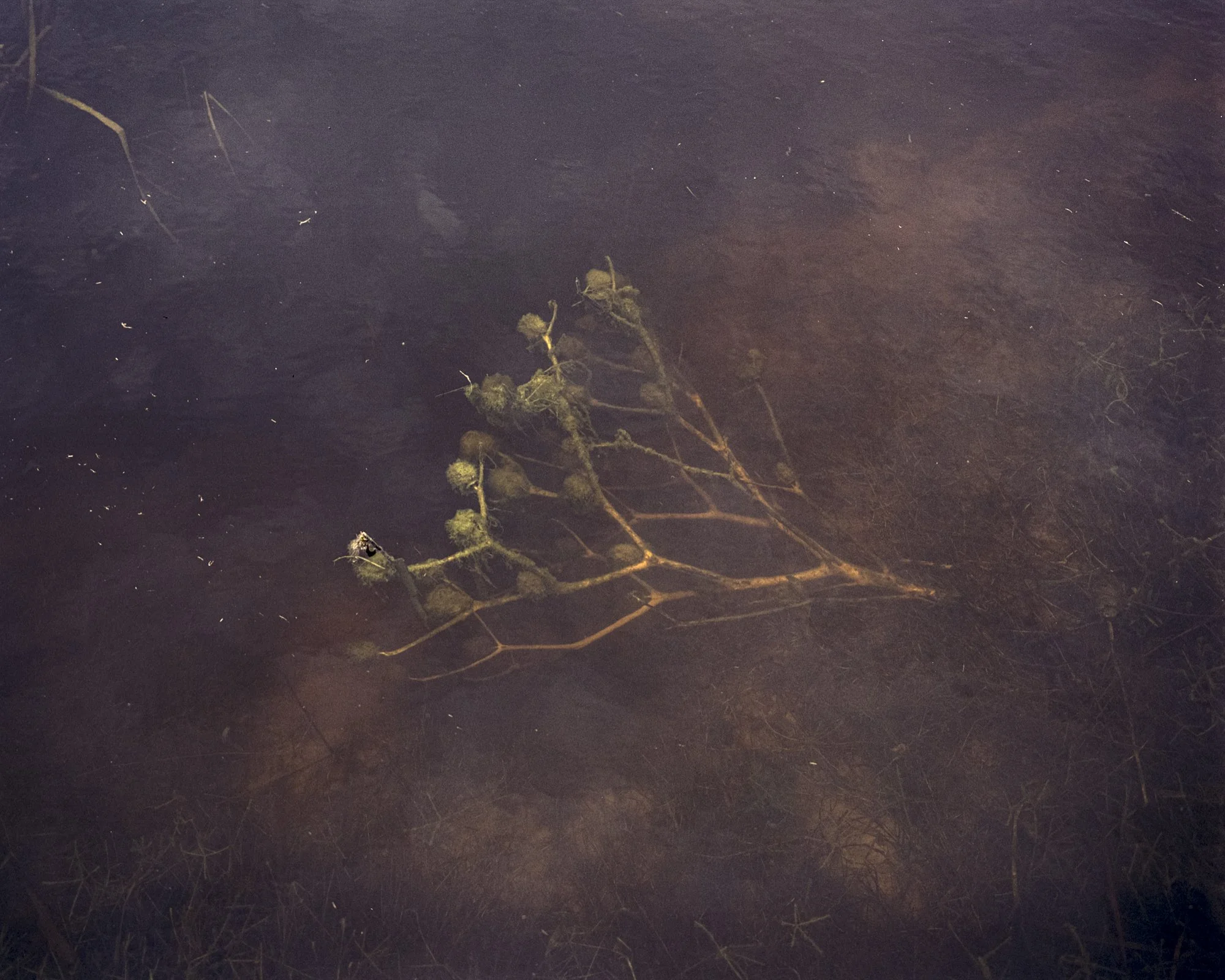
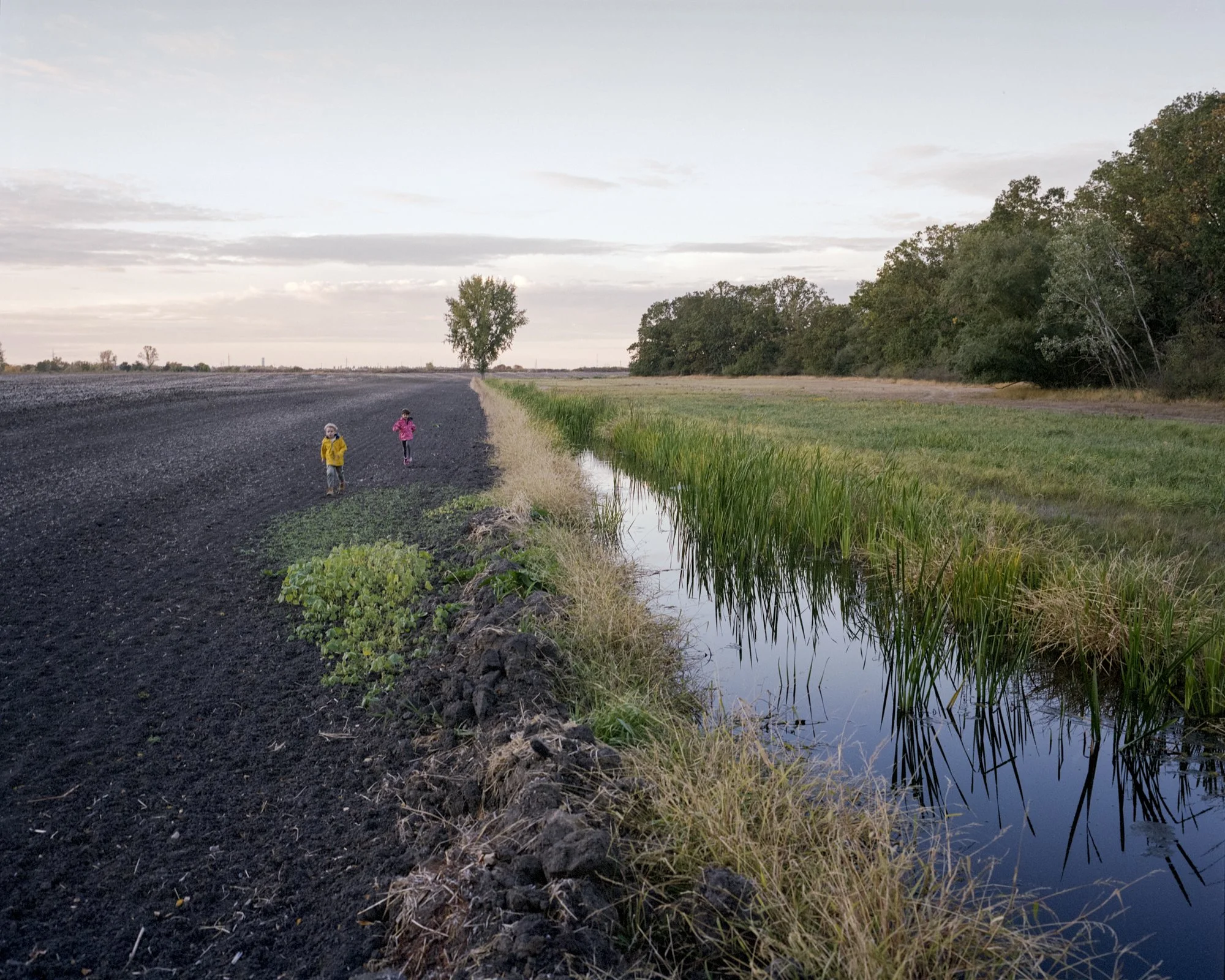
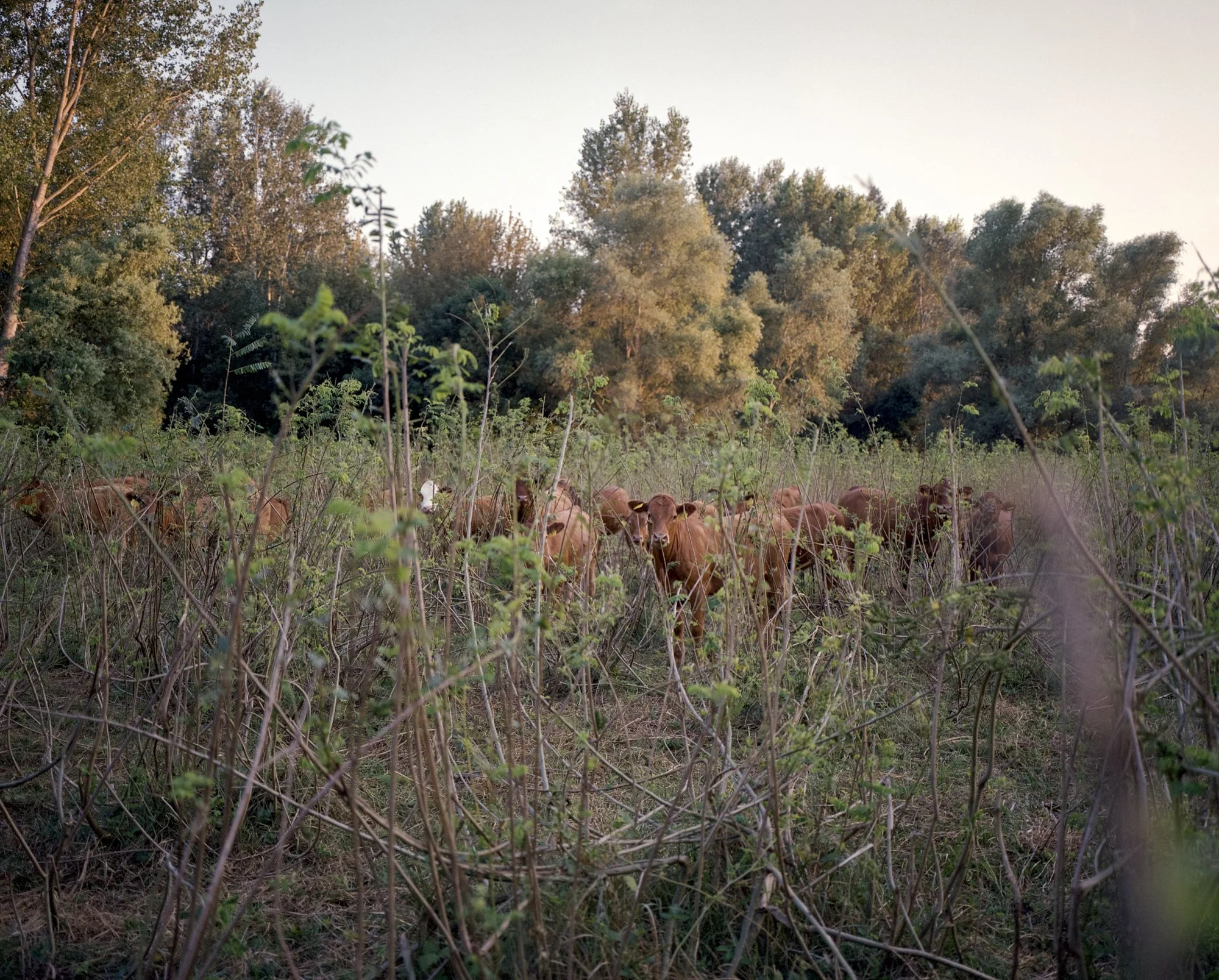
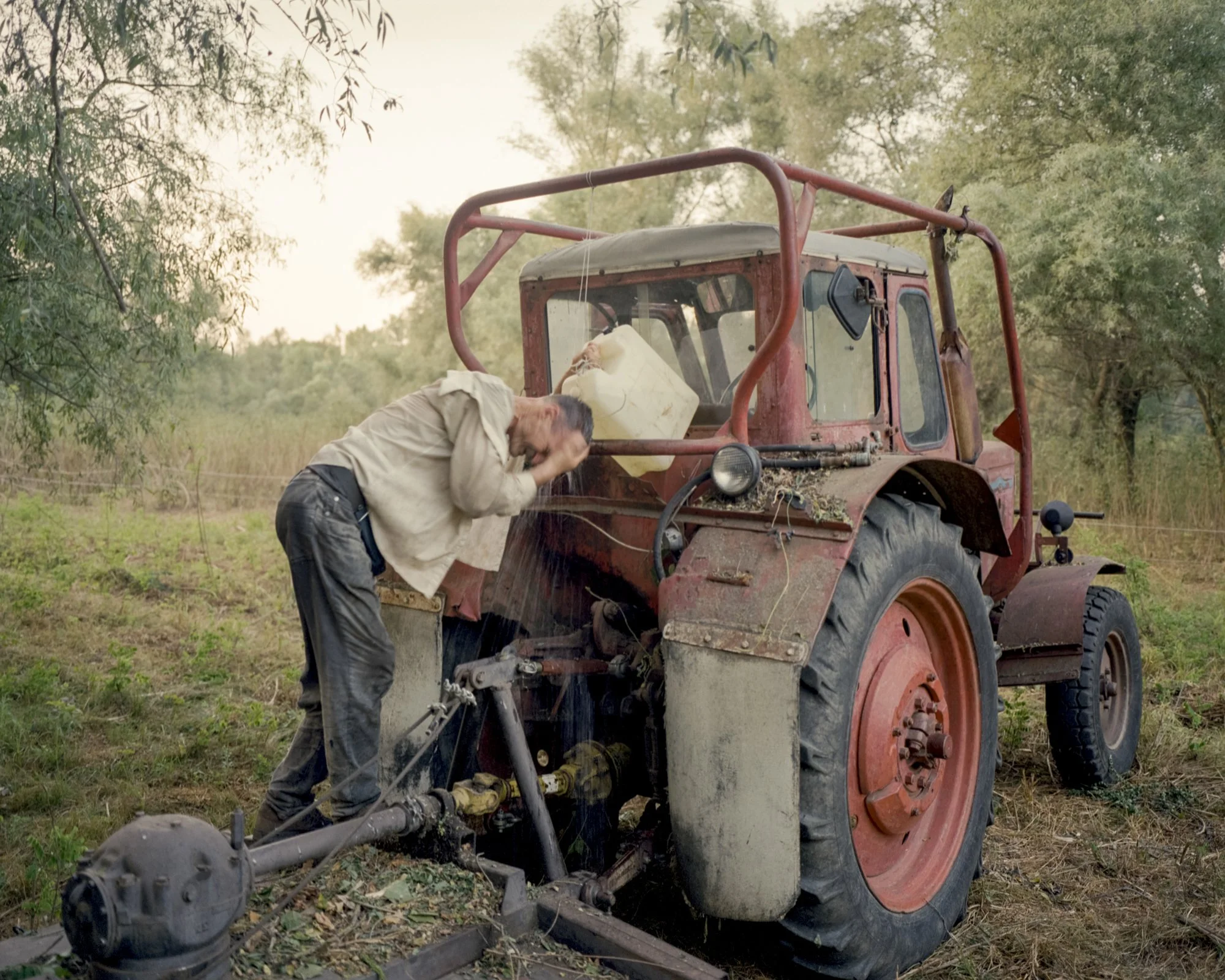
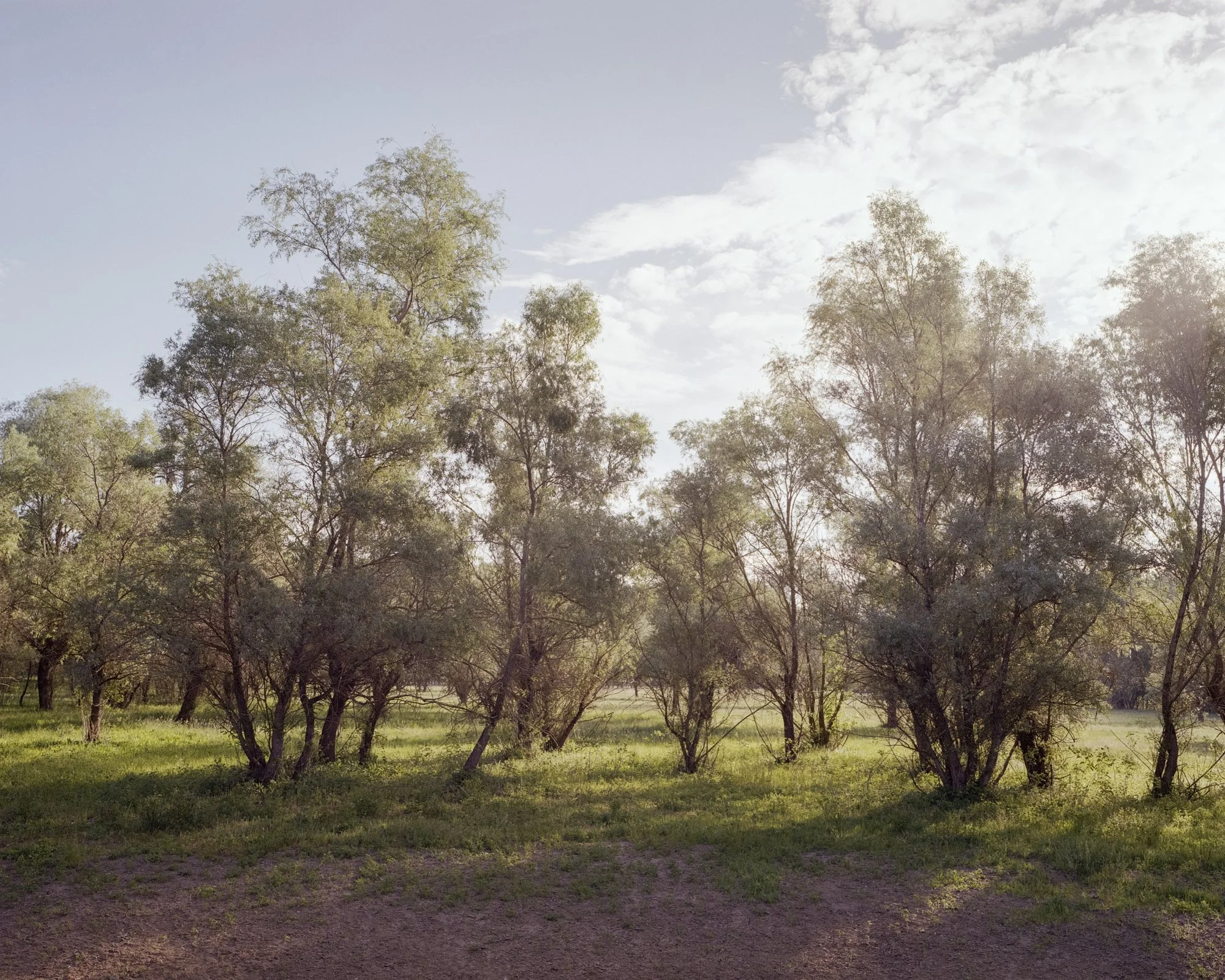
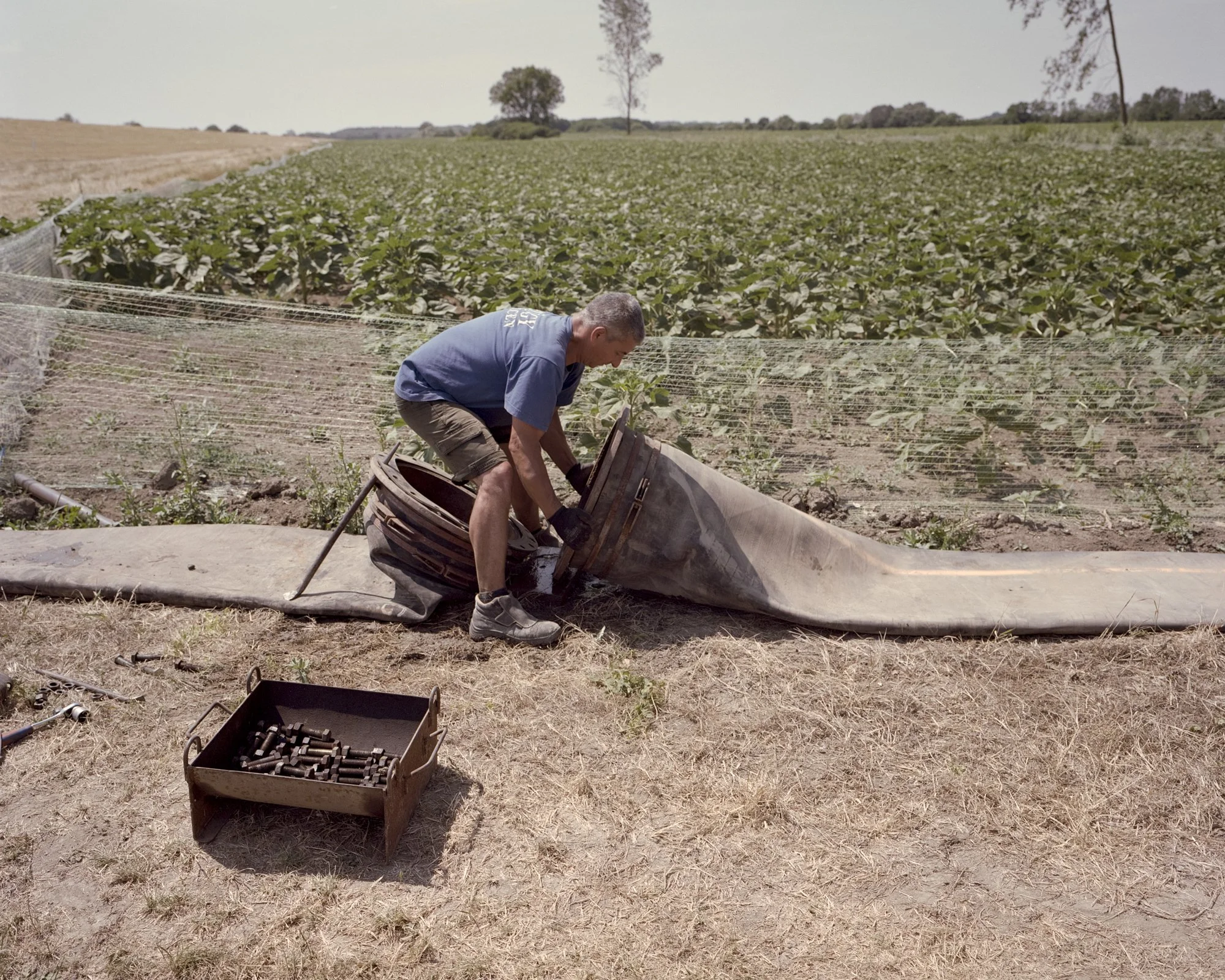
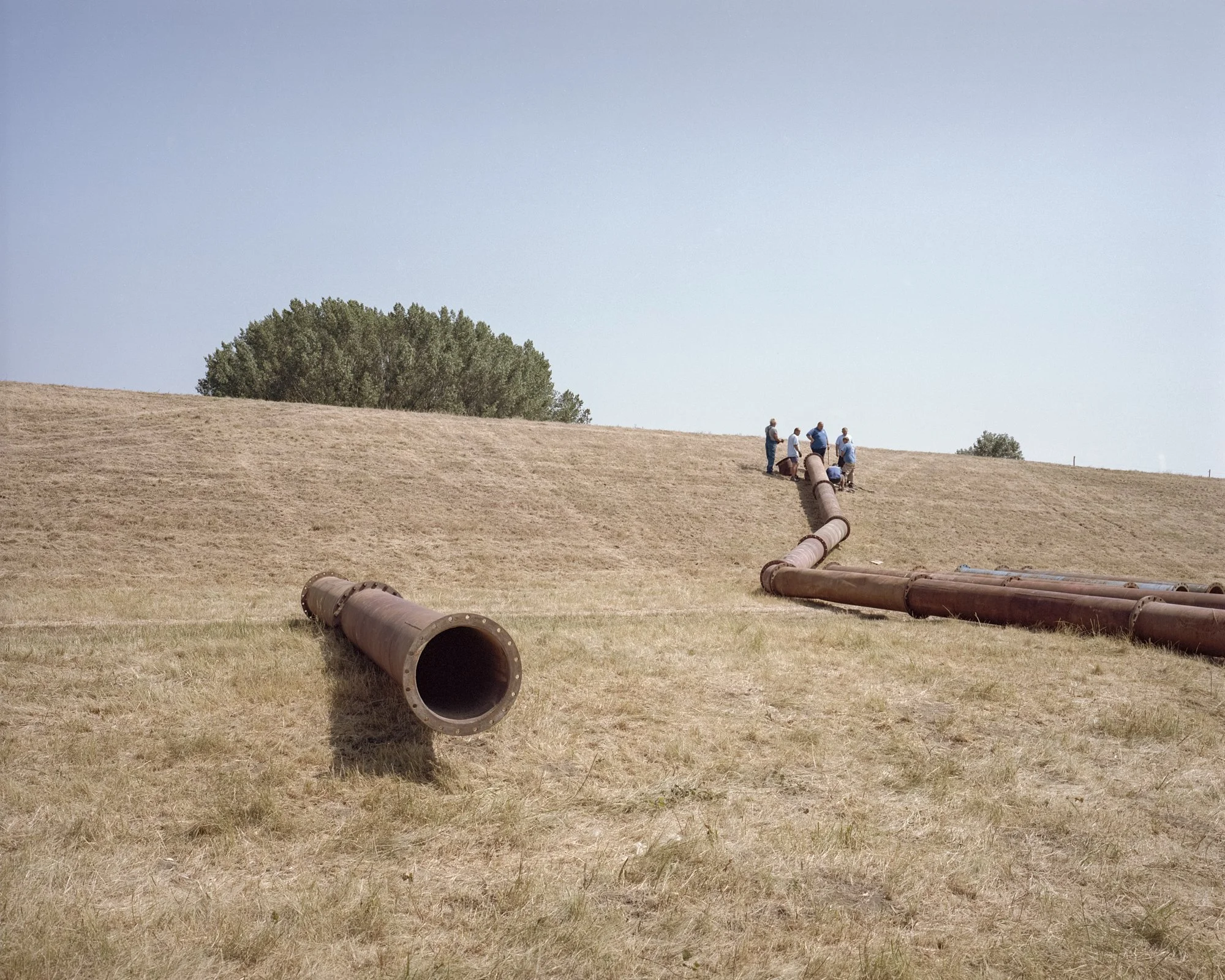
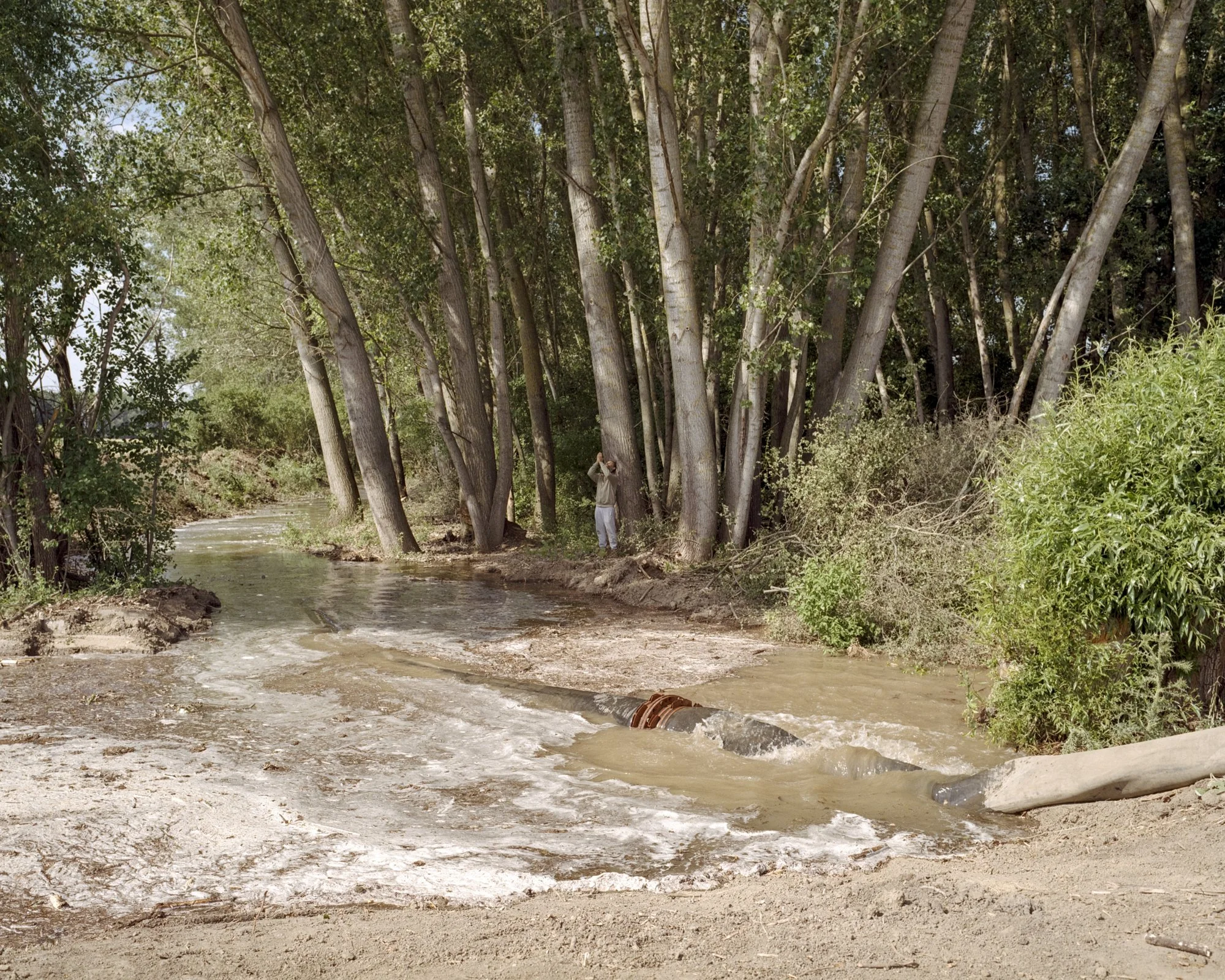
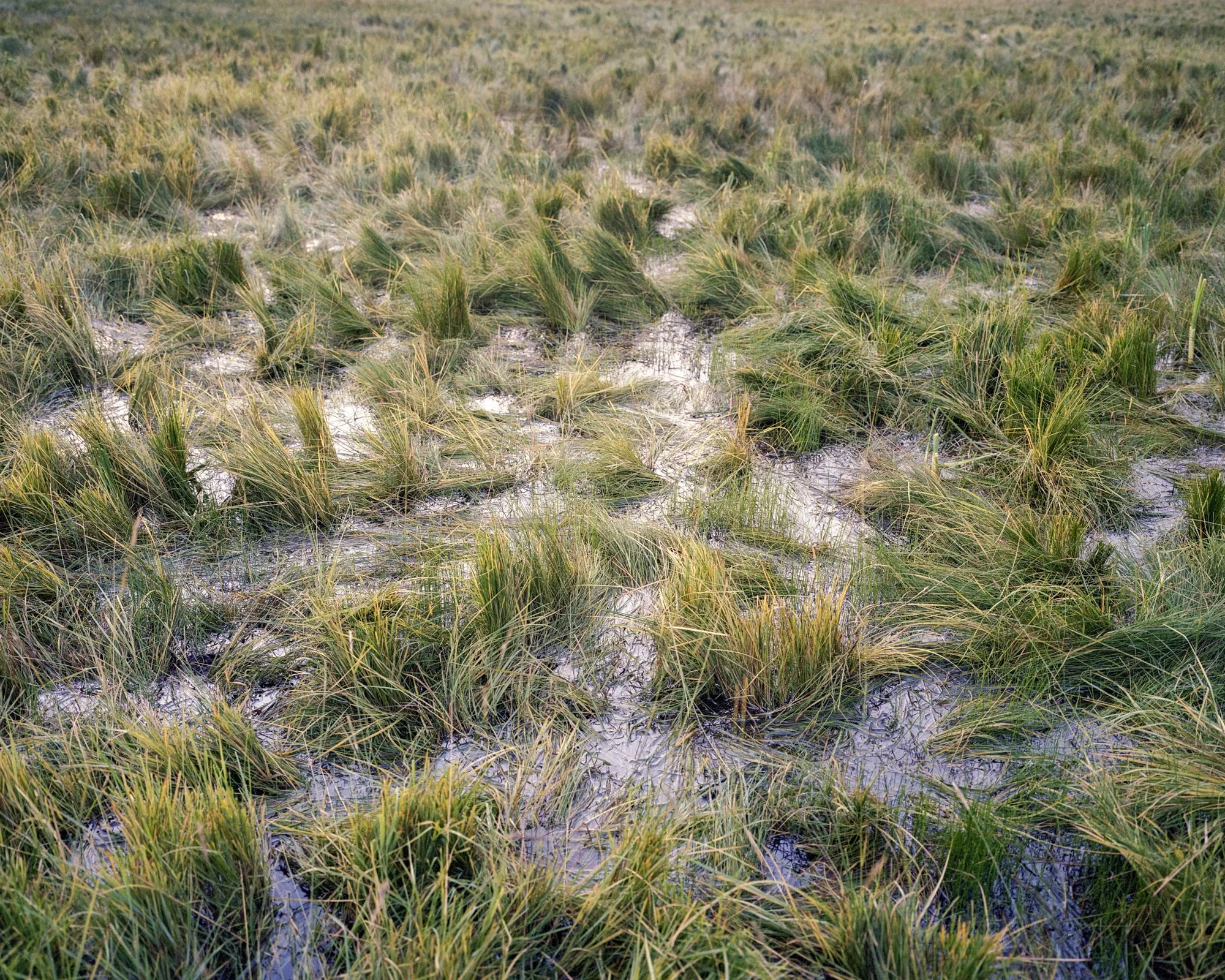
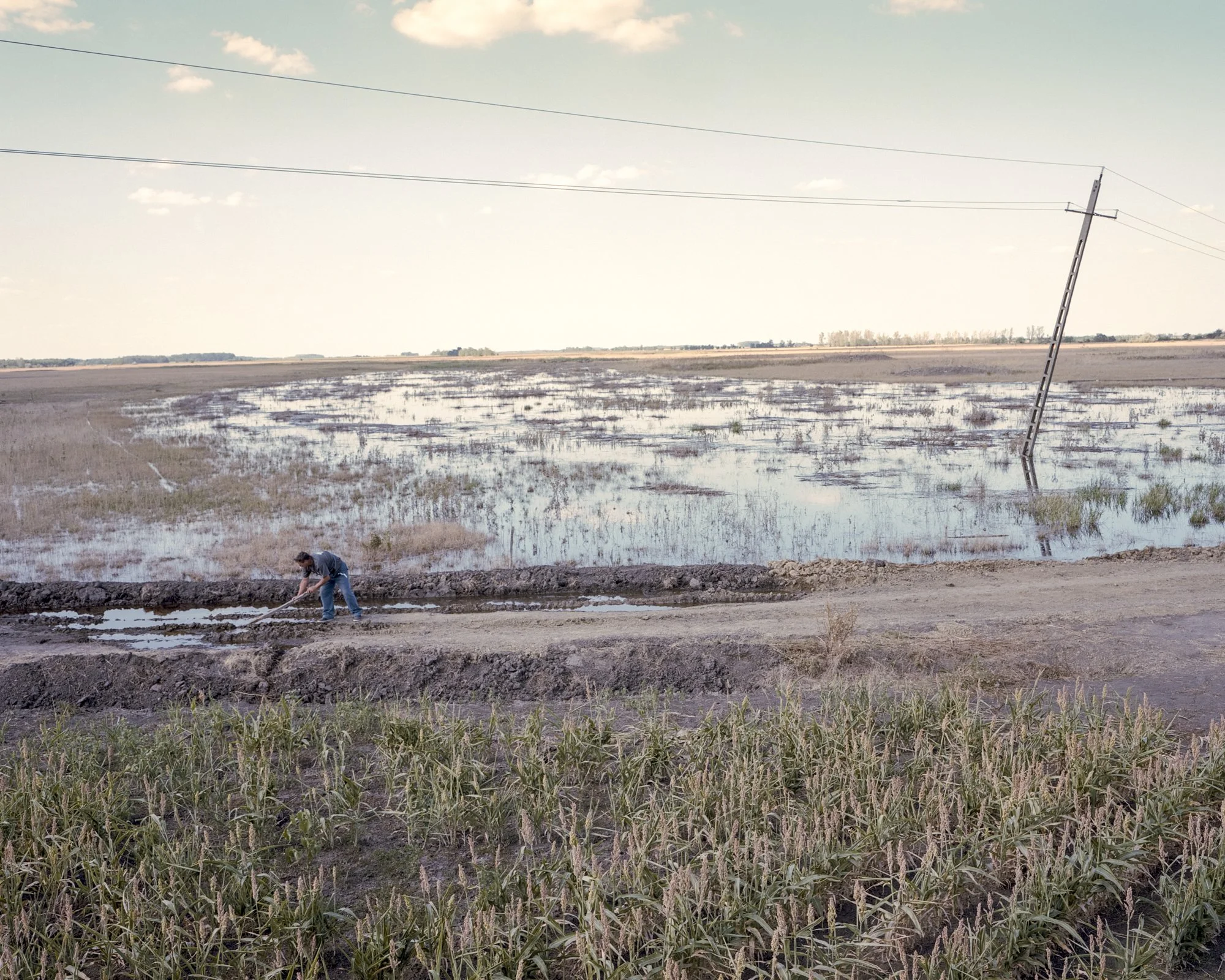
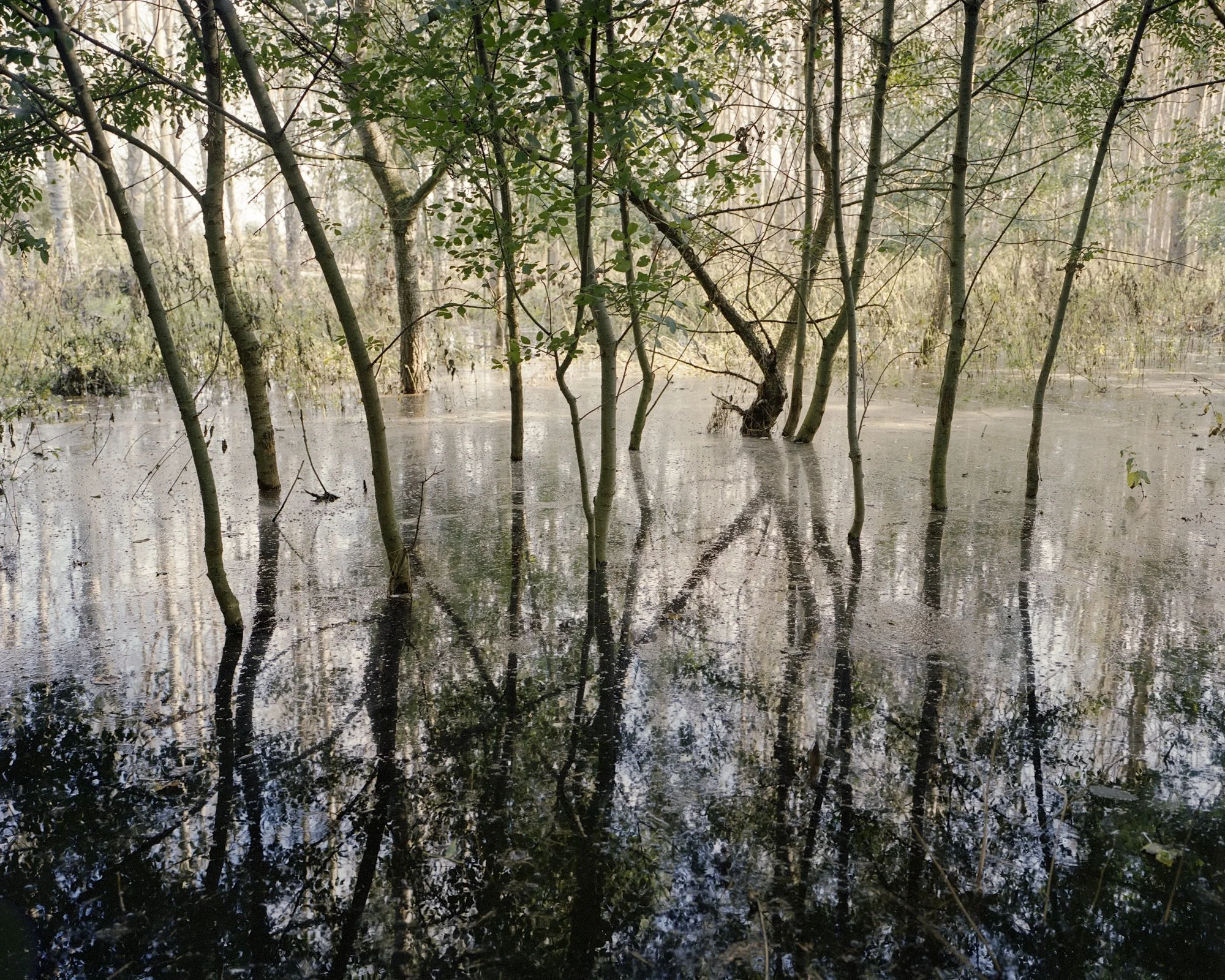
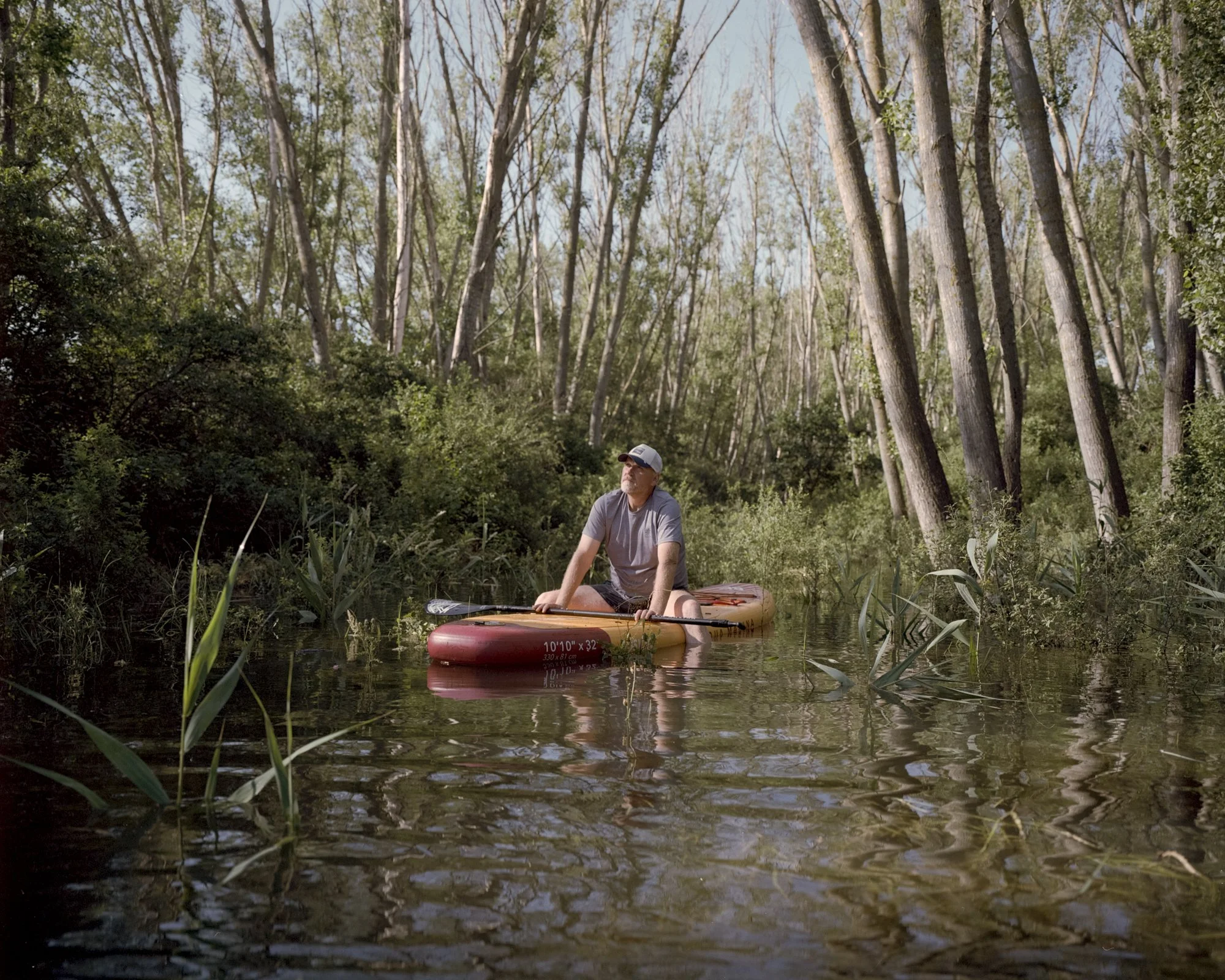
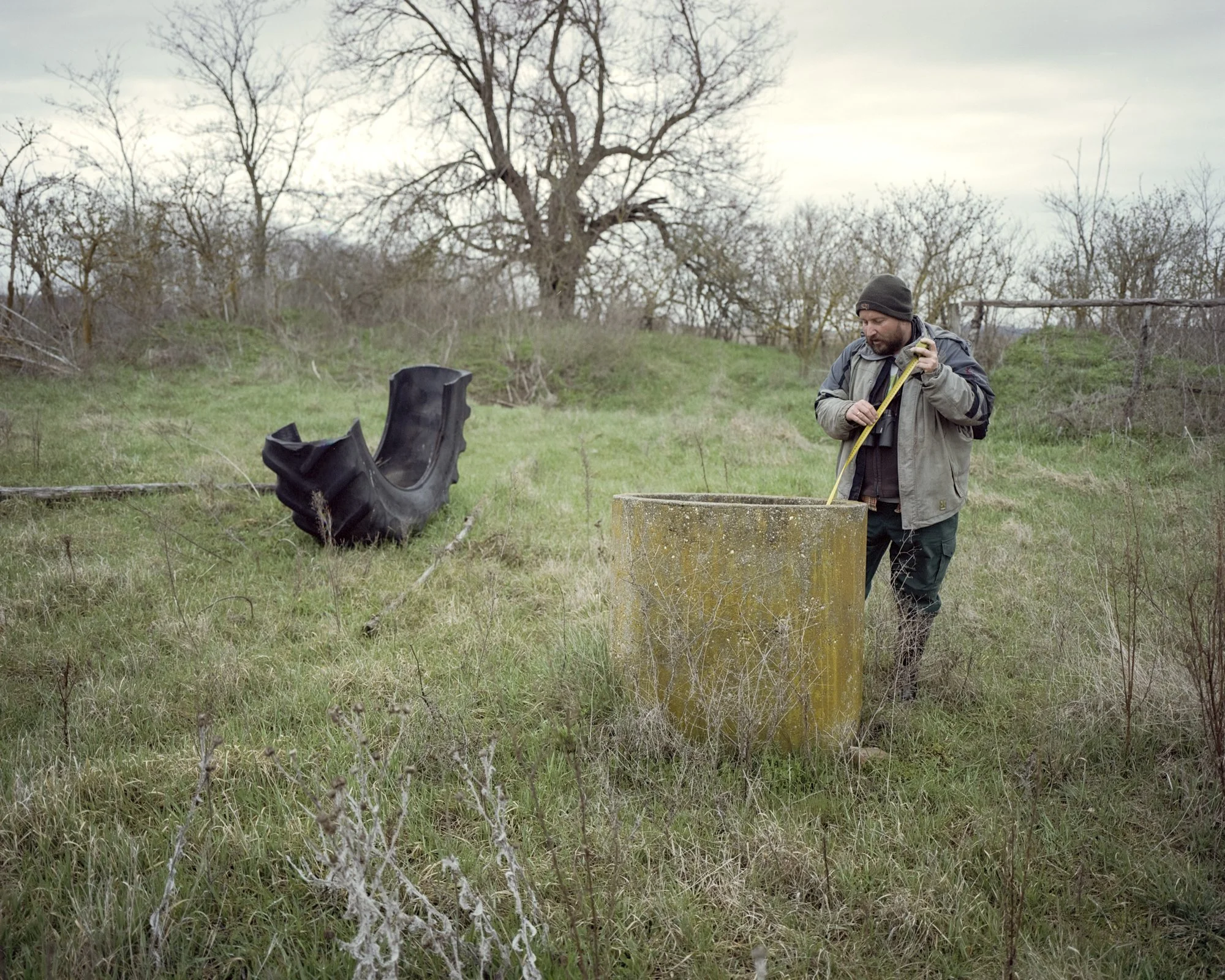
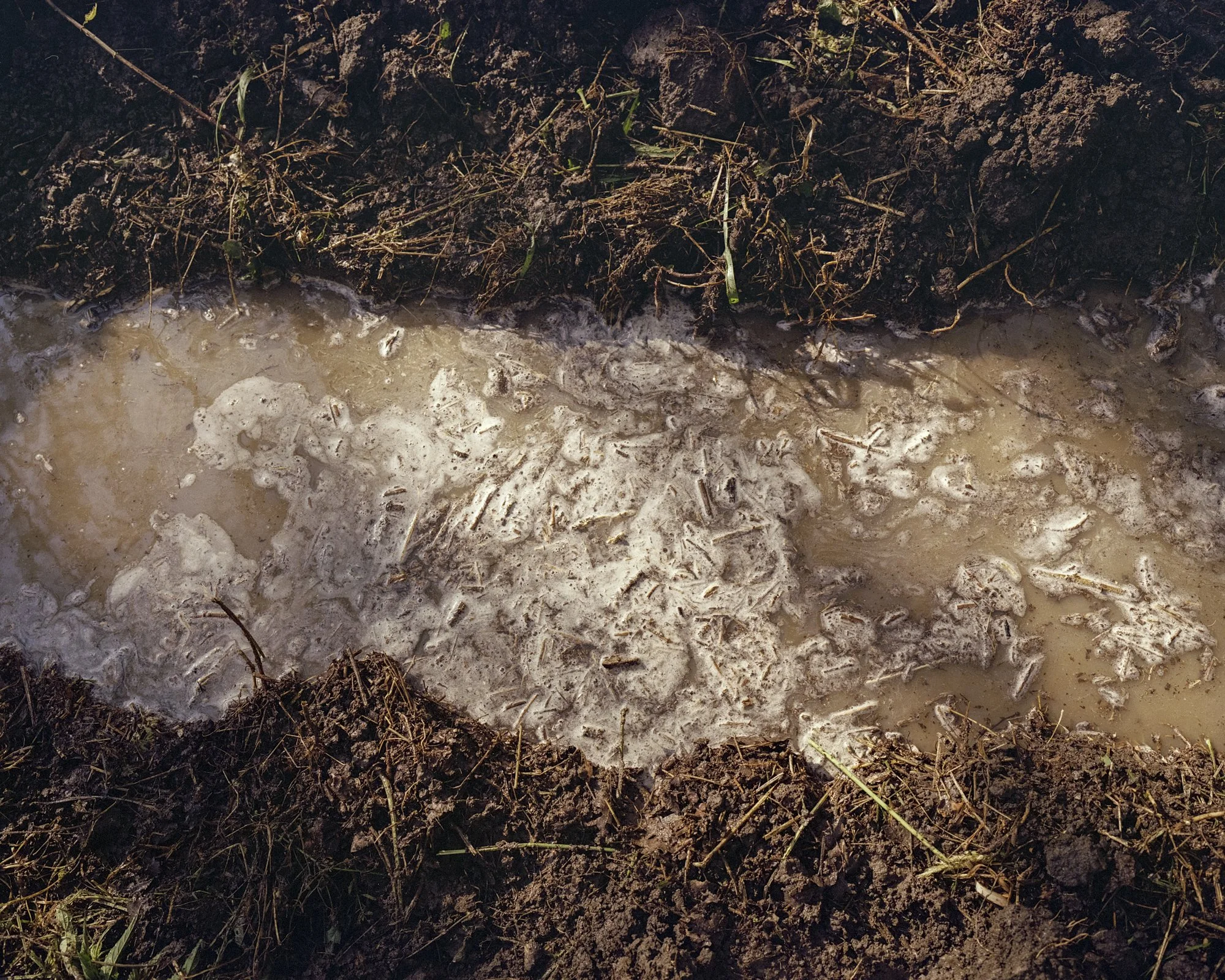
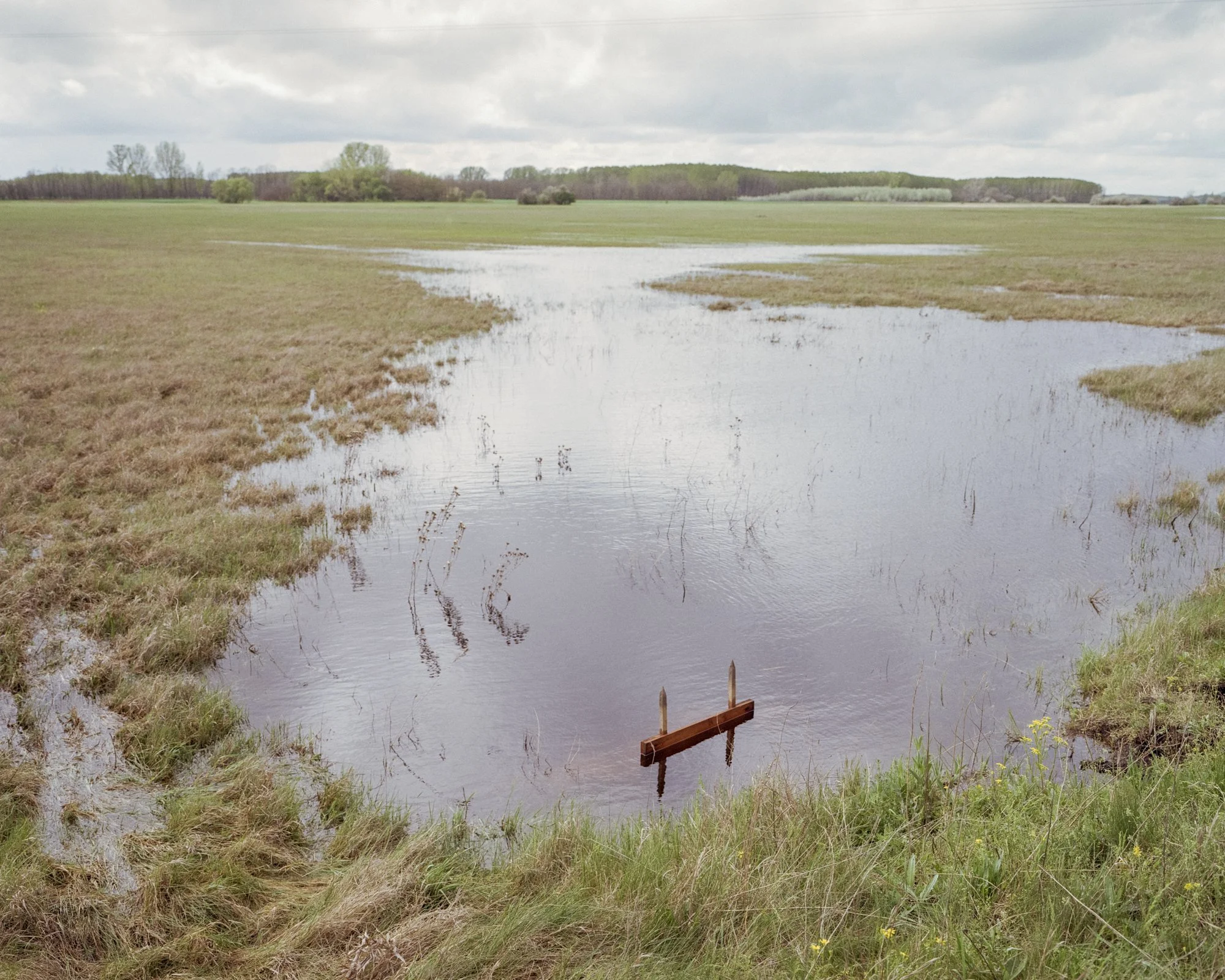
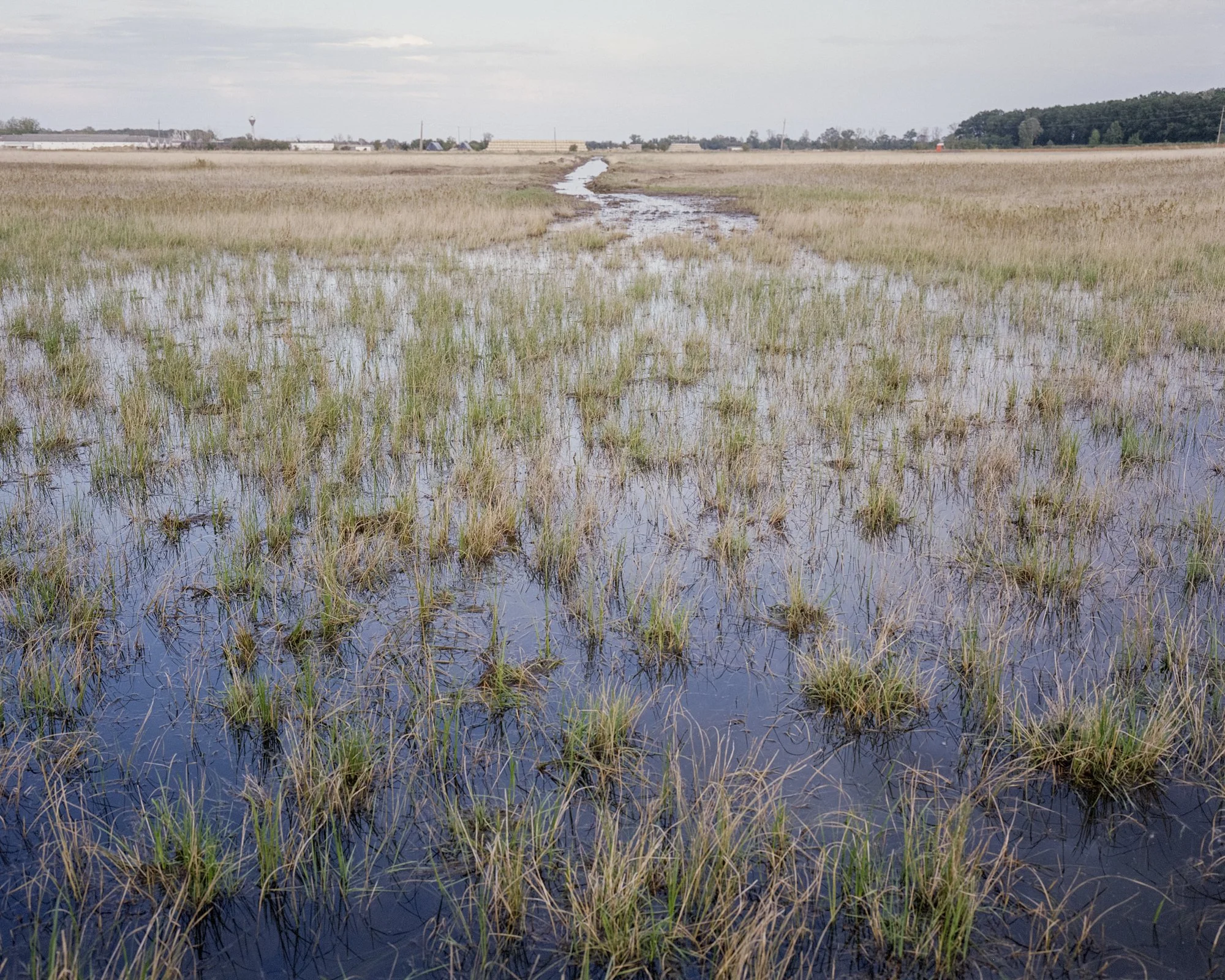
Blue Memoir, a visual diary that András Zoltai has been developing since 2022, explores the changing relationship between people, water, and Hungary's landscape. Growing out of personal memories and documentary observation, the project initially focused on the consequences of water scarcity, drying landscapes and river regulation. Blue Memoir ISSUE I, published in 2023, was the first overview of this ongoing work.
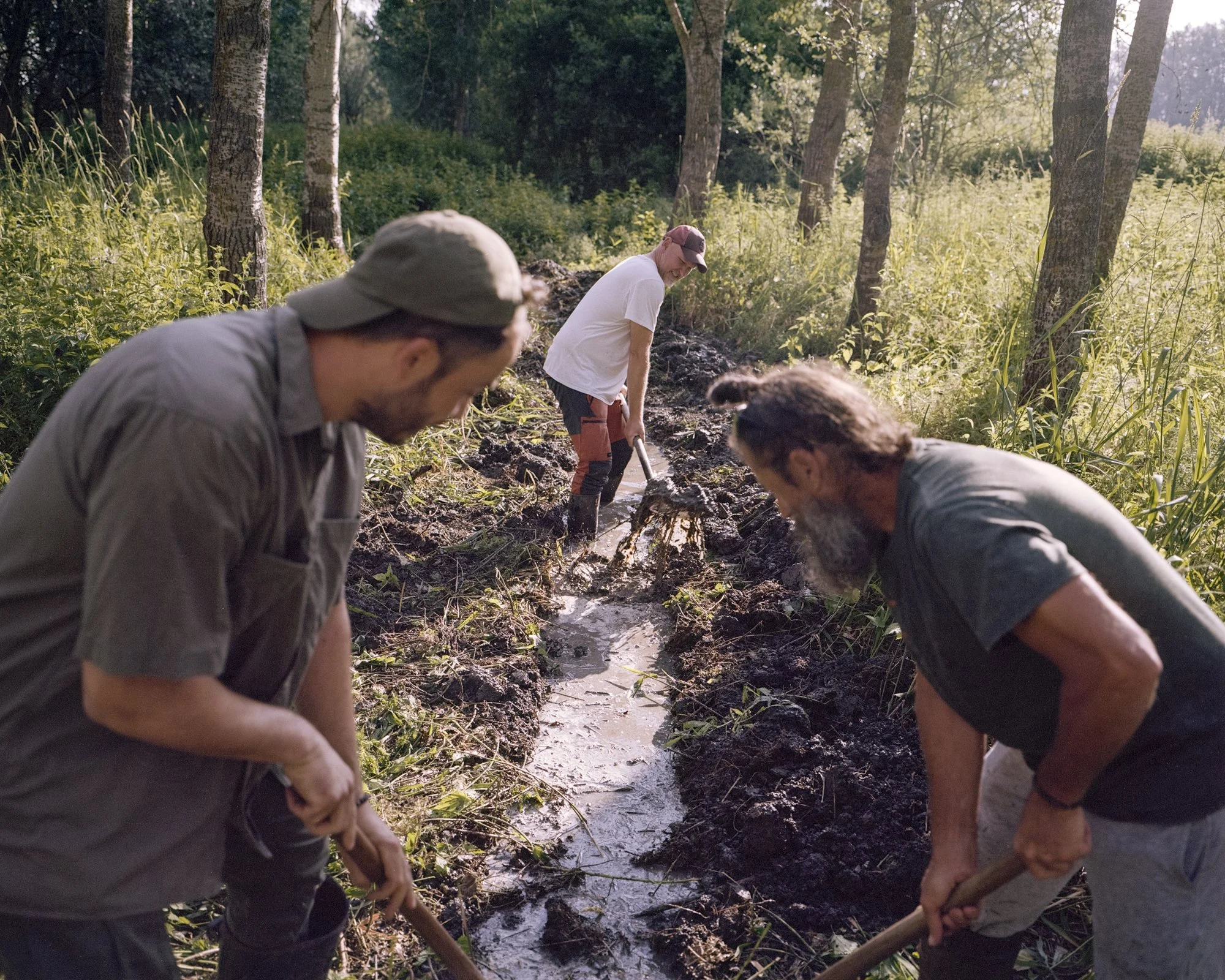
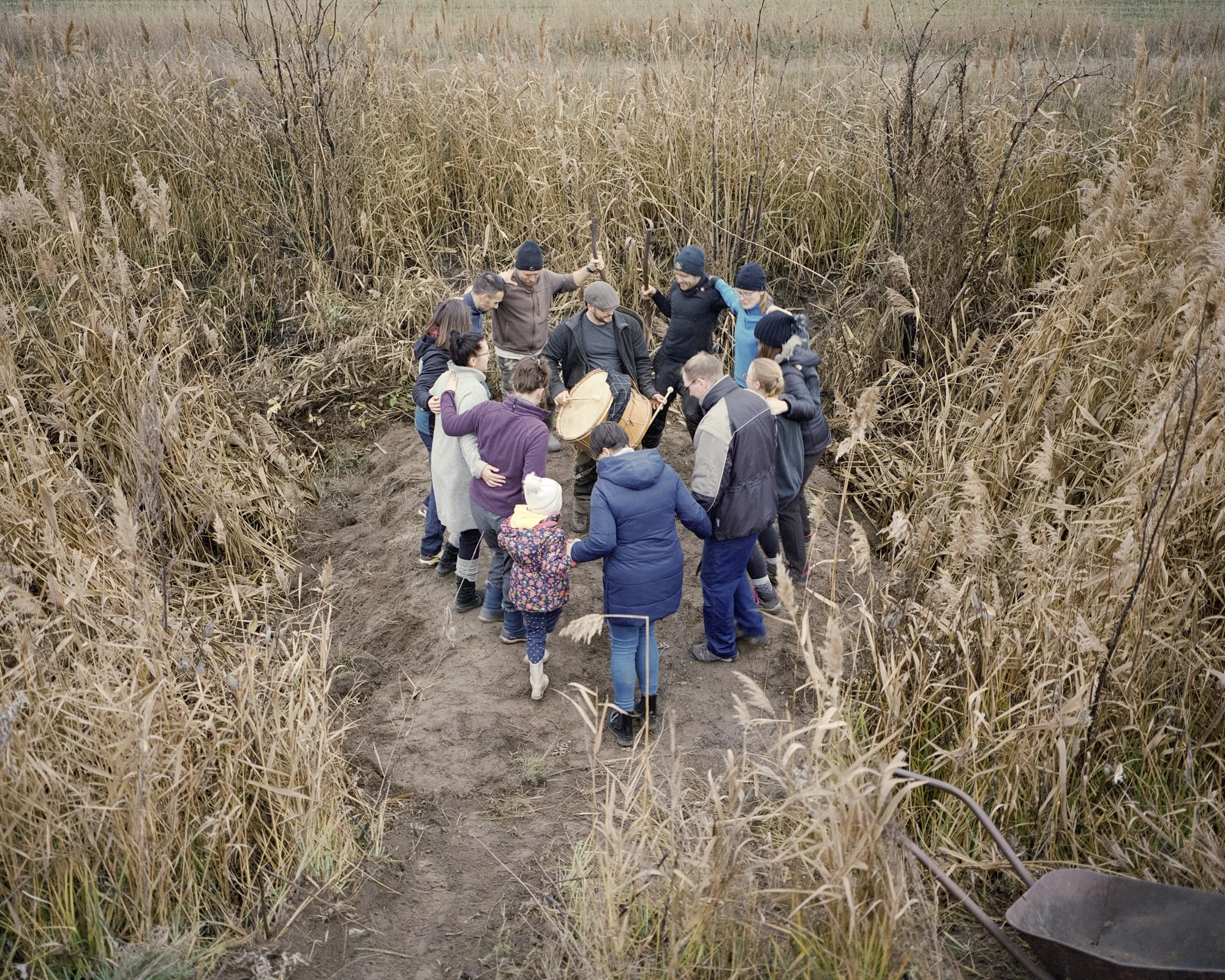
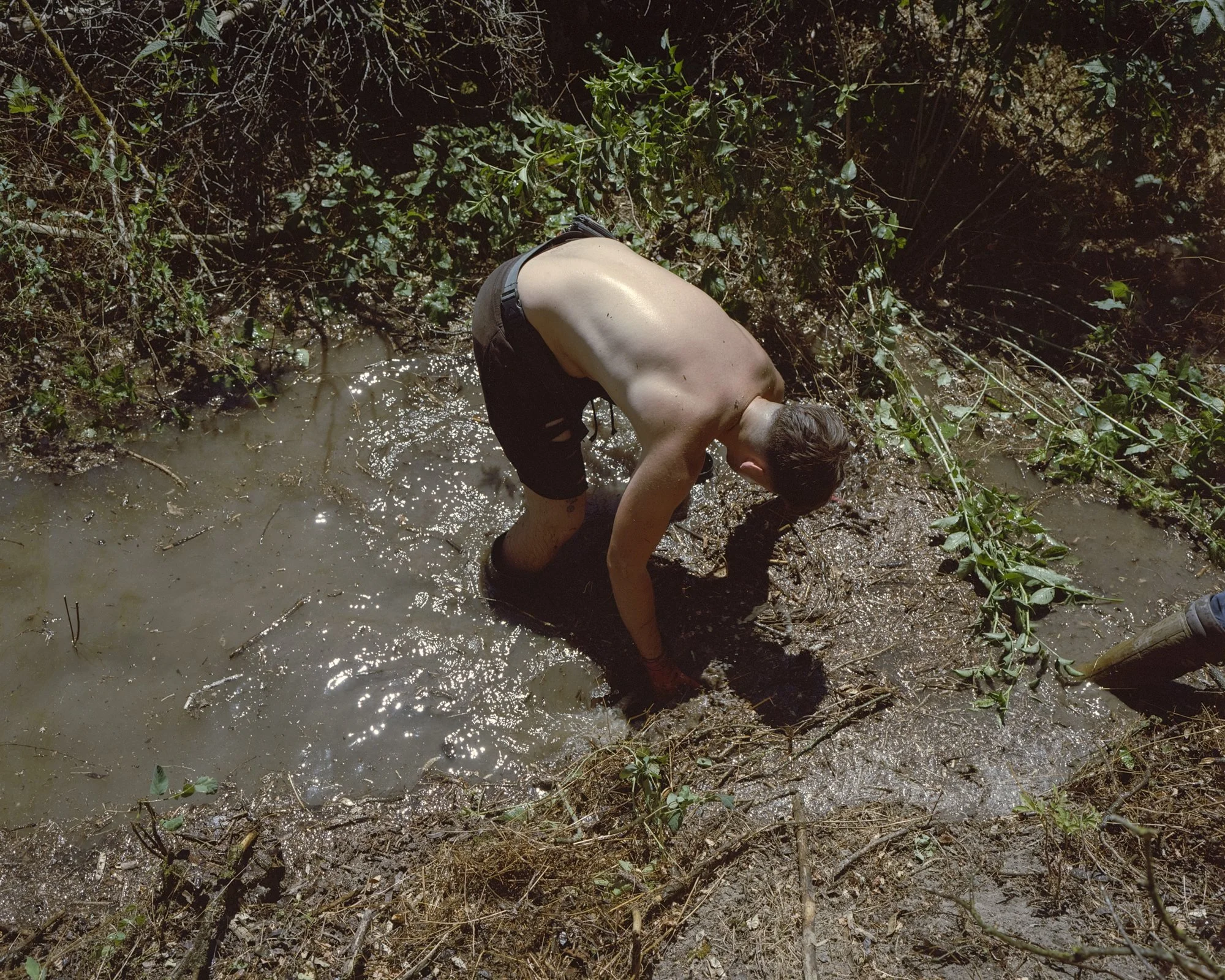
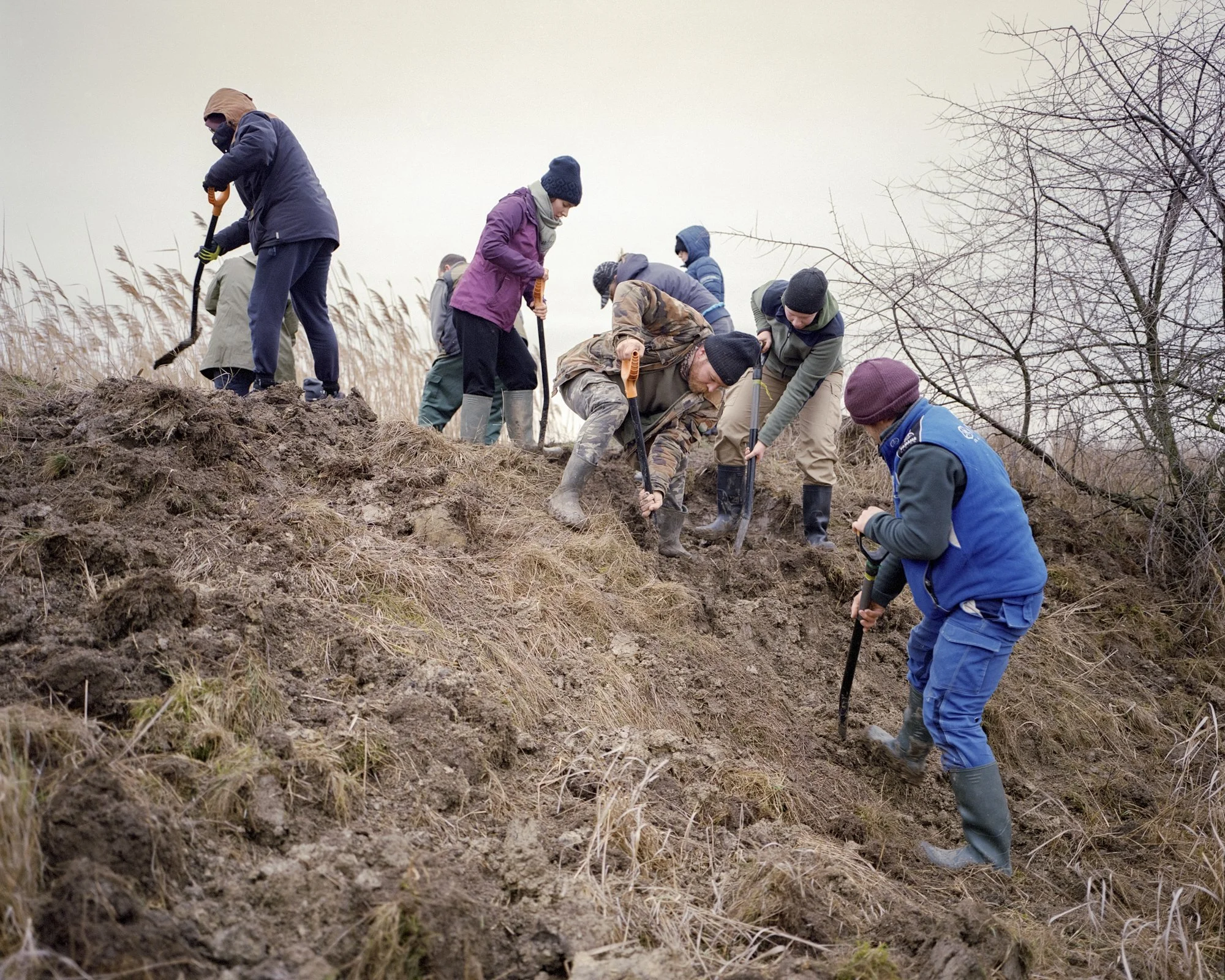
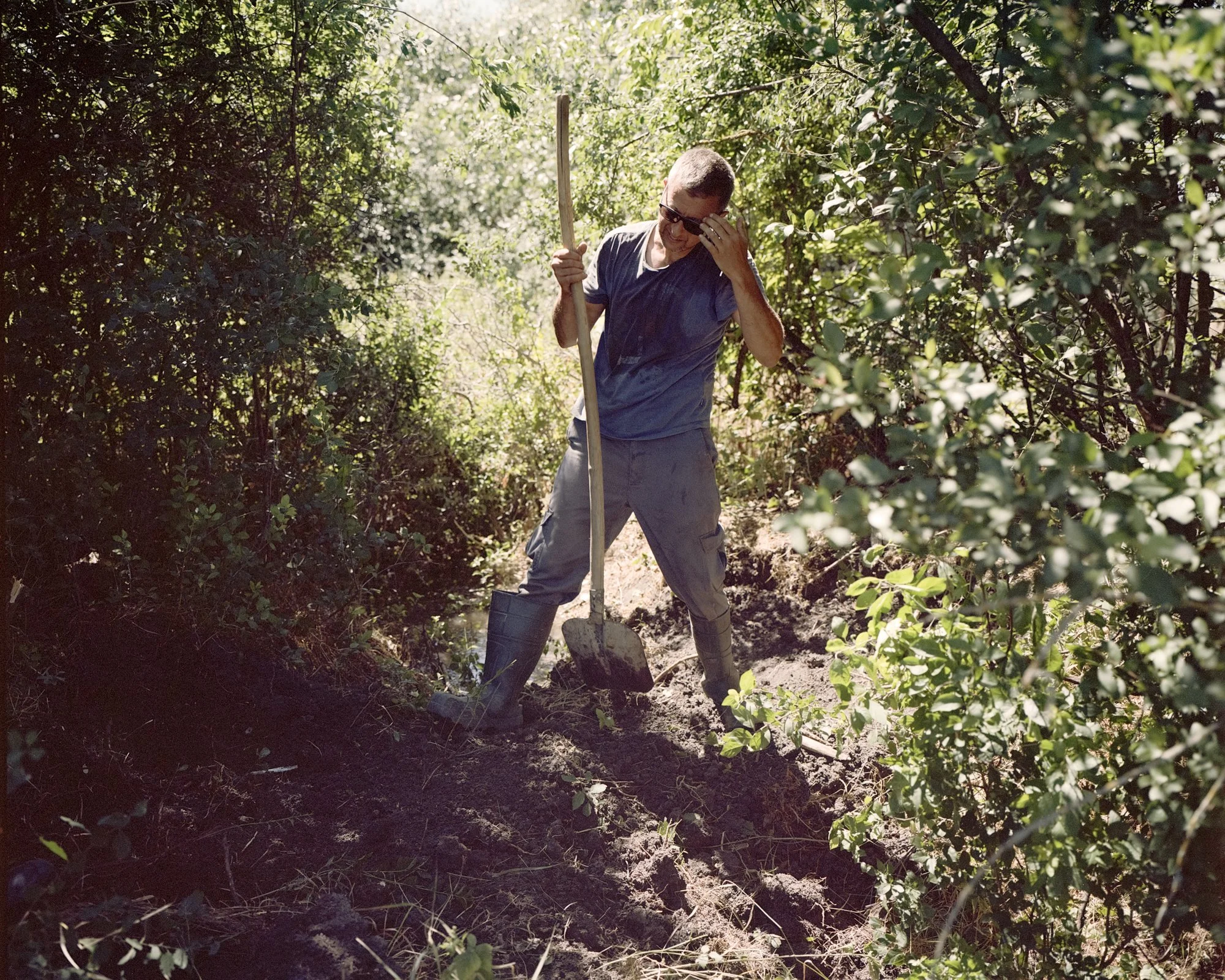
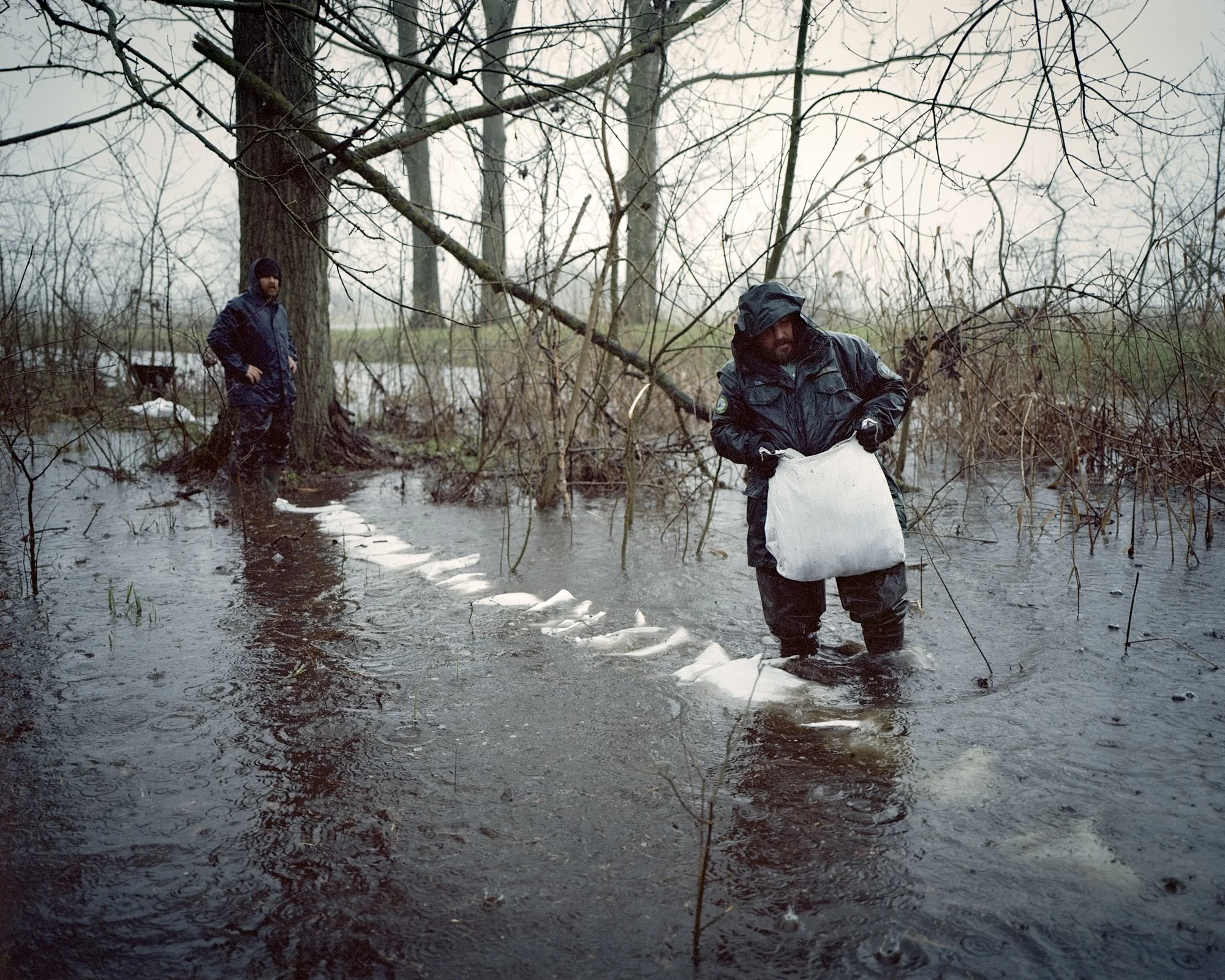
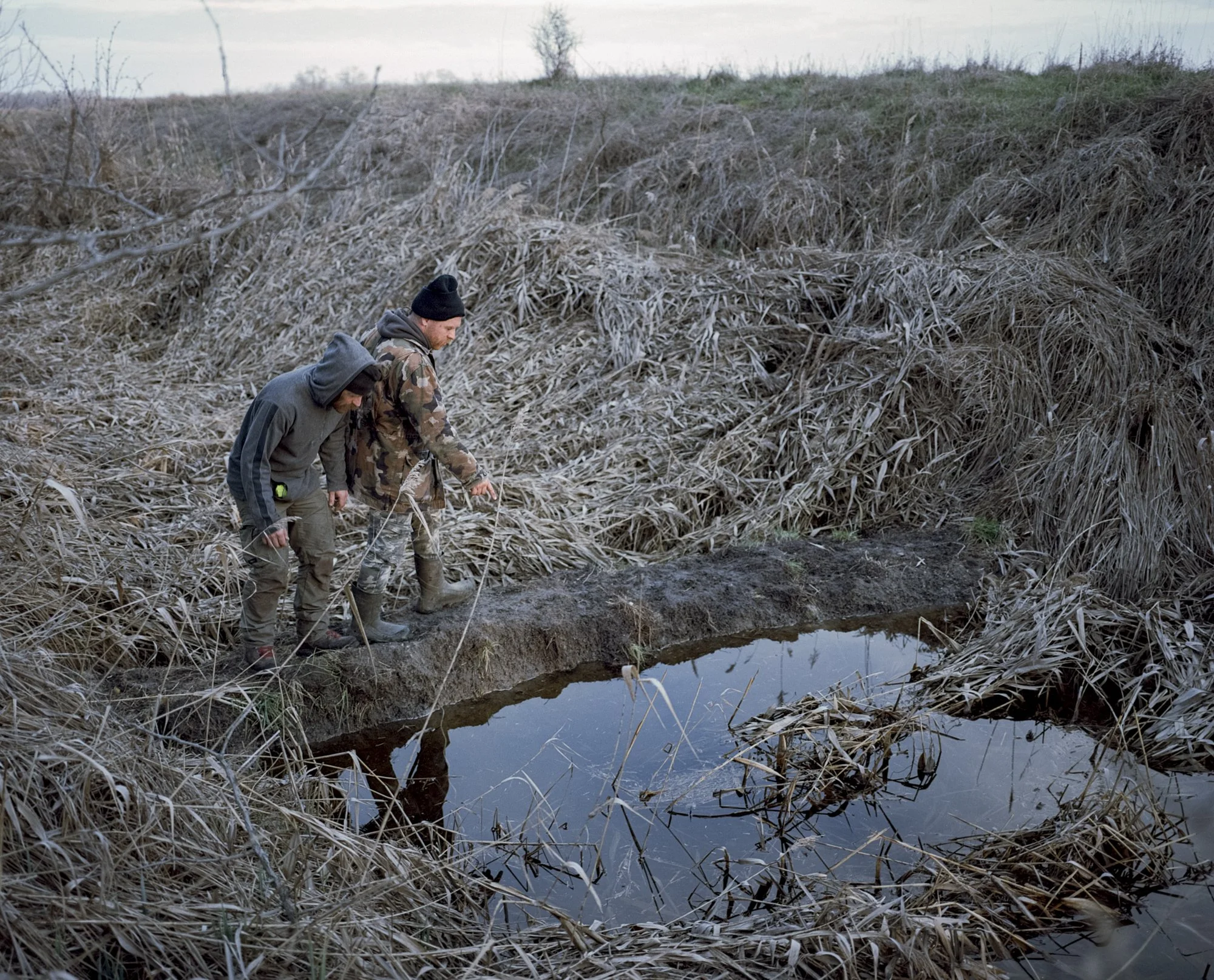
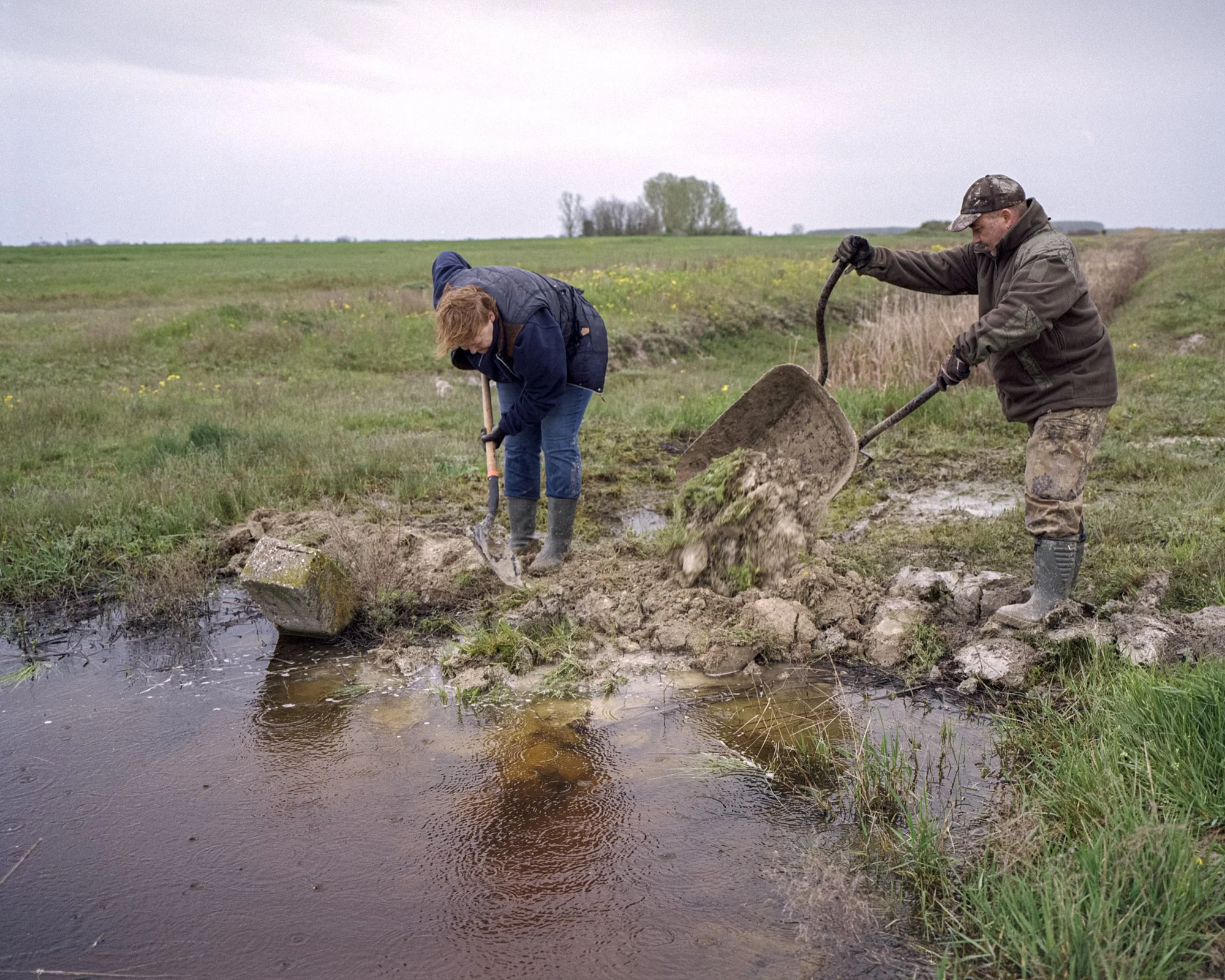
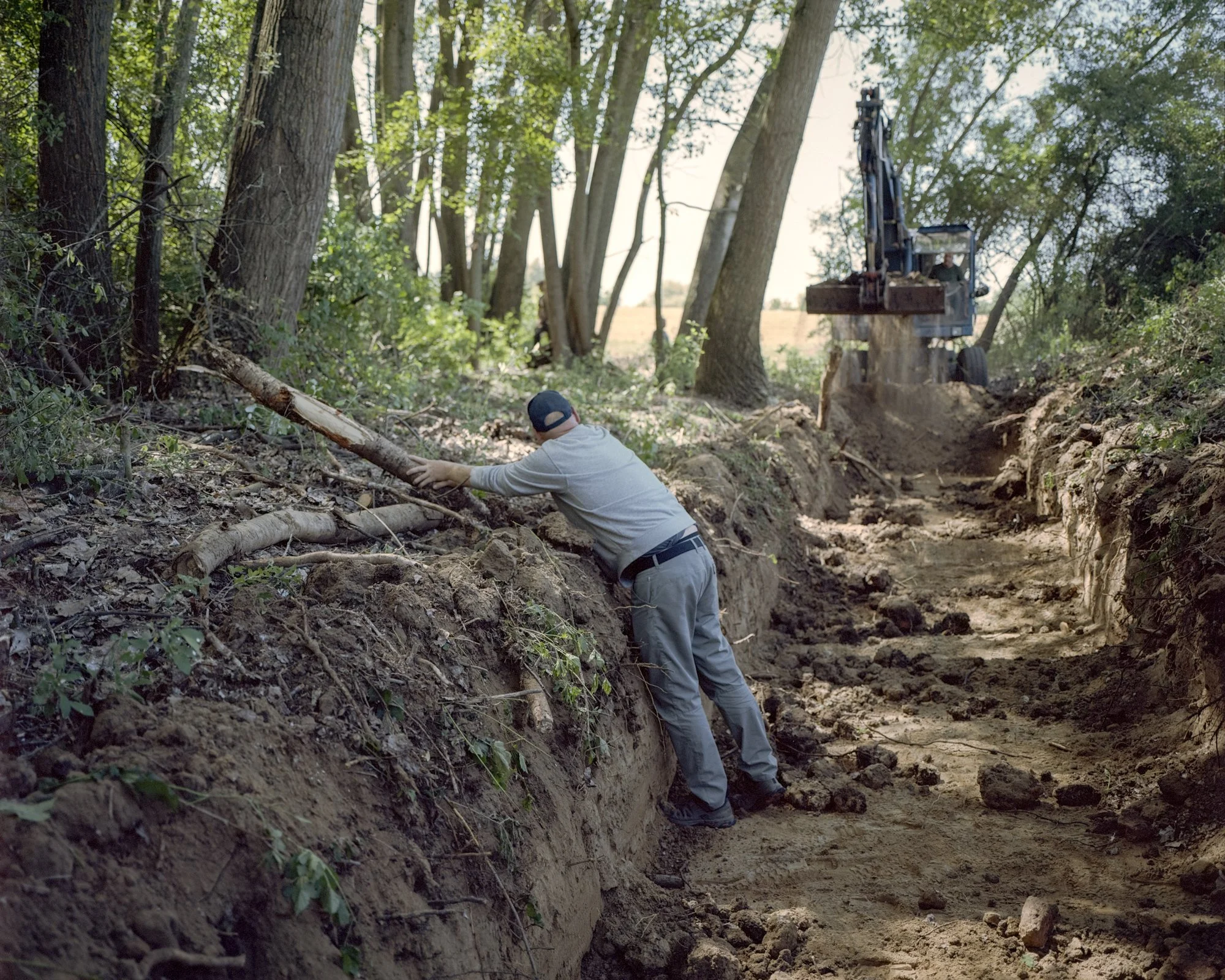
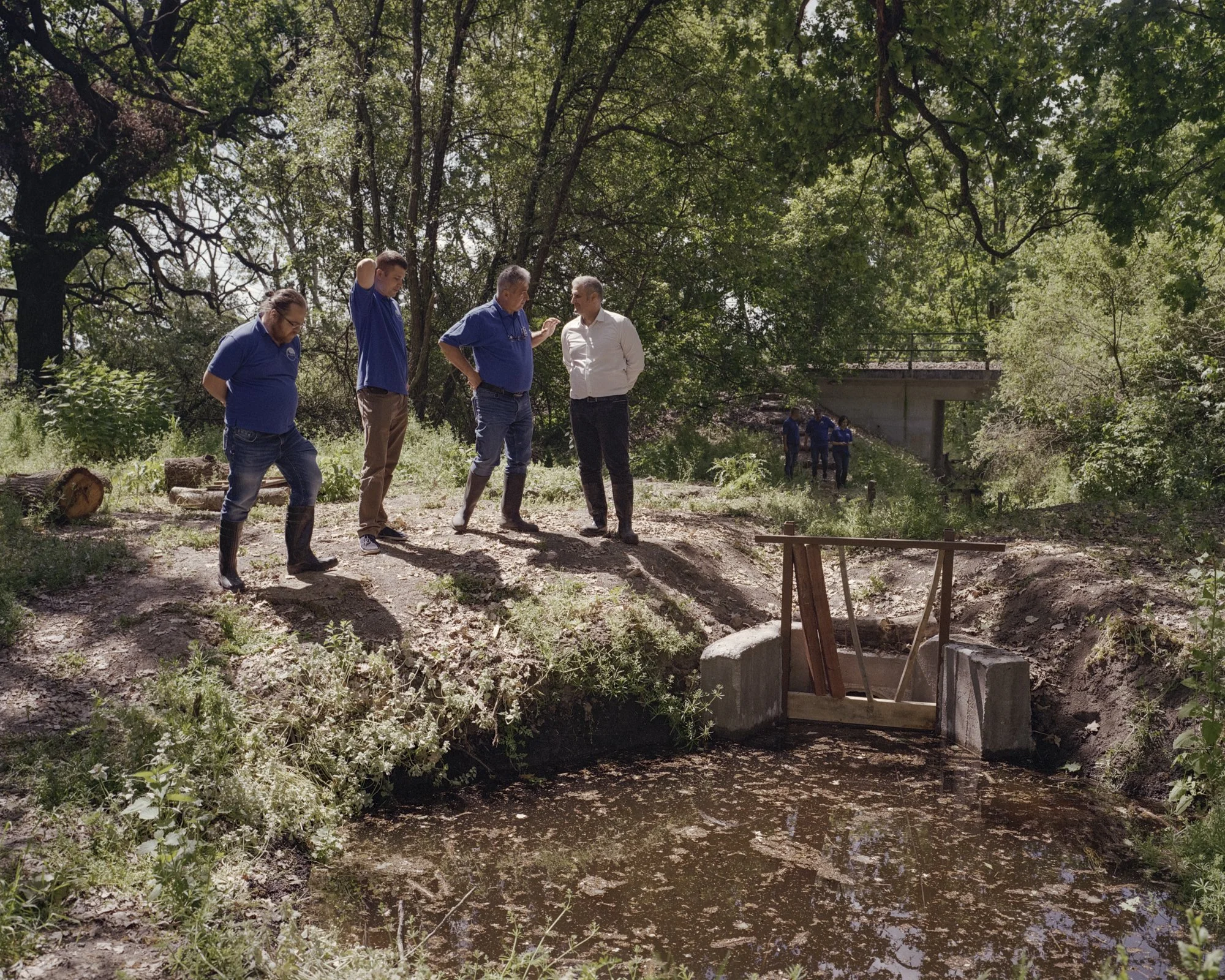
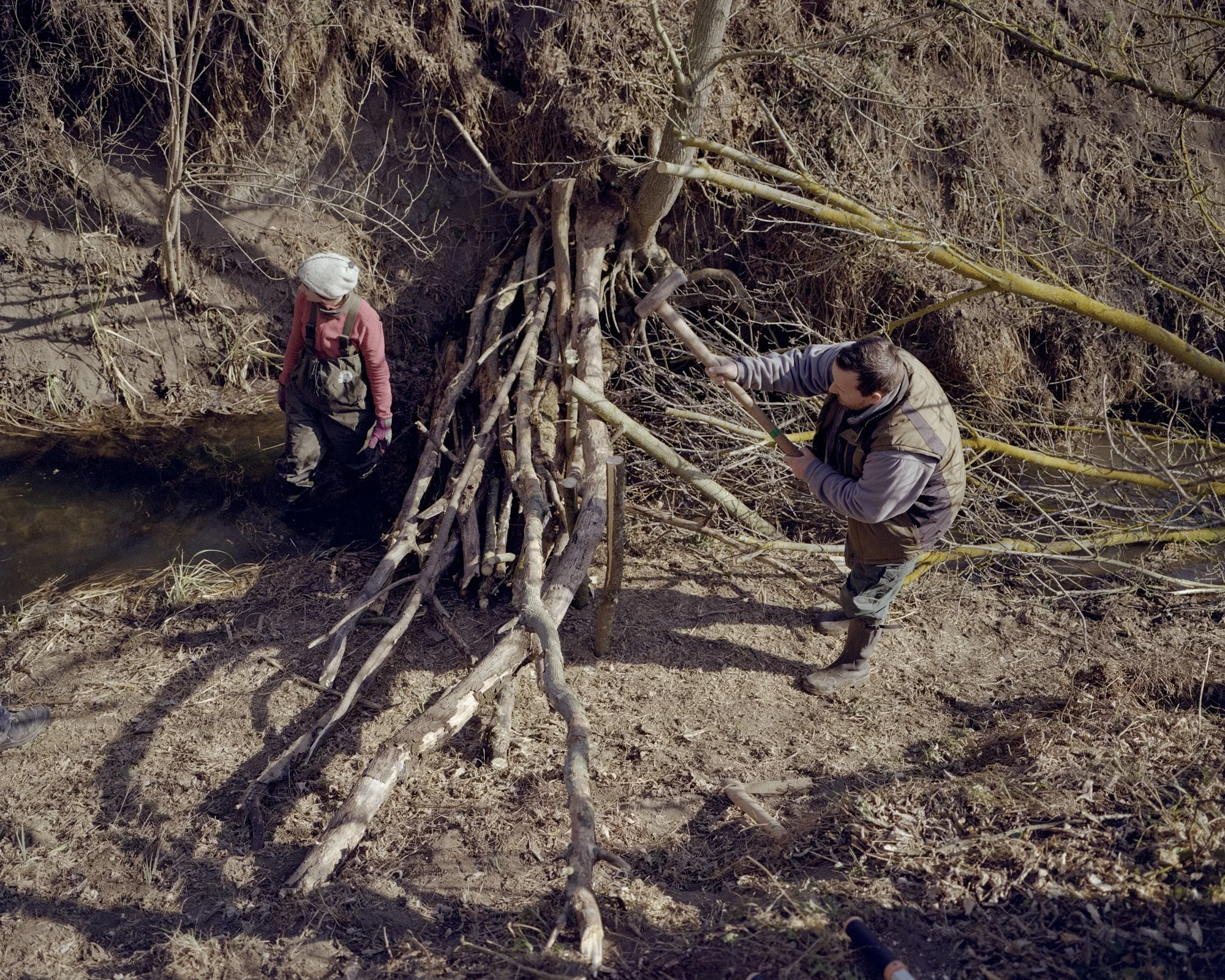
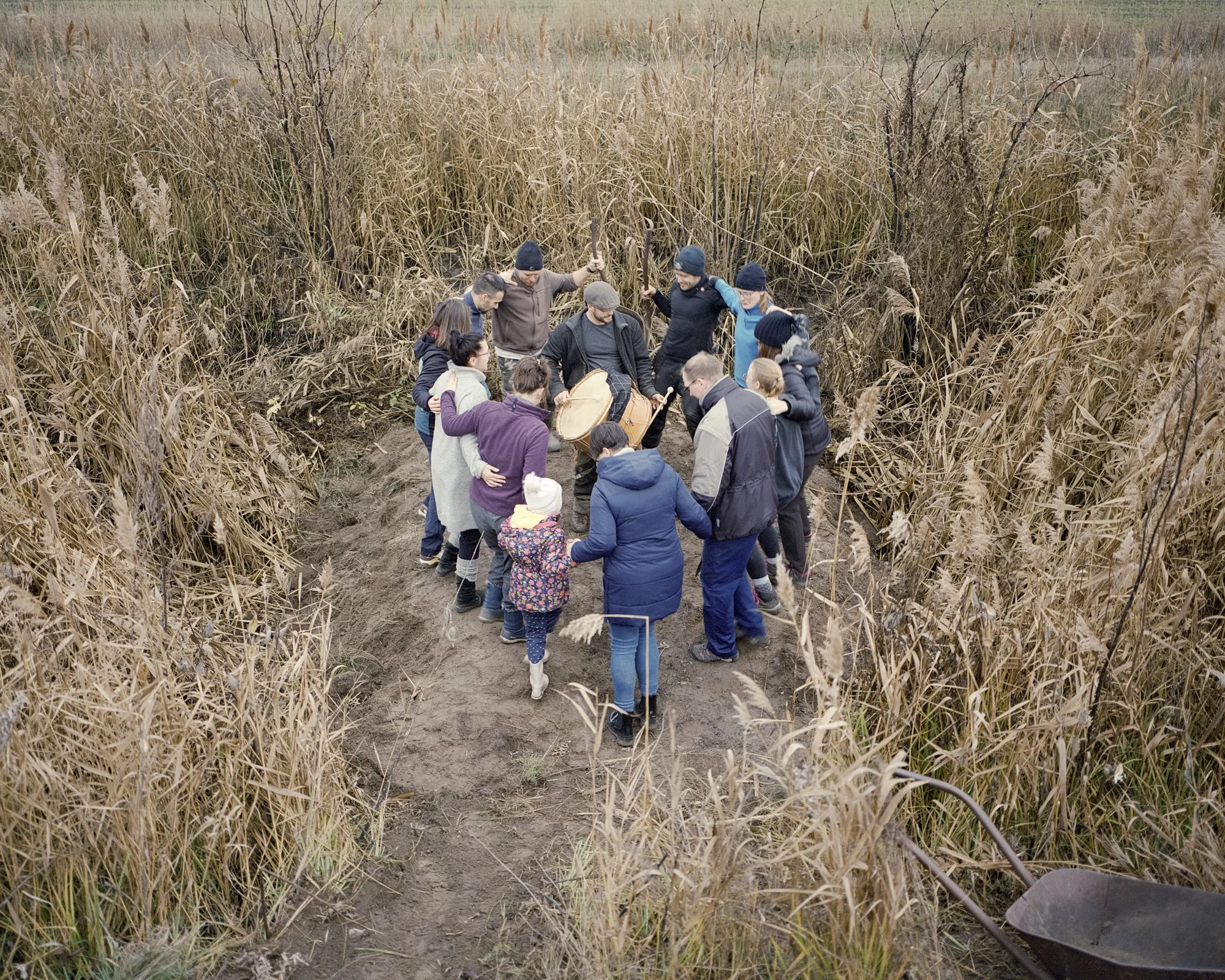
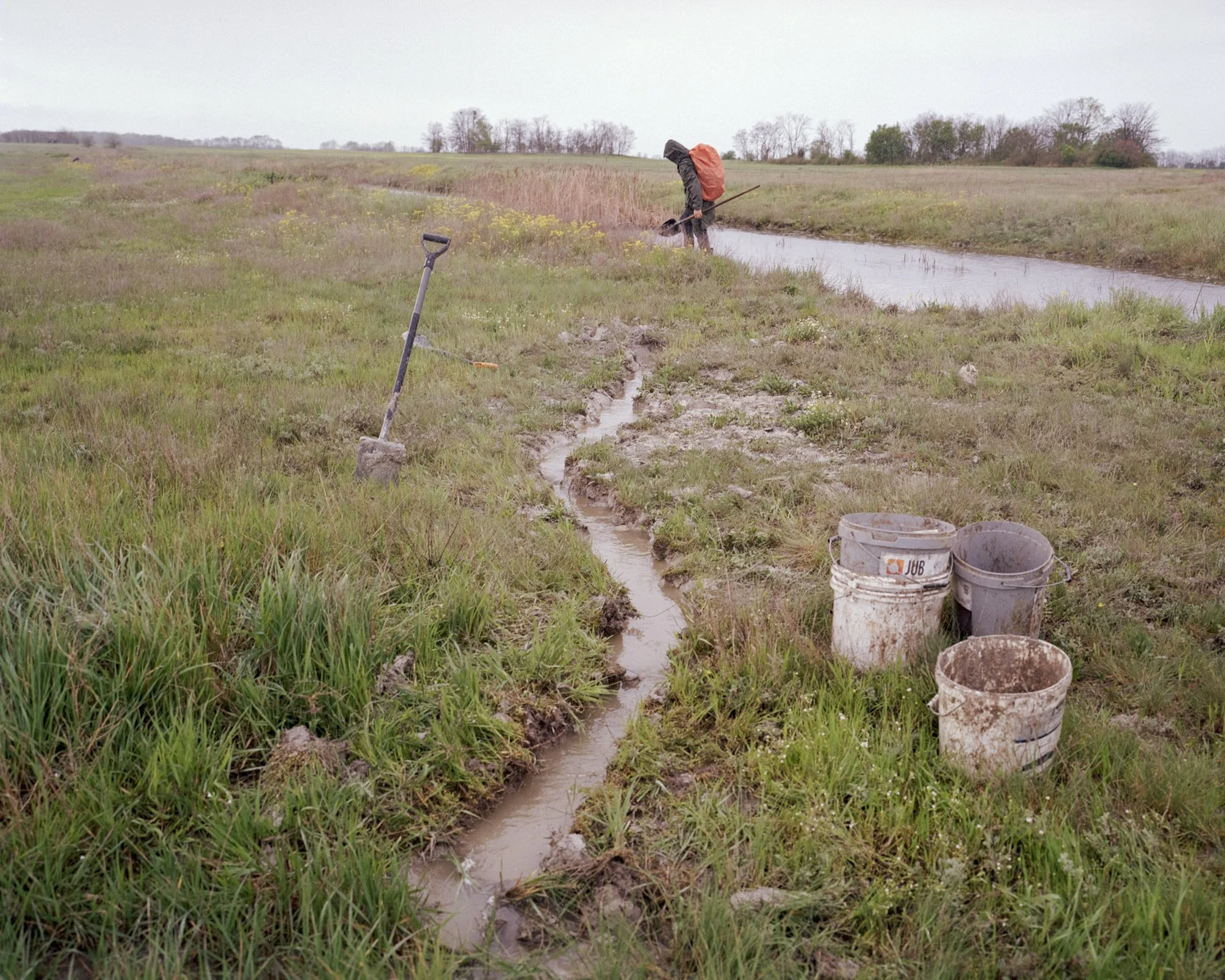
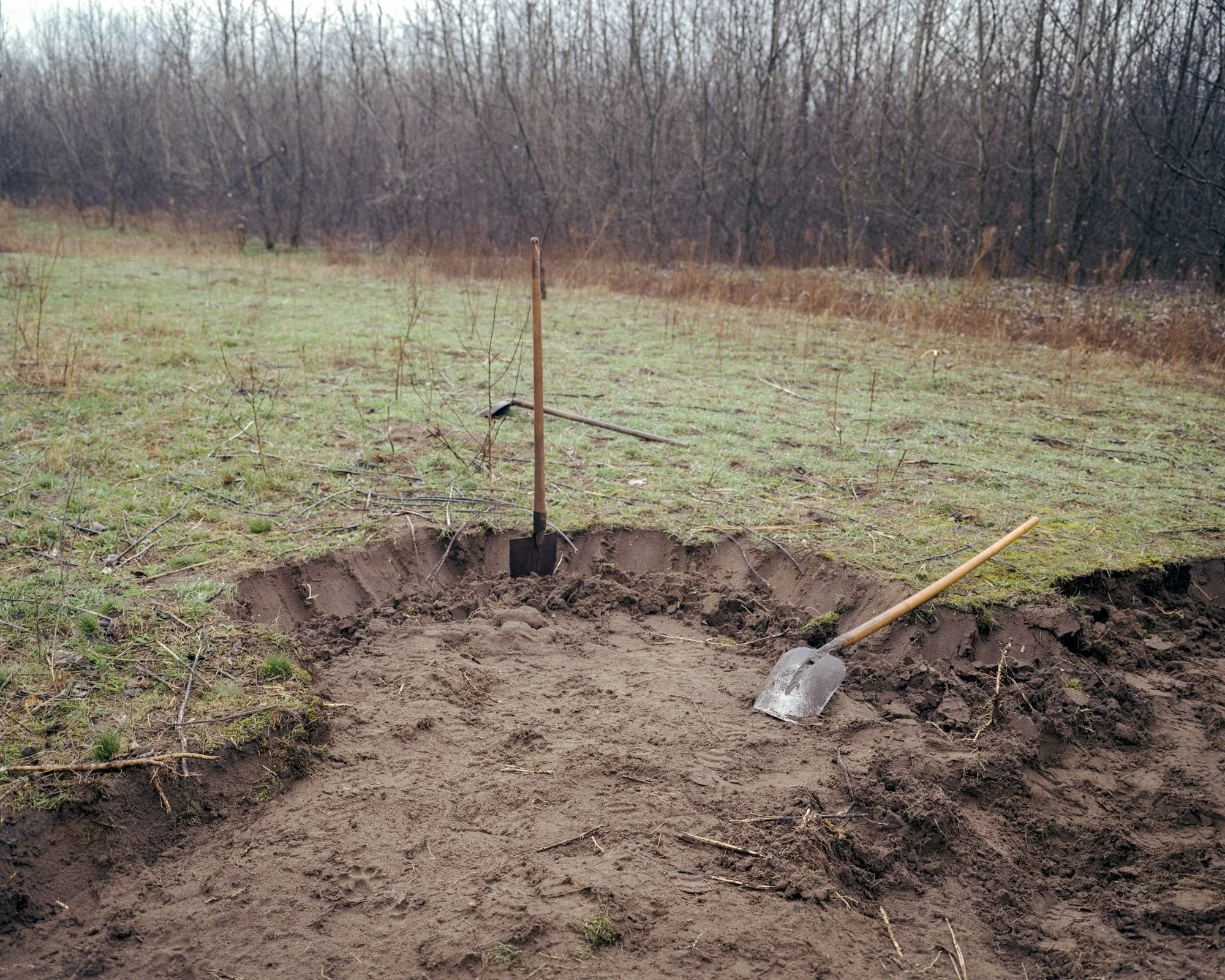
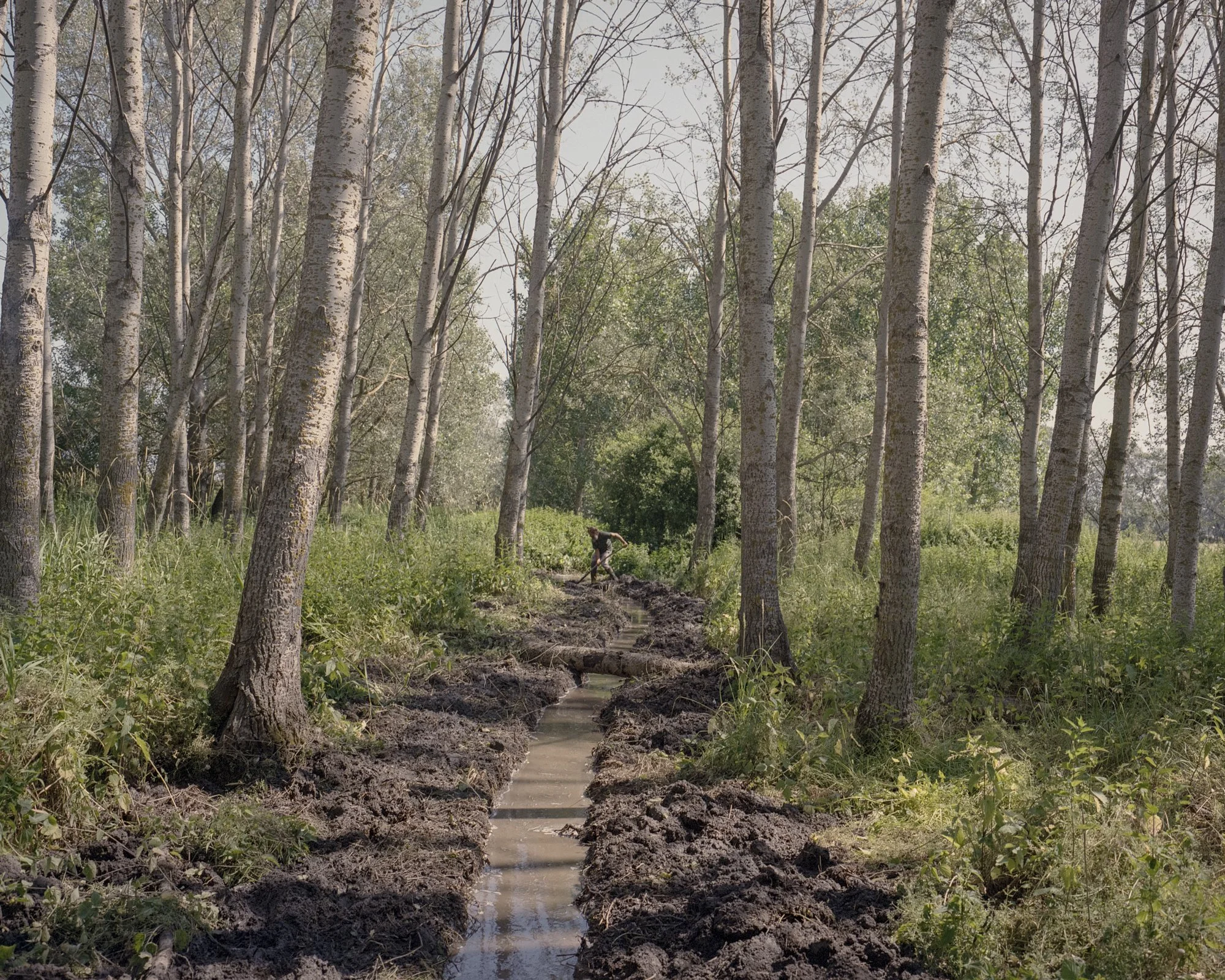
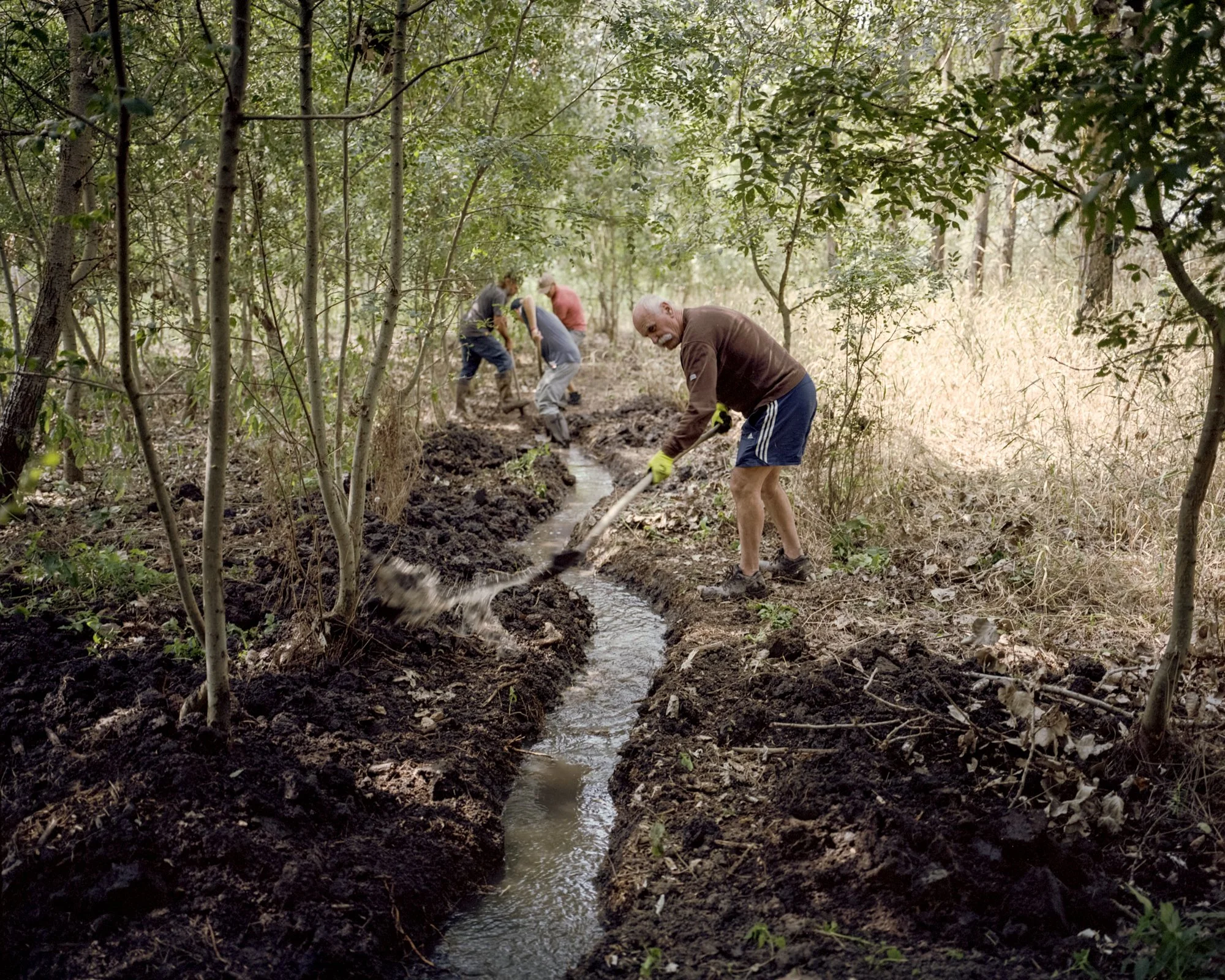
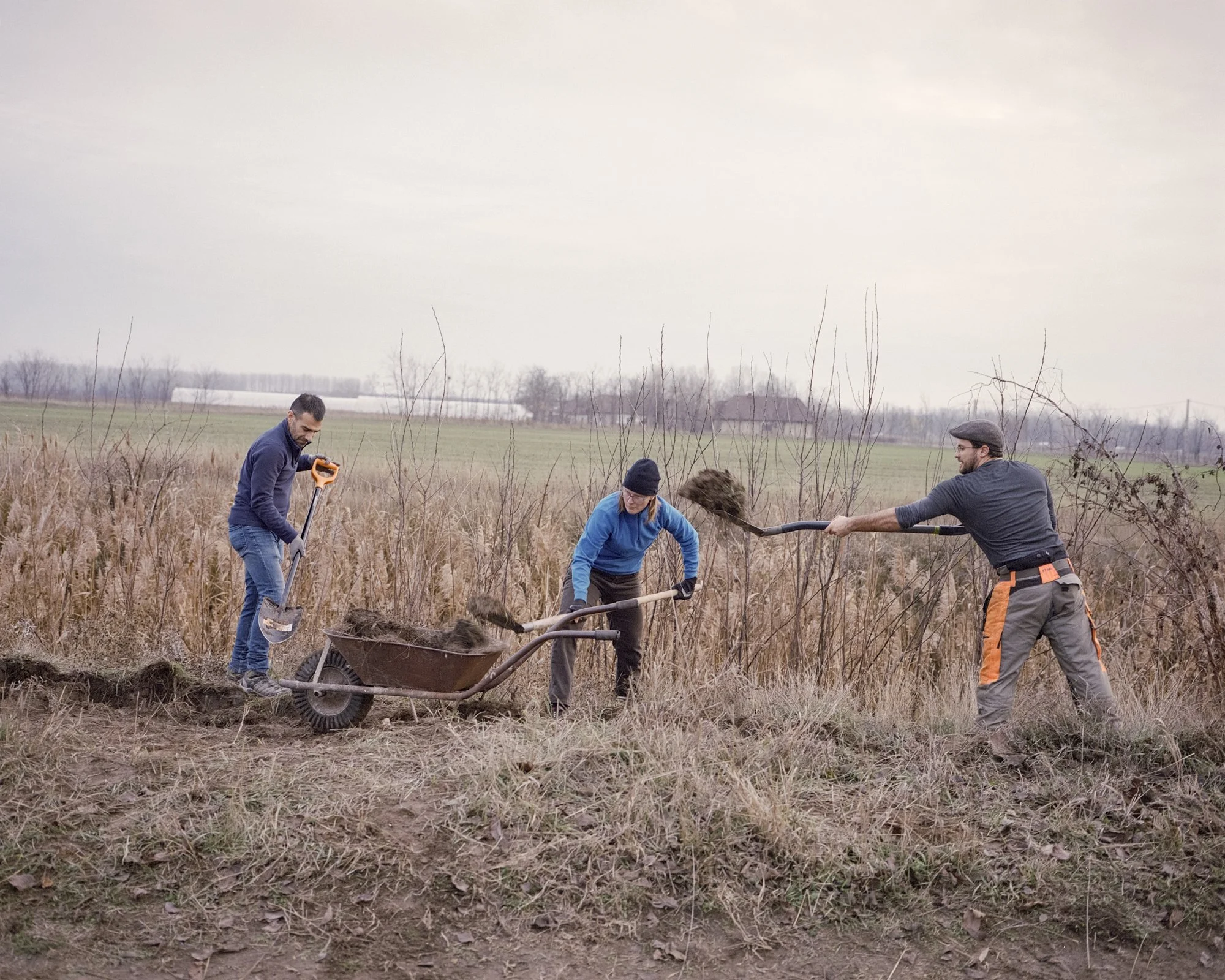
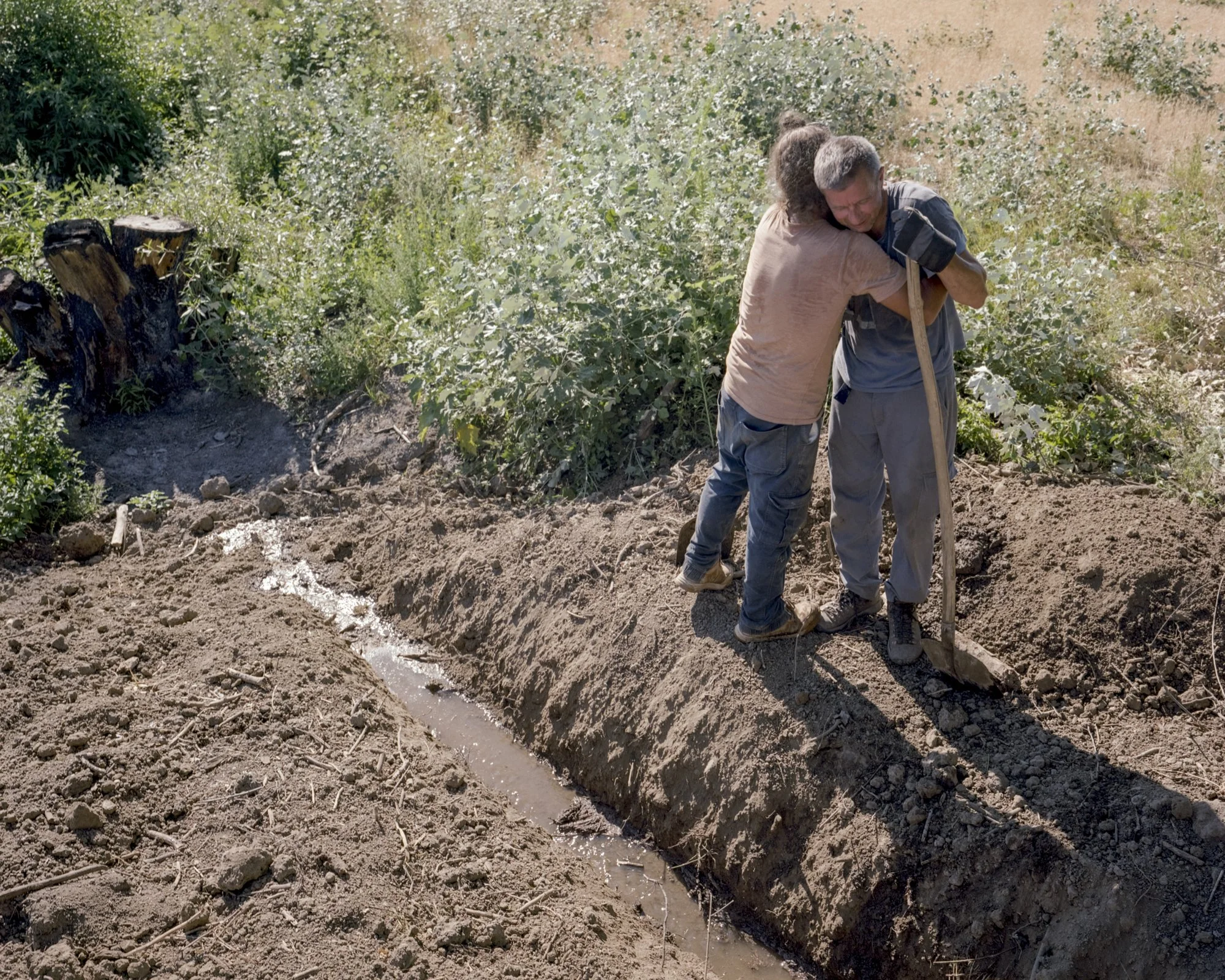
With support from the 2024 József Pécsi Photography Grant, and later as a National Geographic Explorer grantee, Zoltai continued to develop the series, connecting new places, communities, experts, and civil society initiatives to the story. Meanwhile, its focus has gradually shifted. Alongside documenting drought, excessive water use, river regulation, and the consequences of water scarcity, the series now pays closer attention to the people and communities who are not merely on the receiving end of environmental change but can actively shape the landscape’s future. Local initiatives, shared knowledge, and interventions aimed at retaining water locally point to the possibility of a different relationship between people and water: one in which the future of the landscape is shaped not only by decisions made beyond the local community, but also by the attention, cooperation, and action of those who live there.
The historic drought of summer 2026, the extremely low water levels in rivers and lakes, and the growing public, professional, and political attention around Hungary’s water management problems lend the series particular significance. Yet the images in Blue Memoir are not illustrations of current events. They are imprints of a longer transformation, in which environmental change becomes a personal experience, a social question and, at the same time, a realisation that calls for action.
ISSUE II gives space to this shift in perspective: alongside images that record loss, it presents possibilities for hope, restoration, and active efforts to bring about change. Nonetheless, the project offers no simple answers, nor does it regard the initiatives it shows as definitive solutions. Instead, it asks whether we recognised our responsibility for the landscape we have inherited in time, and whether we can use the opportunities still open to us. Through photography, Blue Memoir makes visible not only the transforming landscape and the changing presence of water, but also the human efforts that carry the possibility of a different future, making them part of our shared memory.
Mónika Zsikla, art historian